

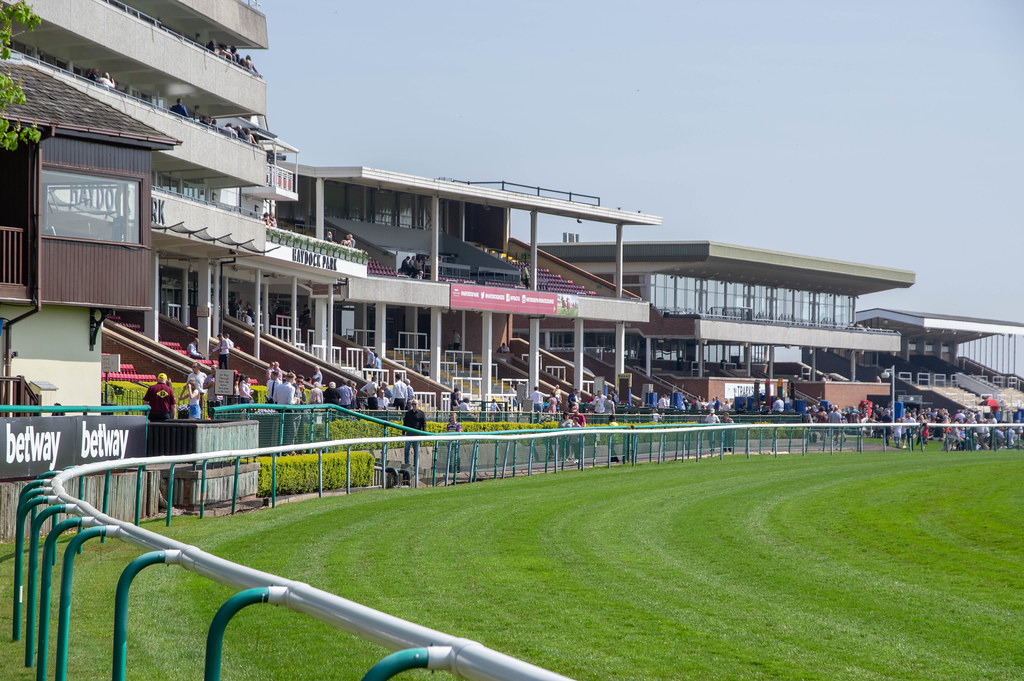

Haydock, Ascot and Betfair Chase Weekend Preview
In-depth betting guide, form notes and key angles
All content below is editorial and for readers aged 18+ only; please gamble responsibly and within your means. You can explore bookmaker comparisons through our tools if you choose to bet, and remember no tip is a guaranteed result.
Haydock bets: reading the handicap and weights
Handicap races like the Betfair Stayers’ Handicap Hurdle reward careful weight analysis and consistency in form. Look for horses that have improved their finishing positions on recent starts and show little sign of a decline in performance.
Interpreting recent runs and finishing positions
Recent placings tell you more than a raw win figure; a progressive profile over the season is a positive indicator. Compare the pace and trip on those runs with the race conditions to see if the form is truly transferable.
Assessing ground changes and weather impact
Haydock often rides softer after rain, which can favour proven mudlarks or horses dropping back in class. When conditions change from good to soft, prioritise runners with a clear history on similar ground.
Using speed maps and race shape to inform stakes
Map likely leaders and look for horses that will be suited by a steadily-run staying contest rather than a sprint finish. Horses that can settle and finish strongly typically hold an edge in long handicaps.
Betfair Chase tactics: trends, stamina and ground
Grade One chases require stamina, jumping fluency and often a proven ability to handle heavy ground at the top level. Trends in the Betfair Chase favour previous winners and proven stayers stepping up in trip.
Identifying stamina tests in the Betfair Chase
Check how horses have fared over three miles or further against high-class opposition, especially on testing ground. A recent victory over an extended trip on soft ground is a strong pointer to stamina reserves.
Evaluating horses stepping up versus proven stayers
Second-season chasers can thrive but they are often exposed by more experienced stayers in this company. Prioritise horses that have shown adaptability when moving up in trip or who have already beaten quality horses over similar distances.
Ascot long-distance chases: form and stamina tests
Ascot’s marathon events suit reliable stayers who can handle a stiff finish and varying early pace scenarios. Look for horses with a solid record at three miles plus and trainers who target these races early in the campaign.
Trainer timing and race placement for long targets
Some trainers aim a horse specifically at early-season staying chases and bring them to peak for those targets. Note any long-term placement patterns from yards which consistently produce stayers in the autumn and winter programme.
How to spot value: odds, each-way and market moves
Value comes from combining form insight with market intelligence; monitor early prices and moves on race day for clues on confidence. Each-way propositions are often sensible in big handicap or listed staying contests where the field is deep.
Reading market moves and pre-race confidence
Significant shortening without obvious news can indicate inside knowledge or heavy support, but confirm this with form and trainer/jockey indicators. Late money for a horse with consistent form is worth respecting, while sudden moves for lightly raced types should be treated cautiously.
Jockey and trainer notes: partnerships to follow
Strong jockey-trainer partnerships can be decisive, especially in technical tests where timing and experience matter. Follow yards in form and riders who have a recent hot streak with staying types or hurdlers.
For example, established combinations who regularly target the Cheltenham Festival or large staying handicaps often time their autumn targets well. When a stable brings a horse back quickly after a good run, check whether the step up or down in class suits the profile rather than assuming fatigue.
Practical staking and bankroll guidance for this card
Adopt a flat-staking approach or a small percentage staking plan to manage risk across a busy card rather than increasing stakes on impulse. Avoid treating tipping content as a guaranteed income stream and never chase losses.
Consider each-way coverage in races with large fields and multiple legitimate chances, and reduce stakes where ground or late changes add uncertainty. Keep a simple record of bets and outcomes to review patterns and refine selections over time.
Key ride and run patterns to watch on race day
Note pace scenarios: a slow early gallop can favour hold-up horses with a strong late kick, while a fast pace brings front-runners into play. Assess whether a horse likes to come from the back or prefers a prominent berth and match that to likely race shape.
Also watch declared rider changes and whether a jockey has won on the horse before; familiarity with the mount can improve finishing accuracy in tight finishes. Course experience is particularly valuable at Ascot where the ground and turning can unsettle inexperienced stayers.
How to use form book notes alongside in-running factors
Pre-race form gives a baseline but in-running adaptability is crucial for staying contests where conditions and pace shift quickly. Horses that handle slow early sections and can pick up when asked often outperform their static ratings.
When assessors mark a horse up for a recent win, check whether the weight increase still leaves the animal competitive in that class and consider in-running markets for horses who tend to travel strongly late on.
Responsible gambling and useful tools for bettors
Only bet if you are 18 or over and set deposit, stake and time limits that prevent harm. Use bookmaker tools, breaks, and self-exclusion options if gambling becomes a concern.
You can explore bookmaker comparisons on BestOfBets to see current offers and to check terms and conditions before placing a bet. Remember that affiliate links may be present; any decision to use an offer should be considered carefully and not seen as a route to financial gain.
Some practical checks before placing a wager: review last-run comments, confirm declared jockeys, check the ground forecast, and compare early prices across firms. These small steps reduce surprise outcomes and help make informed choices.
If you feel gambling is becoming a problem, organisations such as GamCare provide free confidential support and advice in the UK.
You can explore current bookmaker offers through our comparison tools if you choose to bet responsibly. Some links on this site are affiliate links and help fund our editorial coverage without affecting our independence.
Please note: betting should never be viewed as a way to solve financial problems, boost status or gain confidence; gamble only for entertainment and within affordable limits.
When reading the race previews above alongside the original tips, weigh up whether a selection matches your own assessment of form and value before placing any bet.
For further reading on the racecard, combine our notes with the official going report and last-minute declarations to refine selections on the day.
See our free bets page for recommended bookmaker offers to compare sign-up deals for new customers responsibly. Visit our casino bonus page to view current welcome offers from our affiliated casino partners for adults only.
Frequently asked questions about betting these races
How should I size stakes for these weekend races?
Decide a staking unit based on a small percentage of your overall bankroll and use flat stakes for clarity. Adjust only if you maintain a consistent long-term record and avoid chasing losses.
Where can I compare free-bet offers for new customers?
You can compare current welcome offers on our free-bets page to check terms, eligibility and minimum odds before claiming any deal. Always read wagering requirements and expiry dates carefully.
What form factors matter most in staying handicaps?
Consistency, recent finishing positions over similar trips, and proven ability on the prevailing ground are key. Also weigh in trainer form, rider choice and any penalty or weight concessions.
Are betting tips guaranteed to win or make profit?
No tip can be guaranteed; tips are opinions based on form and trends and should not be treated as a source of guaranteed income. Bet only within limits you can afford to lose.
How do weather and ground changes influence chances?
Ground shifts can dramatically alter a horse’s chance, with some improving on softer turf and others needing firm ground. Check each horse’s recent form on similar going before placing a bet.
Who to follow among jockeys and trainers this weekend?
Prioritise in-form trainers who target staying races and jockeys with recent wins on similar horses or at the course. Note stable patterns for preparing stayers and punting preferences on the day.