


Could Red Bull Complete A Perfect F1 Season Sweep?
Red Bull Racing’s run through the 2023 season has prompted a rare conversation about whether a single team can realistically win every remaining race, and what that would mean for sporting history and betting markets. This expanded analysis considers performance, external risks and how punters can approach markets while staying responsible and aware that betting is for adults aged 18+ only.
Assessing Red Bull’s Chances For Remaining Races
The RB19’s consistent pace and Max Verstappen’s driving form have combined to make Red Bull overwhelming favourites at many circuits, yet motorsport remains inherently uncertain due to reliability, strategy and weather variables that can overturn expectations in a single weekend. Any betting-related commentary here is informational and not financial advice; if you choose to bet, please do so responsibly and remember gambling is only for those aged 18 and over.
For readers who follow football and horse racing markets, the same principles of value, market timing and risk management apply in F1 markets, though the technical and environmental variables differ; understanding patterns across sports can sharpen judgment but cannot eliminate unpredictability. You can explore bookmaker comparisons to see how different firms price long-term and race-by-race markets, and treat such information as one input among many.
How Red Bull’s Technical Edge Translates On Track
The RB19’s aerodynamic balance and power unit integration have delivered often decisive race pace, with strong tyre management and benchmark data from practice sessions regularly translating into large race-day margins, and this technical advantage has been clear across a range of circuit types. Punters who study technical strengths alongside lap time sectors, tyre degradation patterns and qualifying simulations will gain a fuller picture of where Red Bull are likely to be strongest and where rivals might find openings.
Driver Form, Strategy And Race Execution Factors
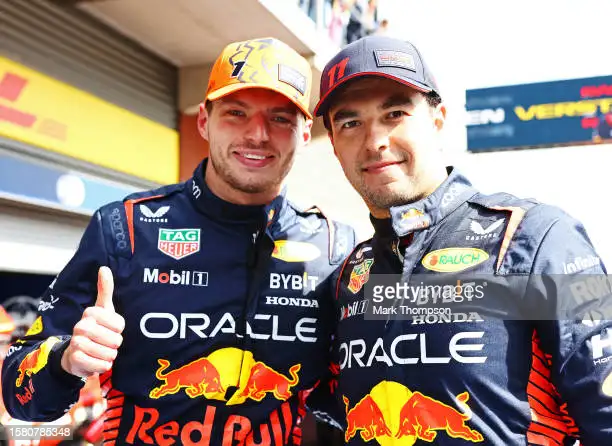
Max Verstappen’s rhythm and Sergio Pérez’s moments of strong pace combine to make team execution a crucial advantage, and Red Bull’s strategic calls have been controlled and largely error-free across many race weekends. However, a single driver error, a misjudged pit window or an unusual safety-car deployment can change a result, so markets that price in execution risk tend to show fluctuation around race starts and during live events.
Reliability Risks Over A Long And Demanding Season
A long calendar increases cumulative wear on powertrains and gearboxes, so the mechanical reliability that has underpinned Red Bull’s run remains a latent threat to a perfect sweep; teams may face penalties for component changes and mechanical failures remain a non-zero probability. From a betting perspective, that introduces a form of tail risk to long-term wagers, where bookmakers and traders price in the chance of an unexpected retirement or penalty affecting championship outcomes.
How Circuits And Weather Could Level The Field
Circuit characteristics such as low-speed corners, tight street layouts and abrasive surfaces can reduce a single-car advantage, while rain or mixed conditions can magnify strategic uncertainty and reward opportunistic driving; Monaco and Las Vegas show how atypical tracks can produce different competitive dynamics. Live markets and in-play pricing often shift substantially when weather forecasts change, so cautious punters monitor meteorological updates and team wet-weather records before committing stakes.
Bookmaker Markets And Odds When Predicting Winners
Bookmakers set odds to reflect probability and balance liability, meaning the market often highlights perceived value and where the bookies expect money to flow; long-term “season sweep” markets will include vig and are shaped by both statistical likelihood and betting volumes. Comparing odds across bookmakers can reveal where firms disagree on risk and where promotional pricing changes available value, but always treat comparisons as a tool for information rather than a promise of returns.
Lessons For Punters From Other Sports Markets
Football and horse racing markets teach disciplined staking, value hunting and the importance of form cycles, all of which translate to F1 betting where recent performance and technical upgrades are analogous to team form and trainer information in other sports. Applying the same risk management principles—setting limits, using unit stakes and avoiding chasing losses—helps maintain sensible engagement across motorsport and other betting markets.
Assessing value versus chasing headline results
Chasing headline outcomes—such as backing every remaining race for one winner—often erodes value because the market quickly shortens odds as probability appears obvious, whereas selectively targeting individual races with demonstrable advantage can preserve value. Always consider implied probability and whether a price compensates for the full set of risks, and never stake more than you can comfortably afford to lose.
How in-play markets respond to changing conditions
In-play F1 markets can swing sharply with a safety car, crash or sudden weather shift, and experienced punters use these movements to reassess probabilities and potentially find fresh value in shorter windows. If you participate, keep stakes proportionate and use in-play information as a dynamic input rather than a certainty; responsible gambling principles apply as strongly to live betting as to pre-race bets.
Comparing F1 betting patterns with horse racing trends
Like horse racing, F1 punting rewards attention to form lines, historical circuit performance and adjustments made close to the event, but unlike a racehorse there are technical upgrades and team decisions that can alter competitiveness week to week. When making decisions, treat F1 as its own market with some transferable insights from horse racing trading, such as the value of industry knowledge and the pitfalls of overreaction to a single result.
Risk management and staking plans for cautious punters
Simple staking plans—flat stakes, percentage of bankroll or graded stakes—help control exposure over a season and reduce the likelihood of emotionally driven decisions after a surprise result or a long sequence of losses. Set clear limits on weekly and monthly spend, use bookmaker comparison tools to understand where prices differ, and remember that betting should be recreational, not a source of income or financial remedy.
Historic Attempts And The Reality Of A Perfect Season Sweep
No modern top-level motorsport season has been completed with a literal clean sweep at every round, and historical examples of dominance typically include occasional losses due to external factors; that history frames bookmaker scepticism around markets that imply inevitability. For those analysing long-term markets, the historical precedent emphasises that even dominant teams are vulnerable to one-off events, mechanical failures or strategic misfortune.
Strategic Approaches For Long-Term And Race Bets
Long-term markets such as a “team to win every race” are inherently speculative and can be treated as novelty or speculative wagers, while race-by-race approaches allow more nuanced analysis of track-specific factors and recent updates. A balanced approach for those interested in both is to allocate a small portion of a bankroll to long-term speculative bets and keep the majority for strategy-driven, race-specific opportunities where information can be more predictive.
Monitoring Upgrades And Development Cycles Through The Season
Teams alter development focus as seasons progress, sometimes sacrificing present-day performance to gain an advantage next year, and rivals can exploit those shifts to score late-season wins if the leaders plateau on development. Keeping abreast of team news, upgrade schedules and reported resource allocation gives context to market moves and explains why some late-season results defy earlier patterns.
How Media Narratives Influence Public Betting Sentiment
High-profile headlines about dominance or the possibility of a perfect season can drive casual money into obvious markets, shortening prices and reducing value for those who follow the story without deeper analysis. Professional punters often wait for markets to absorb media-driven money before evaluating whether the odds still represent worthwhile opportunities relative to their own independent assessment.
We remain committed to responsible coverage and remind readers that betting is for people aged 18 and over only and must be approached with caution and limits. If you want to compare current bookmaker offers and free bet promotions responsibly, you can review our top recommended firms for new customers on our free bets page: https://bestofbets.com/free-bets.
For readers interested in casino bonuses and related offers from our affiliated partners, details of casino welcome offers for new customers are available here: https://bestofbets.com/casino-bonus.
Can Red Bull realistically win every remaining Grand Prix?
Realistically it is extremely difficult due to the many uncontrollable variables in motorsport such as reliability, strategy, weather and rare on-track incidents. Any discussion of outcomes is informational only and not a guarantee or financial advice; gambling is for adults aged 18+ and should be undertaken responsibly.
What are the biggest non-performance threats to a perfect season?
Mechanical failures, penalties for component changes, unpredictable weather and human error are the chief non-performance threats that can end a winning streak. Punters should consider these risks when assessing odds and never stake more than they can afford to lose.
Should punters back a season sweep market outright?
Backing an outright season sweep is a highly speculative play and may be best treated as a small, entertainment-focused stake rather than a core investment. For more structured decision-making, compare bookmaker pricing and consider splitting bankrolls between long-term and race-by-race strategies.
How do in-play market moves reflect race-day chances?
In-play moves react quickly to safety cars, crashes and changing weather, often offering fresh opportunities but increased volatility and risk. If you take part in live markets, use measured stakes and keep to a predetermined staking plan to manage exposure.
Can lessons from football or horse racing help in F1 betting?
Yes—principles like value identification, disciplined staking and attention to form carry across sports, though technical and environmental factors are more prominent in F1. Apply cross-sport lessons prudently and avoid treating any strategy as infallible.
Where can I compare bookmaker odds and offers safely?
You can use bookmaker comparison tools to review pricing, promotions and free bets for new customers, and always read terms and conditions before participating. Remember to stay within your limits, gamble only if you are 18 or over, and seek help if gambling stops being fun.
What responsible gambling steps should I follow as an F1 punter?
Set deposit and loss limits, use self-exclusion tools if needed, stick to a staking plan and avoid chasing losses after an upset result. If you feel your gambling may be becoming risky, seek advice from recognised support services and use site-based safer gambling tools.
How often do bookmakers adjust long-term F1 markets?
Bookmakers adjust long-term markets when material events occur such as upgrades, injuries, penalties or unexpected results, and they also move prices as liability shifts with customer betting. Use comparative odds and market timing to inform decisions, and remember that past performance is not a promise of future results.