

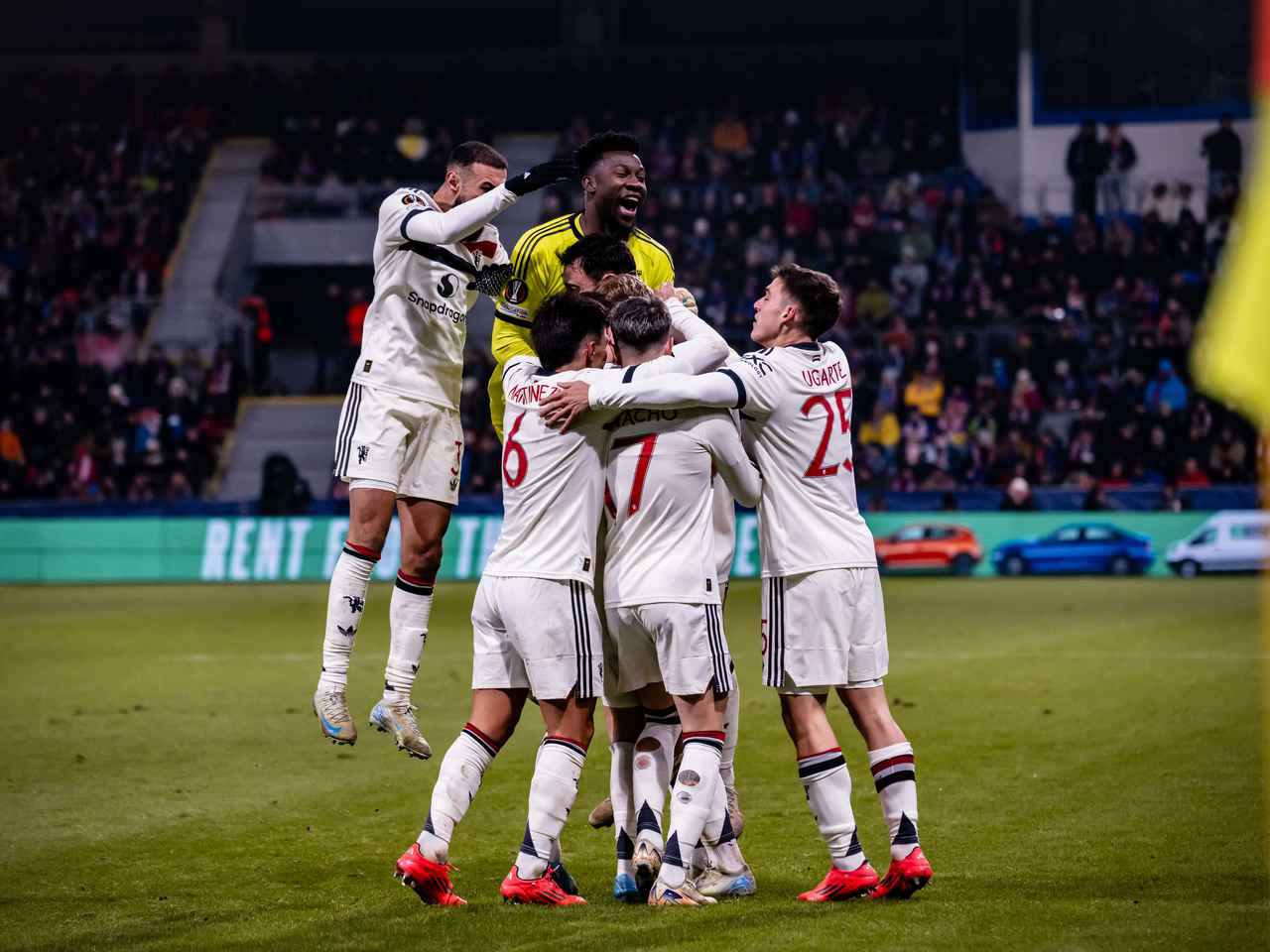
Man United v Rangers: Europa League tactical preview
Form, statistics and expected goals breakdown
This preview expands on the existing match notes with deeper statistical context and betting-relevant trends to help you judge likely outcomes and markets.
All data referenced below complements the summary already on the page and aims to inform readers rather than encourage betting behaviour.
Manchester United defensive issues and xGA trends
United’s elevated xGA numbers in recent fixtures highlight clear defensive vulnerability that opponents can exploit in transitions and set plays.
Conceding in 12 straight matches and the heavy xGA spikes suggest Old Trafford has been porous, which affects markets such as both teams to score and total goals.
Rangers away threat and attacking metrics explained
Rangers’ away numbers in the competition show they can create chances efficiently, with several matches showing healthy xG returns per 90 minutes.
The Scottish side have combined disciplined counter transitions with set-piece threat, making them a credible scoring threat at Old Trafford.
Key player form: Rasmus Hojlund and Rangers forwards
Hojlund’s Europa League scoring form gives United an obvious focal point in attack and a player likely to influence both shot volume and conversion chances.
Rangers’ forward options have been effective on the road and will test United’s backline with runs behind and quick interchanges in the final third.
Tactical matchups and likely formations previewed
Expect a United side that will try to control possession and press higher, but recent defensive lapses could force them into reactive moments against Rangers counters.
Rangers are likely to set up compactly and look to exploit space in behind with quick transitions and targeted long switches to their wide attackers.
Set-piece risk and penalty area tendencies
Both teams have shown susceptibility and potency from set-pieces, so corners and free-kick markets deserve attention in pre-match and in-play contexts.
Home advantage at Old Trafford and historical context
Old Trafford has been a difficult place for many visitors historically, but current form and Manchester United’s defensive record reduce the typical home edge.
When assessing markets, factor in both venue history and present-season defensive metrics rather than relying on stadium reputation alone.
Head-to-head trends and previous Europa League meetings
Direct encounters can inform psychology and matchup tendencies, but each tie is also shaped by current squad availability and competition incentives.
Use head-to-heads alongside recent form and xG figures to identify where perceived bookmaker prices may offer value.
Probable scorelines and realistic outcome ranges
Given both clubs’ attacking threats and defensive records, realistic scorelines include 1-1, 2-1 to either side, or a 2-2 if the match opens up.
Markets such as both teams to score, total goals over 2.5, and correct score ranges can be modelled from recent xG averages and conversion rates.
Statistical edges: shots, chances and conversion rates
Compare shots on target, big chances and recent conversion rates to estimate likely finishing quality rather than predicting goals solely from xG levels.
Small differences in conversion can swing value between markets, so look for bookmakers mispricing finishing form relative to chance creation.
In-play strategies and markets to monitor during match
In-play, monitor which team is creating high-quality chances and whether either side shows fatigue or tactical adjustment after substitutions.
Markets such as next goal, both teams to score in second half, and live handicap lines can respond quickly to momentum shifts and are areas to watch for value.
How set-pieces and penalties could affect the scoreline
Set-pieces and penalty events can decisively change a game’s expected scoring, so tracking defenders’ aerial duel success and fouls in the box is useful before betting.
Bookmakers price in historical set-piece frequency, but live signals such as a team’s tendency to concede corners should influence in-play decisions.
Bench options and substitution impact on game
Bench quality will matter late in the game; look at which side has reliable attacking finishers or defensive stabilisers to influence late goals and match control.
Substitution timing and personnel can change pressing intensity or defensive shape, affecting markets like total goals and run lines after the 60-minute mark.
Rotation and squad fitness updates for both clubs
Pay attention to press conferences and official team news for last-minute rotation that can materially change the tactical battle and expected output.
How injuries and suspensions alter selection options
Absences to key centre-backs, defensive midfielders or creative attackers will shift match balance and are important for market selection, especially pre-match lines.
Where possible, incorporate up-to-date injury information into your view of probabilities rather than relying on season averages alone.
Match tempo, pressing and transition patterns expected
Tempo and pressing strategies will determine where the game is won or lost; a high press from United could create chances but also leave space in behind.
Rangers’ transitions will likely be decisive if United’s lines are high and gaps appear between defence and midfield.
How betting exchanges and hedging could be used sensibly
Betting exchanges allow partial position management and hedging, which some users employ to reduce downside on pre-match selections.
If you choose to use exchanges, do so with a clear plan and realistic expectations about liquidity and commission, and avoid overtrading.
Responsible staking plans and bankroll management advice
Only bet if you are 18 or over and able to do so responsibly; staking should be a small, predetermined percentage of a separate entertainment budget.
Never chase losses or rely on betting as a way to solve financial issues, and use bookmaker tools such as deposit limits and time-outs if you need them.
Betting markets to consider and value opportunities
Given both teams’ tendencies, both teams to score, total goals markets and goal interval markets could present reasonable value depending on bookmaker pricing.
Look for discrepancies between bookmakers in odds on Hojlund anytime scorer, second-half goals, and handicap lines where defensive issues are priced inconsistently.
Are there alternative bets to the main tip worth exploring?
Alternative options include first-half BTTS, over 1.5 second-half goals, and player-specific markets that focus on shot counts and expected involvement.
Consider low-stake exposure to several complementary markets rather than concentrating all your stake on a single outcome.
How bookmakers set odds for this fixture and market movements
Bookmakers combine team form, injuries, market demand and proprietary models to set prices, reacting quickly to public money and inside information.
Odds movement can indicate market sentiment, but line moves also reflect liquidity and risk management rather than guaranteed predictive accuracy.
Match tempo, pressing and transition patterns expected
Tempo-related indicators help identify moments when the match is likely to open up, making in-play markets more attractive at specific intervals.
Practical preview conclusion and measured recommendation
The existing page tip of both teams to score is supported by both clubs’ recent propensity to concede and their offensive form in the Europa League.
Any market interest should be approached cautiously, with sensible stakes and awareness that football outcomes are inherently uncertain.
FAQs: Manchester United v Rangers betting and analysis
Is both teams to score a sensible market here?
Yes, both teams to score is a reasonable market given United’s defensive record and Rangers’ away attacking form, but no bet is guaranteed.
What are the injury concerns ahead of the match?
Check official team sheets and pre-match updates for late injuries or fitness issues, as these can change tactical plans and market value.
How should I approach in-play betting on this tie?
Approach in-play markets with pre-defined rules and small stakes, watching how the first 20–30 minutes affect momentum and chance quality.
Does Old Trafford provide a decisive edge tonight?
Old Trafford normally helps the home side, but current defensive form reduces that edge; treat home advantage as one factor among several.
Are there any value alternatives to the main tip?
Consider first-half BTTS, second-half over goals, or player shot markets as alternatives that reflect the same underlying match dynamics.
How do bookmakers set odds for this fixture?
Odds are set using form, injuries, models and market demand; watch for line moves that reflect sharp money or late team news.
For readers comparing where to place bets, you can explore our updated bookmaker comparison and current free bets on our free bets page: https://www.bestofbets.com/free-bets.
If you are also interested in casino promotions, see our curated list of casino bonus offers for new customers here: https://www.bestofbets.com/casino-bonus.