

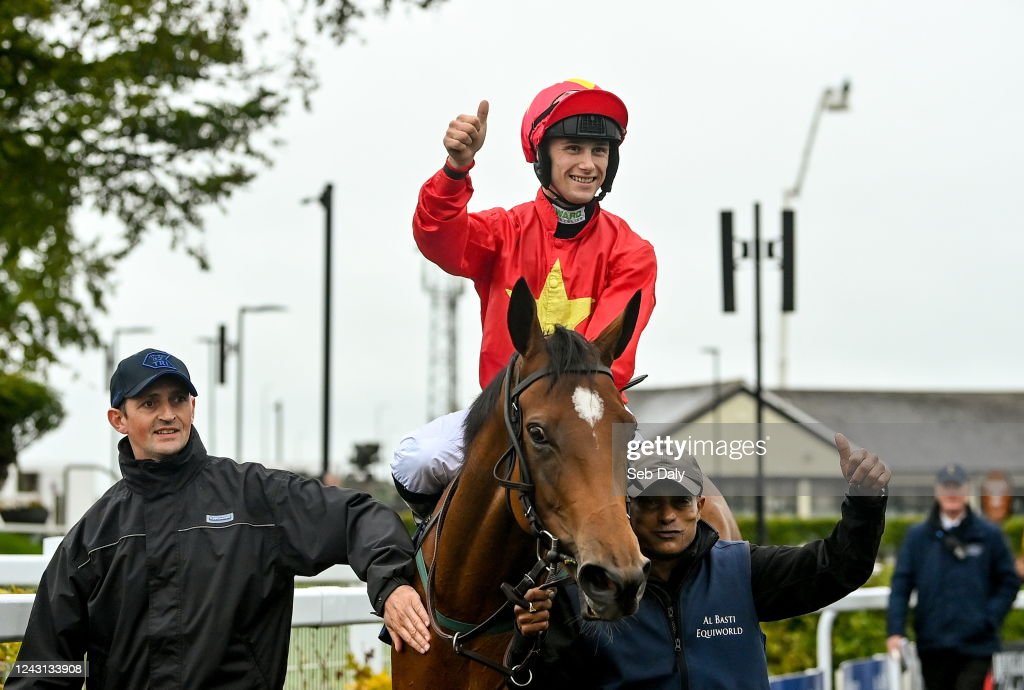

Nunthorpe Stakes Preview, Form and Betting Guide
This extended guide complements our page coverage of Highfield Princess, Bradsell, Big Evs, Khaadem and Fine Wine ahead of the Nunthorpe Stakes at York’s Ebor Festival. Please note that betting is for adults only; 18+ and you should gamble responsibly, seeking help if you have concerns.
Key runners, form lines and track conditions
This section pulls together form patterns, ground preferences and likely race scenarios to help readers interpret the market without implying any guaranteed outcome. The aim is to be informative and practical, avoiding emotive or financial pressure while giving clear angles for reading the race.
Highfield Princess: recent form and strengths
Highfield Princess arrives with a strong record over 5f and 6f and proven York form, which makes her a logical short-list contender when the ground and pace map suit her. Her turn of foot and experience over course and distance give her a clear chance when conditions are fair and a strong early pace sets up the race.
Bradsell and the Royal Ascot upset revisited
Bradsell’s Royal Ascot victory showed a horse who stays composed under pressure and can take advantage of a well-timed run, traits that can translate to York if the pace collapses in the straight. Bookmakers will factor that Royal Ascot form heavily, so consider how weight, ground and draw compare to that winning day before backing.
Big Evs’ rise and how he handles big-step tests
Big Evs has progressed rapidly from Royal Ascot to listed and then group success, but the step up to an old-established Group 1 among older rivals is significant, especially over 5f against seasoned sprinters. Assess his adaptability, door-to-door speed and whether he has the necessary gallop to sustain a finish when matched with hardened rivals.
Veterans Khaadem and Fine Wine: form and value
Khaadem brings raw speed and a history of performing well in big sprint sprints, while Fine Wine represents a longshot who has previously won over course and distance and may be overlooked by the market. With veterans you should weigh recent pattern of runs, ground suitability and any equipment or trip changes more than headline odds alone.
Trainer and jockey trends to watch at York
Trainers with a strong record at York in sprints, and jockeys who time their rides to perfection around a big-field five-furlong dash, matter more than raw market position. Look for patterns such as positive recent runs from trainers with a high strike-rate in similar sprint contests and jockeys with a York sprint strike rate above the norm.
How ground and draw could shape the Nunthorpe outcome
York’s straight five furlongs can be influenced by ground and the early pace; quicker ground can favour sharp, speed-first runners while softer going can give an edge to those with stamina beyond a flat-out all-out sprint. The draw is less decisive at York than at some venues but can still affect run-in lines when the field bunches up, so map where each runner prefers to race.
Tactical considerations and likely race scenarios
With several front-runners and fast-closers entered, the primary scenarios are a solid early gallop that strings the field out or a slow first three furlongs leading to a frantic sprint home. Consider which horses are best suited to each scenario and how jockeys have previously perfomed when asked to change tactics mid-race.
Betting angles: antepost, each-way and race-day lines
Antepost markets can offer value for proven performers or improving types, but prices can shorten so stake carefully and accept the usual antepost risks. Each-way plays remain popular in large handicap-free sprints, so calculate place terms carefully and only consider each-way stakes where the place terms give value versus the starting price risk.
Form study checklist and what to look for
Check recent runs on comparable ground, performance over 5f versus 6f, head-to-heads where applicable, and any course-and-distance form at York to refine your view. Also factor in absolute recent fitness signals: time between runs, wind surgery notes where published, and obvious equipment changes that may alter a horse’s head carriage or focus.
Race-by-race fitness: interpreting recent runs
Hard-ran efforts followed by three quick-turnaround runs can mean a horse is at peak fitness or in need of a break; use past patterns to judge which is likelier for each runner. Pay attention to finishing speed figures where available and how a horse has handled step ups or drops in trip previously.
Market signals and how to read late money
Late market movement can indicate confidence from informed connections or larger bettors, but not all market moves are predictive; sometimes they reflect publicity or jockey bookings. Observe whether money is spread across several horses from the same trainer or concentrates on one name, as that can hint at internal confidence levels.
Step-up or step-down clues from recent class changes
Horses progressing from listed to group class may be improving and worth a small antepost interest, while those dropping in class could be regaining confidence and a return to form. Evaluate the quality of opposition faced in recent starts rather than merely the race grade to judge whether a class skip is genuine value.
How to size up each-way value without overbetting
Each-way value depends on strike rates at this level and the number of credible place chances; only play e/w if the odds reflect an attractive probability of finishing in the relevant number of places. Keep stakes proportionate and never treat e/w bets as a way to guarantee returns; they are a risk-management tool, not a promise of profit.
York racecourse quirks that influence sprint outcomes
York’s long straight and the position of the stalls can create distinct run lines where middle draws sometimes benefit from an even pace and clean sight of the leader. Also consider local weather forecasts; a downpour in the afternoon can turn the going and change the dynamics for late runners or those with soft-ground form.
How weight, penalties and allowances play out in sprints
Weight differences of a few pounds can be meaningful over five furlongs, particularly when margins are tight between closely matched sprinters, so study the weight each horse carries and any penalties that could blunt their turn of foot. Younger horses often receive allowances which can offset experience gaps, but older horses may compensate with superior racecraft.
Comparing York with Goodwood and Ascot sprint form
Performances at Goodwood, Ascot and Newmarket are relevant but not directly transferable without considering track shape and pace; Goodwood’s undulations and Ascot’s uphill finish create different demands than York’s straight five furlongs. Translate form by focusing on how horses coped with pace setups and how they finished rather than just final positions.
Before staking, always set a betting bank and limit, avoid chasing losses, and use bookmaker comparison tools to get the best available price; these are sensible, non-coercive practices for sustainable play. If gambling stops being fun, seek advice from organisations such as GamCare or use self-exclusion options with operators.
You can explore current bookmaker offers through our comparison tools if you choose to bet responsibly and are 18 or over. Remember that betting should be treated as entertainment and never a way to solve financial problems.
Common questions about Nunthorpe form and betting
Q: Is Highfield Princess the safest bet in the race?
A: No single runner is a safe bet; Highfield Princess has strong claims on form but sprint races are tight and depend on pace, ground and race-day tactics, so manage stakes accordingly.
Q: Does Bradsell’s Royal Ascot win make him favourite material?
A: Bradsell’s Ascot performance is significant but consider differences in course, weight and ground before treating it as definitive evidence he must win at York.
Q: Can Big Evs handle older horses in a Group 1?
A: Big Evs has progressed rapidly and shown acceleration, but stepping up to face older, battle-hardened Group 1 sprinters is a test of durability and tactical speed.
Q: Is Khaadem more effective on specific ground?
A: Khaadem historically preferred quicker surfaces, so evaluate the going carefully and check any late weather updates before making betting decisions.
Q: Are each-way bets sensible with long-odds outsiders like Fine Wine?
A: Each-way bets can offer value on outsiders when place terms are generous, but only stake amounts you can afford to lose and treat such punts as speculative.
Q: How should I use antepost markets for the Nunthorpe?
A: Use antepost markets sparingly, back horses you’re comfortable keeping through to run day if they drift, and remember antepost losses are part of the risk when seeking early value.
Q: What are the best resources to check last-minute changes?
A: Check official racecards, stable declarations, jockey bookings and reliable weather forecasts, and use bookmaker updates for any non-runners or scratchings close to post time.
Q: Where can I find comparisons of bookmaker odds and offers?
A: Our bookmaker comparison pages list current offers and terms to help you find the best available price and any welcome promotions, subject to age and eligibility requirements.
Explore our current recommended bookmakers and their free bet offers for new customers at https://bestofbets.com/free-bets if you are 18 or over and choose to bet responsibly. For readers interested in casino bonuses, you can find a summary of partner casino sign-up offers and terms at https://bestofbets.com/casino-bonus, and please remember to gamble responsibly.