

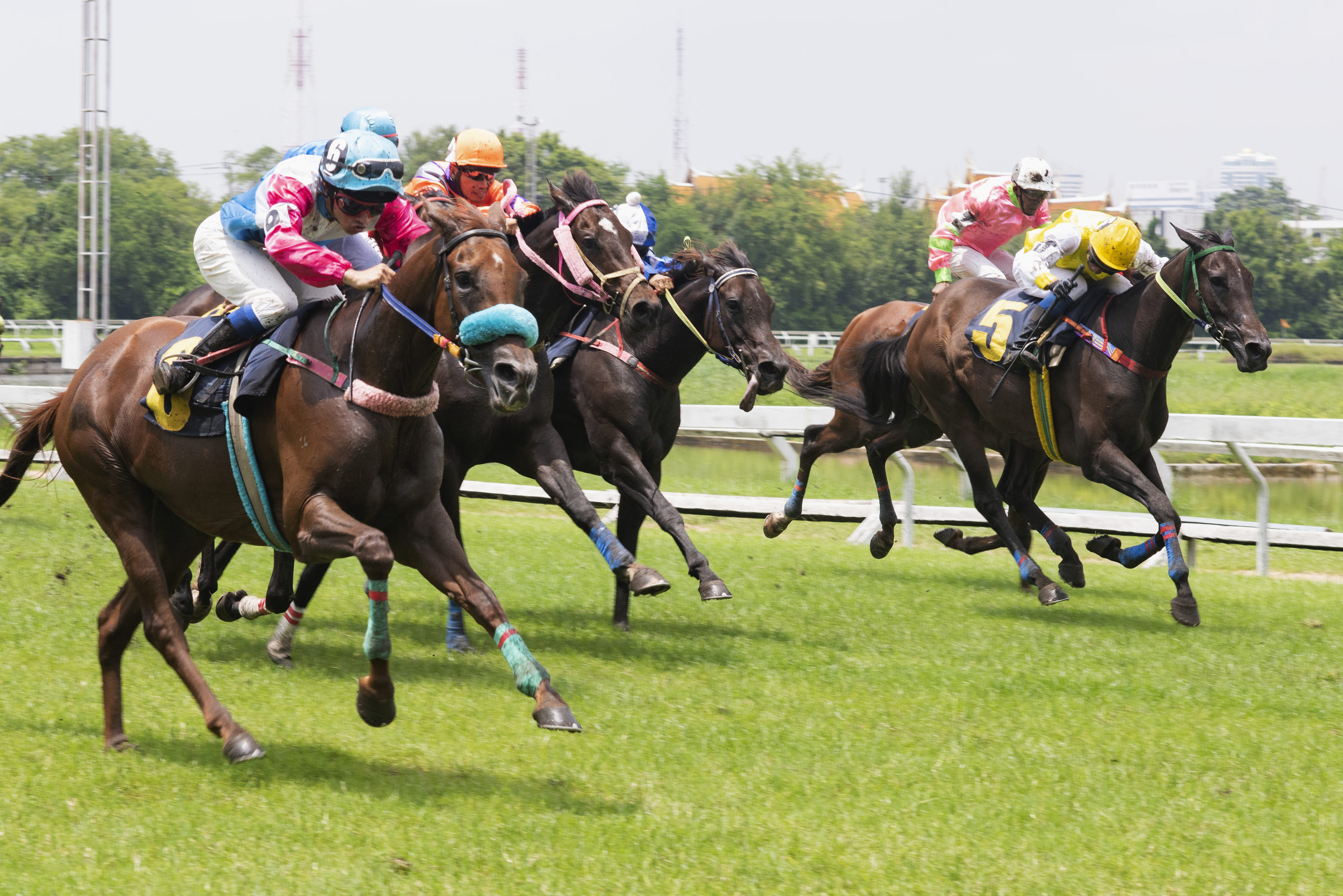

Ebor Festival 2022 Betting Guide and Race Insights
How the Key Races Shape the Ebor Narrative
The Ebor Festival gathers top middle-distance and sprint talent across four high-quality days, creating numerous betting angles to consider for both headline races and supporting events.
If you choose to bet, please remember that all gambling is for adults aged 18 and over only and should be undertaken responsibly.
Sky Bet Great Voltigeur Stakes: Form and Angles
Secret State’s progressive profile and Charlie Appleby’s stable form make him a logical favourite in the Voltigeur, but patterns from earlier in the season suggest pace, race shape and the draw all matter over 1m4f at York.
Look for horses stepping up from a clear staying trial, those with proven Goodwood and Newmarket form and riders who handle big-field tactics well when sizing up each-way and forecast options.
Assessing Form Lines: Recent Runs and Patterns
Compare recent finishing positions, lengths beaten and the quality of opposition rather than solely focusing on wins, because a close second to a high-class rival can be more instructive than a narrow win in a weaker contest.
Also weigh consistency across types of courses; some three-year-olds improve markedly on deeper or faster ground, affecting value between rivals like Secret State and Deauville Legend.
Juddmonte Stakes Preview: Why Baaeed Matters
Baaeed’s unbeaten record and versatility over a mile make him the headline for the Juddmonte, but racing at York and the step up to 1m2f add nuance to market expectations and ante-post interest.
Assess whether stamina for the extra furlong is a genuine test and how race tempo could play to the strengths of closer types such as Mishriff.
York Pace Maps: Why Early Speed Matters Here
York’s straight track and typically honest early gallop mean front-runners and handy-paced horses can control race shape, so note entries likely to set or dictate tempo when placing win-only or each-way wagers.
Pace maps also help identify horses that may be vulnerable to late closers, guiding decisions between early-backing and waiting for in-play value if markets drift.
Yorkshire Oaks Focus: Alpinista and Female Turf
Alpinista’s string of long-distance wins and proven 1m4f form make her a standout, but the Oaks formbook and seasonal targets of rivals should be examined to gauge true superiority in the race.
Check for mares returning from different training regimes, as some progressive five-year-olds improve with stronger stamina tests while others regress after lengthy campaigns.
Using Each-Way Terms and Place Structures Wisely
Each-way place terms differ between bookmakers and markets, so always confirm the number of places paid and the fractions on offer before staking, especially in large fields at York where placevalue matters.
In festivals like Ebor, a small each-way stake across several chances can be a lower-risk way to cover variables such as going and late non-runners.
Lonsdale Cup Outlook: Stamina and Track Form
For the Lonsdale Cup, proven stamina and affinity for the Knavesmire are major positives; Stradivarius’ record at York gives him a compelling profile but persistent rain and a return to softer ground could change the balance.
Consider horses who have won on similar ground and those with recent staying form rather than relying solely on past York successes when assessing market value.
Ante-Post Versus Race-Day: Risks and Rewards
Ante-post betting can offer better odds but carries the risk of non-runners and forfeited stakes; for festival handicaps and cups, weigh the potential price improvement against the certainty of race-day markets.
Race-day staking reduces that risk and allows assessment of final declarations, going and jockey bookings before committing larger stakes.
Nunthorpe Stakes Analysis: Speed, Age and Ground
The Nunthorpe is frequently decided by raw speed and how juveniles handle big-race atmospheres; The Platinum Queen’s rapid rise must be balanced against more seasoned sprinters and potential draw bias.
Prior form over five furlongs, track-specific sprint performance and riding switches — such as Hollie Doyle’s mount — should be part of pre-race evaluation.
In-Play Options: When to Trade or Cash-Out
In-play can offer opportunities where markets overreact to early splits or bumping, but such trades require discipline and clear exit plans to avoid emotional losses.
Use live tools only when you understand volatility and have a pre-determined loss limit, as cash-out values rarely reflect true long-term expected return.
Trainer and Jockey Trends to Watch at York
York rewards trainers who target this meeting consistently; review stable declarations across the week to spot trainers with strong strike-rates and horses aimed specifically at a race rather than long-term targets.
Jockey bookings often reveal confidence in a mount’s chances — switches to more in-form riders or high-profile engagements can be a valuable indicator in tight markets.
Spotting Value: Identifying Outsiders Worth Backing
Value often exists where market-makers underprice stamina drops, trainer patterns or late jockey changes that improve a horse’s chance; look for horses whose form over similar trips has been overlooked.
Smaller bookmakers sometimes show differing prices on these outsiders, so checking multiple firms can uncover better returns for speculative stakes.
How Ground Conditions Affect Each Big Race
Summer weather and any late rain will shift formbook opinions quickly; expected softening helps stayers and horses who showed preference for yielding turf earlier in the season.
Monitor weather forecasts and official going reports as declarations close, because a switch from firm to good-to-soft can significantly alter race probabilities and punting plans.
Betting Strategies: Stakes, Each-Way and Covers
Decide on a staking plan before the festival, focusing on unit sizes and maximum exposure, and avoid chasing losses by increasing stakes after defeats.
For multi-race days consider small, selective multiples alongside single-race each-way plays to balance the excitement of accumulators with risk control.
Jockey Booking Patterns and Late Replacements
Late jockey changes often reveal real-time confidence or concern; a top jockey opting for one ride over another can shift value and should influence final staking decisions.
Track whether replacements are last-minute tactical switches or forced changes, as the rationale affects how much the market should react.
Market Moves: Reading Odds and Late Drift
Odds movement can highlight connections’ confidence, market preference or heavy backing by syndicates; sudden shortening near declarations usually signals strong support worth investigating.
Conversely, steady drift may expose a horse vulnerable to the final gallop or a softer surface, helping you decide whether to back, lay or ignore.
Bookmaker Offers: Compare Free Bets Before Wagering
You can explore bookmaker offers and free bets through our comparison tools to assess enhanced odds, bet credits and each-way concessions, but always read terms and conditions before participating.
Remember that offers can vary by firm and are subject to eligibility; if you choose to use affiliate links for convenience, treat them as one part of your broader decision-making.
Responsible Betting Advice for Festival Punters
Set a budget for the meeting and stick to it, never using betting as a way to solve financial issues or as a measure of personal success.
Use tools provided by operators like deposit limits, time-outs and reality checks, and seek help from organisations such as GamCare if gambling becomes problematic.
You can compare current bookmaker free bet offers and new customer promotions on our free bets page to help inform your choices responsibly. https://bestofbets.com/free-bets
For casino bonus offers and new player promotions, see our dedicated casino bonus page to review terms and manage any play within safe limits. https://bestofbets.com/casino-bonus
Frequently Asked Questions: Ebor Festival Betting Guide
Can I bet at the Ebor Festival if over 18 only?
Yes, all betting is restricted to adults aged 18 and over in the UK; operators will require verification before allowing real money wagers.
How do I check each-way place terms for festival races?
Each bookmaker publishes place terms in the bet slip or promotions page; always confirm the number of places and fraction of the win odds before placing each-way bets.
Should I prefer ante-post prices or race-day odds at York?
Ante-post can offer bigger prices but carries non-runner risk and reduced flexibility; race-day odds reflect final declarations and going, so choose based on risk appetite.
How much does the going influence the Lonsdale Cup outcome?
Going has a significant effect: softer turf generally favours proven stayers, whereas very firm ground can advantage horses with sharp speed and recent form on fast courses.
Are jockey bookings a reliable indicator of a horse’s chance?
They can be informative because top jockeys often select rides where they feel competitive, but bookings should be one of several factors in your assessment.
Where can I find responsible gambling support during the festival?
Operators provide tools like deposit limits and self-exclusion, and UK organisations such as GamCare offer confidential support and guidance for those who need it.
Is it sensible to include outsiders in festival multiples?
Including carefully selected outsiders can boost returns, but do so sparingly and as part of a controlled staking plan to limit downside from longshot volatility.
Will late weather changes affect my betting decisions?
Yes, changes in weather and the official going can alter race dynamics dramatically, so review the going as declarations close and adjust your selections accordingly.