

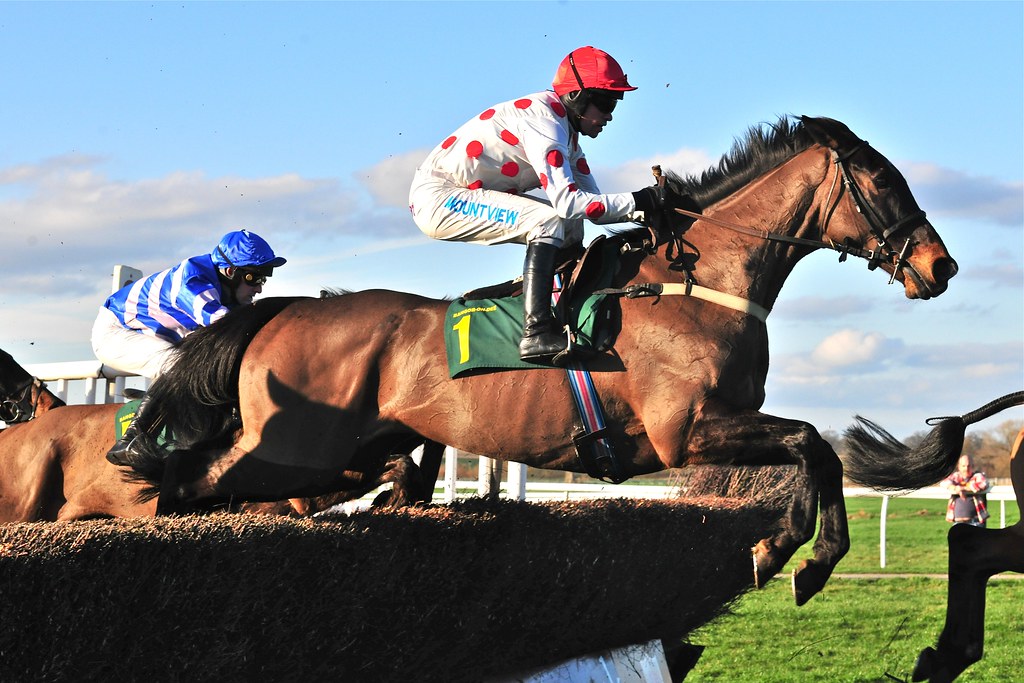

Newbury Coral Gold Cup Betting Guide and Tips
This companion guide expands on the Friday Newbury selections and gives practical advice for punters assessing the Coral Gold Cup card and related races. Please note that all betting advice is for readers aged 18+ and is informational only; always gamble responsibly.
Approach and Strategy for Betting the Newbury Card
Start with a clear staking plan and identify where genuine value lies rather than backing obvious favourites for emotional reasons. Keep records of bets, stakes and outcomes to review strategy over time and avoid treating betting as a way to solve financial issues.
Race-by-race brief and betting rationale for Friday
Use the original selections as the core betting plan while scanning late market moves, non-runners and any jockey or ground changes that could alter formlines. Small, selective stakes on clearly explained selections often out-perform scattergun approaches across the card.
Form analysis and reasons for backing Kalif Du Berlais
Kalif Du Berlais showed professional promise over fences despite a fall on debut, and the step into handicap company with an adjusted mark and four-year-old allowance looks well timed. Paul Nicholls’ stable form and recent entries suggest he has been well prepared for this mark and trip at Newbury.
Why Captain Teague is a solid novice chase selection
Captain Teague’s Challow Grade 1 form and tidy chase debut underline his potential, and Harry Cobden’s race-riding experience adds confidence in traffic. The profile of his past runs indicates a novice chaser with clear upside rather than a fully exposed animal at this stage of the campaign.
Saint Segal: handicap case and trip suitability explained
Saint Segal has been dropped in the handicap to what looks like competitive territory, and his running style suggests he can handle the step up to roughly 2m4f at Newbury if jumping falls into place. Look at the Ascot and Lingfield pieces of form in context rather than in isolation to judge whether the mark now reflects a fair chance.
Hugos New Horse prospects and each-way value at Newbury
Hugos New Horse carries a lenient mark and is returning from a break, which often produces improvement in lightly weighted handicappers at this time of year. An each-way approach makes sense where the race is open and the market is soft on more exposed rivals.
Markets to consider: win, each-way and forecast bets
Win and each-way remain the simplest ways to express conviction, while small forecast or tricast bets can be worthwhile when two or three horses clearly separate from the rest. Stake sizes should reflect probability and market value rather than wishful thinking about outcomes.
Assessing trainer and jockey form for Friday runners
Review recent strike-rates for trainers and jockey combinations at Newbury and similar courses, and value performers in form rather than headline names. Stable confidence and local knowledge can shift a horse’s chances more than headline statistics suggest.
Course and ground impact on performance at Newbury
Newbury has undulations and a stiff finish that suit horses with a bit of pace and balance; check recent going descriptions and how each selection handles soft or good-to-soft conditions. Horses that have previously won or placed on similar ground and distance profiles merit extra attention.
Suggested staking plans and risk management advice
Adopt fixed-percentage staking, such as 1–3% of a defined betting bank per selection, to control downside and allow for variance. Avoid chasing losses and set session limits so betting remains recreational and sustainable.
How to use stats and trends for Newbury handicaps
Key trends include last-time-out improvement, weight-on-off-age allowances and horses stepping up or down in trip; combine these with course-specific form to filter runners. Avoid over-relying on a single stat and use trend cards as one input among many in decision-making.
Late market checks and in-running considerations
Monitor price moves in the hour before each race for clues about confidence from matched bets or industry insiders, and consider in-running opportunities where a horse’s style suits a fast or slow pace. Keep stakes modest when using live markets due to increased volatility and commission.
Recording results and refining your betting process
After the meeting, note which markets, races and bet types worked best and which did not, then refine your approach accordingly. Consistent review and modest adjustments help develop a long-term, repeatable strategy rather than chasing short-term glory.
Responsible betting reminders and support resources
Gambling should be a form of entertainment for those aged 18 and over; set deposit, loss and time limits, and use self-exclusion tools if required. If betting stops being fun or you suspect a problem, seek help from recognised UK resources such as GamCare or Gambling Therapy.
Where to find bookmaker offers and comparisons safely
You can explore bookmaker comparisons and free bet offers responsibly using reputable comparison tools to check terms and wagering requirements before committing funds. Only use licensed UK operators and be mindful of offer expiry conditions and playthrough rules.
Final notes on betting the Newbury card with discipline
Keep stakes proportionate, focus on value rather than sentiment and accept that losing runs are part of betting; avoid attempts to chase losses or use gambling to address financial needs. Documenting each decision and its rationale makes it easier to learn and improves long-term outcomes.
You can explore our recommended bookmaker free bet offers and compare terms at BestOfBets free bets to find current promotions and sign-up incentives. Visit our affiliated casino offers for the latest new customer bonuses at BestOfBets casino bonuses.
What age and weight trends matter at Newbury this season?
Recent seasons show four-to-seven-year-olds tend to perform well over novice chases and middle-distance handicaps at Newbury, especially when carrying weight consistent with recent wins. Always balance age with current form and fitness rather than using age as a sole deciding factor.
How should I approach each-way betting in handicaps?
Use each-way bets when the market suggests an open race with several runners capable of placing, and ensure you understand each bookmaker’s place terms before staking. Smaller stakes on multiple selections can diversify risk while keeping exposure manageable.
When is form from last season still relevant to consider?
Past-season form remains relevant for lightly raced horses or those returning from a short break who are likely to have improved, but it is less reliable for horses with a lengthy run of poor efforts. Consider whether the horse has changed trainer, experienced a wind procedure or had a break that could materially affect current ability.
Should I follow trainer or jockey statistics at Newbury?
Yes, but focus on recent and course-specific trainer and jockey form rather than historical reputations; a hot trainer with a strong strike-rate often sends out multiple well-prepared runners. Combine these stats with individual horse profiles to avoid over-weighting a single indicator.
What staking options reduce risk for regular punters?
Fixed-percentage staking and unit-based systems help manage risk and preserve a betting bank through losing runs, while reserve bankroll rules stop over-exposure after a string of losses. Avoid increasing stakes to recoup losses and maintain discipline with pre-set limits.
Where can I find responsible gambling tools and limits?
Licensed UK bookmakers provide deposit and loss limits, session timers and self-exclusion options; use these tools to keep gambling within healthy boundaries. If you need further help, contact UK support services such as GamCare for confidential advice.