

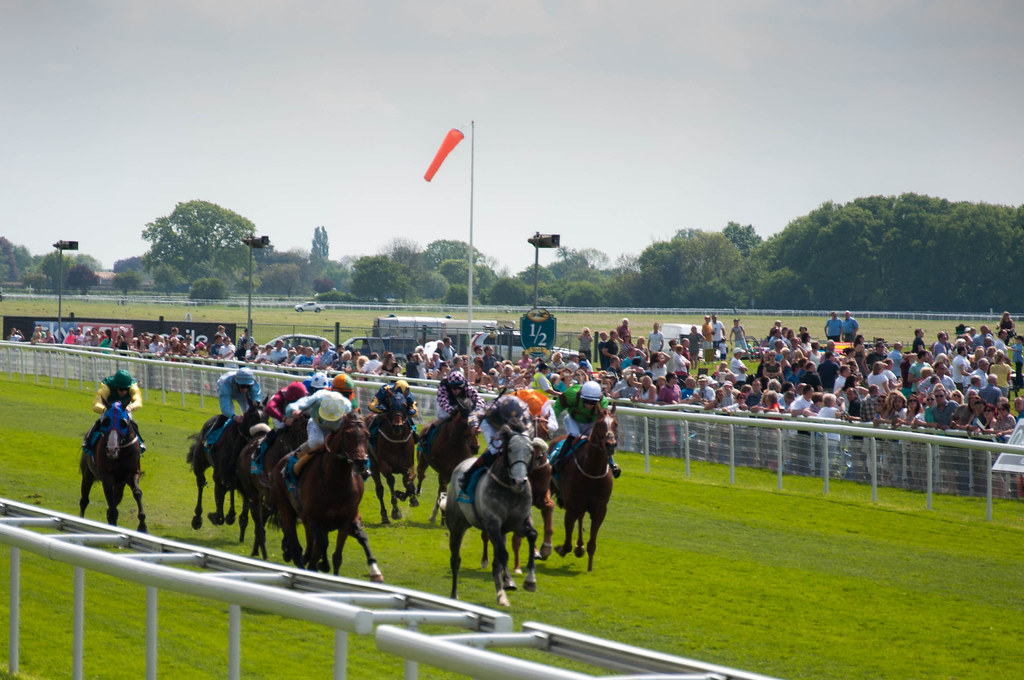

Chester May Festival Day Three Tips and Track Insights
This expansion offers tactical insights and betting considerations for the final day at Chester, focusing on Boardman, Mashhoor, the Chester Cup contenders and Chillhi. Read on for race-specific notes, staking guidance and how to use form, draw and market signals responsibly.
How to read form and weights at Chester today
Chester’s tight, sharp track exaggerates draw and pace effects, so form that looks ordinary elsewhere can be significant here when supported by course-and-distance or recent speed figures. Always check weight carried relative to recent wins and consider whether a horse’s last run was on unsuitable ground or at a different trip.
Why course and draw matter at Chester races
Chester’s near-oval layout and short straight make early positioning vital, so stall draw and a horse’s natural racing style will often determine whether it can overcome a nominal class or rating shortfall. When a horse has shown form over course and distance, that evidence carries extra weight because it demonstrates an ability to handle the unique bends and tempo of Chester.
How to interpret recent form lines for betting value
Focus on the context of each run rather than raw finishing positions, noting ground, trip, pace and whether the horse travelled well or was boxed in; a line of slightly disappointing finishes can hide improving form when conditions were unsuitable. Look for patterns such as progressive runs with a clear excuse on the latest start, which can indicate an upcoming performance upgrade rather than decline.
Specific race notes: Boardman and tactics to expect
Boardman’s formbook shows course and distance wins and seasonal affinity for May, which are valuable at Chester where experience and timing count for a lot. The combination of a favourable recent mark, a proven rider partnership and a return to quicker ground suggests a realistic each-way chance, particularly given his form under similar conditions.
Assessing weight changes and handicapping effects
Small weight drops can be decisive in a competitive handicap at Chester, where fractions in pace and position matter more than at a flatter track; compare current marks against peak winning marks and look for horses dropping to a mark they won from. Trainers often target handicaps with a planned mark reduction, so a well-timed rating slide combined with a stable hint of readiness should be treated as a positive indicator rather than an isolated number.
Why Mashhoor could outrun his 10/1 odds today
Mashhoor’s profile — a late developer with a strong Group 3 win and proven ability to sit on the pace — fits Chester when a front-running or pace-capable horse can exploit the track’s demands. A recent prep run, an entry in a higher-class race such as the Tattersalls Gold Cup and a trainer with form in similar targets are tangible reasons to respect his 10/1 quote.
Selecting each-way stakes and place terms wisely
At the margins, each-way value depends on both the bookmaker’s place terms and the race’s depth; wider place coverage on large-field handicaps can justify smaller each-way wagers, while tighter place terms favour straight-win or forecast strategies. Consider splitting stakes between win and each-way depending on how confidently the market supports the horse after late money and jockey declarations.
Chester Cup overview: Too Friendly and Spirit Mixer analysed
The Chester Cup often throws up unusual profiles that can perform well when ground, trip and a patient ride converge; Too Friendly’s flat mark combined with strong hurdles form suggests robustness and an ability to handle a stamina test if the pace collapses. Spirit Mixer offers a classy pedigree and a useful claim for the jockey, which on return to better ground and with an improving stable run-rate could make him competitively weighted in this big-field scenario.
When to back horses switching codes or returning from jumps
Horses switching from hurdles to the Flat can carry race-hardened resilience and fitness, and previous winners of the Cup have followed that route successfully, so don’t discount a strong jumper with a credible Flat mark. Verify how recent years’ comparisons look and whether the trainer has targeted the Flat return, as planned seasonal switches are less risky than last-minute code changes.
Final sprint: Chillhi, odds and value assessment
Chillhi drops in class and meets conditions that have produced a near miss at Chester from the same draw and distance, which suggests value at a short price if recent handicap relief is genuine. A trainer’s decision to drop into Class 4 and a three-pound riding claim combine to make a compact-case for a smaller, confidence-backed win stake.
How to use market movement and jockey bookings
Late shifts in the market are useful directional signals; a sustained drift often reflects that informed money has gone elsewhere, while shortening odds in the hour before the race can indicate stable confidence or significant support. Jockey changes are equally instructive, particularly if a known claimer or a pilot with strong Chester form replaces the original booking at short notice.
Staking plans: sensible approaches for festival days
Adopt a clear staking plan before markets open and stick to it, sizing stakes in proportion to confidence and the value on offer rather than chasing losses or overexposing after a single win. For festival cards consider scaling stakes by race importance and field size, using smaller stakes in large, unpredictable handicaps and slightly bigger ones where form and track-specific knowledge align.
Weather, ground and late declarations to monitor
Always check the going and any overnight rain patterns because Chester’s drainage and the prevailing wind can alter the effective ground, which affects horses returning from soft or very quick conditions. Keep an eye on declarations and non-runners late in the day, as a single withdrawal can significantly change place-value in big-field handicaps and affect each-way viability.
Responsible betting and how to use offers safely
This content is for readers aged 18 and over and for informational purposes only, not as encouragement to gamble; if you choose to bet, do so responsibly and within your means. You can explore current bookmaker offers through our comparison tools if you choose to bet responsibly, and be mindful of limits, self-exclusion tools and support if gambling becomes a problem.
You can use bookmaker comparisons to check current odds and place terms, but avoid treating promotions as a reason to increase risk or to chase losses. Look for value and sensible stakes, and remember that past performance is not a guarantee of future results.
You can explore current bookmaker offers through our comparison tools at BestOfBets if you choose to bet responsibly: https://bestofbets.com/free-bets. For readers interested in casino bonuses, review the available offers and terms at our casino bonus page: https://bestofbets.com/casino-bonus.
Frequently asked questions about betting at Chester
Q: Is betting information on this page suitable for under-18s?
A: No. All content is intended for readers aged 18 and over and is informational, not a recommendation to gamble.
Q: How should I approach each-way bets at the Chester Cup?
A: Consider the bookmaker’s place terms, field size and a horse’s proven stamina; split stakes between win and each-way when there is reasonable place cover and the odds offer clear value.
Q: Do draw and stall positions matter at Chester?
A: Yes, Chester’s track amplifies draw and early positioning, so favour horses who handle tight turns and have shown form around the course when the stall is favourable.
Q: Can horses switching from jumps to the Flat be backed confidently?
A: They can be of interest when they carry a credible Flat mark and the trainer has planned the switch, but assess fitness and ground suitability before betting.
Q: What stakes should I use on festival cards?
A: Use a pre-defined staking plan, size stakes by confidence and race type, and avoid increasing stakes after wins or losses to chase outcomes.
Q: How do I interpret market moves before a race?
A: Significant shortening indicates possible inside support; drifting odds often mean money has gone elsewhere, but always combine market moves with form and jockey/trainer information.
Q: Where can I find bookmaker comparisons and safe gambling tools?
A: Our comparison pages list current offers, terms and responsible gambling resources for UK customers aged 18 and over, enabling informed and safer choices.
Q: What if betting feels like a problem?
A: If gambling causes harm, seek help through UK support services and use bookmaker self-exclusion and deposit limits immediately; responsible gambling is essential.