

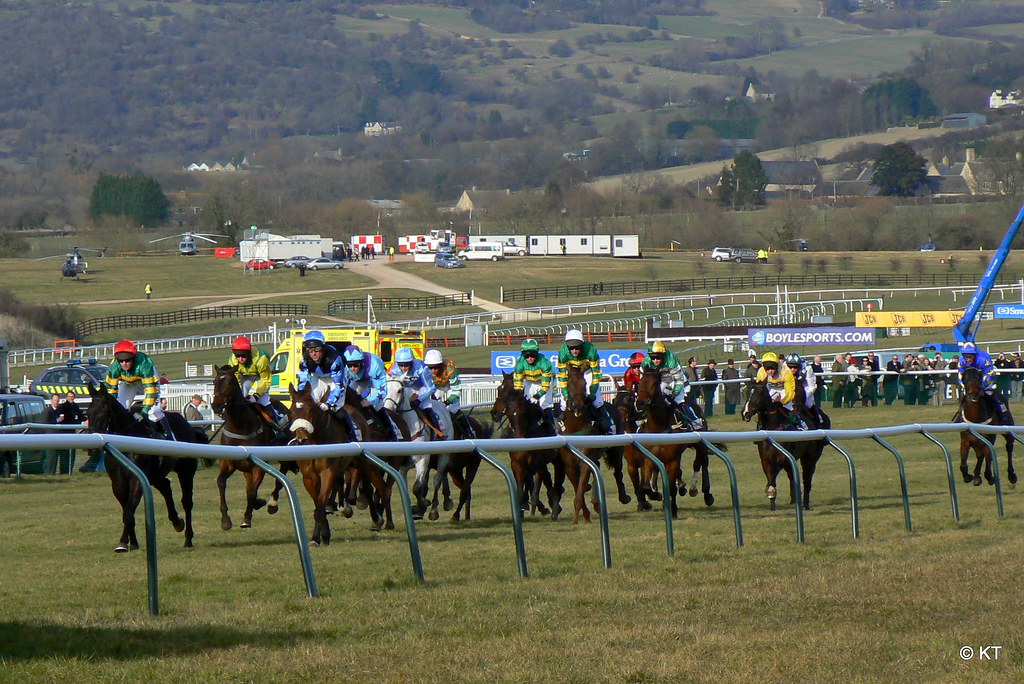

Cheltenham Festival 2025 Day 2 Tips and Analysis
Detailed race-by-race thoughts and betting context
This supplementary analysis complements the existing Day 2 tips above and gives practical context for readers weighing stakes and selection. It is intended for readers aged 18+ and urges sensible, responsible play at all times.
Turners Novices’ Hurdle form, pace and strategy
When assessing the Turners, pace maps and recent juvenile-to-novice transitions matter more than raw ratings. Horses that handled Newbury and showed a turn of foot on a flat finish typically transfer well to the Turners test at Cheltenham.
Why Potters Charm and The New Lion profiles differ
Potters Charm offers a clear each-way profile with a strong staying foundation and a tactical run style suited to softer, slower-run races. The New Lion brings grade-one form and class, which often counts for more around Cheltenham’s undulations when a strongly paced race sets up.
Cross Country Chase: questions on ground and fitness
Cross-country races are unique tests of stamina, balance and jumping adaptability over varied obstacles and undulating ground. Freshness and prior experience on the Cross Country course are reliable indicators; a horse coming here off a sensible break often runs well.
Cross-country course specifics and race shape matters
Course familiarity is valuable because the cross-country route demands negotiating unusual fences and finding rhythm over longer distances. Trainers often prep a specific plan for these races, so look for horses that have been targeted for the contest rather than improvised entries.
Handicap chases: weights, trends and betting angles
Handicap chases at Cheltenham hinge on how a horse handles weight and whether its mark reflects recent form or peak ability. Look for patterns where horses improve going up in trip, handle quicker ground and show late-closing tendencies in big-field handicaps.
Practical staking: unit sizes, ew covers and bank rules
Adopt a simple staking plan: a consistent unit size for singles and a reduced unit for each-way covers in large handicaps. Use smaller ew stakes for speculative selections and protect your bankroll by applying a strict percentage rule per day.
Bumper and novice prospects: pace, pedigree, trainers
The Champion Bumper often highlights horses with both juvenile speed and the scope to switch to hurdles or chases. Pedigree clues combined with trainer patterns help identify which bumper runners have a future over obstacles.
Watch debut form carefully; a ready-looking winner at a big track often translates to a strong Cheltenham showing, particularly when trained by yards that target the Bumper with purpose.
Accumulator considerations and staking strategies explained
Short-priced Cheltenham trebles can offer reasonable value when selections are distinct in class and conditions, but trebles concentrate risk across multiple races. Limit exposure by staking small units on accumulators and prefer singles or small multiple covers when confidence is mixed.
Assessing risk versus reward on treble and multi-bets
When constructing an acca, consider correlation risk and the chance that a single ground change affects multiple legs. Diversify exposure by combining a confident single with a low-cost acca rather than increasing a single stake across both options.
Trainer and jockey trends to monitor on the day
Form at Cheltenham often follows stable patterns; some trainers target specific races with identified horses and will tailor preparations accordingly. Jockey bookings also matter, especially where a partner has a proven record over a particular course or in similar conditions.
Prioritise combinations of trainer target + proven jockey over a short-priced market favourite that arrives under an unremarkable prep. That alignment can be a subtle but useful edge in big-field handicaps and novice contests.
Ground, weather and how it reshapes chances
Weather forecasts should influence final stake decisions, not ante-post convictions; a rain swing can upend hopes for horses who prefer a faster surface. Check official going descriptions on the morning and be prepared to adjust stakes or scratch selections if conditions alter significantly.
For punters planning bets, set trigger rules now: if the going changes to heavy or soft in a way that conflicts with your selection’s proven preferences, reduce or withdraw the stake rather than chasing a result.
Responsible betting guidance and bankroll protections
This content is for readers aged 18+. Betting should be recreational and affordable; never stake money you cannot afford to lose. Set a session limit, use pre-commitment tools offered by bookmakers and take regular breaks during busy festival days.
If gambling becomes less enjoyable or feels like a problem, seek support through recognised charities and tools such as GamCare or Gamblers Anonymous in the UK. You can also use bookmaker self-exclusion and deposit-limits to control activity.
How to use bookmaker comparisons and offers sensibly
You can explore bookmaker comparisons and free bet offers to find the terms that suit you, but treat offers as opportunities to trial markets rather than routes to guaranteed profit. Check eligibility, wagering requirements and expiry timelines before opting in.
You can explore current bookmaker offers through our comparison tools if you choose to bet responsibly.
FAQs about Cheltenham Day 2 tips and betting
Are these Cheltenham tips suitable for beginners?
Yes, the notes explain pace, ground and form in plain terms to help newcomers make informed choices. Always use small stakes until you are comfortable with festival betting dynamics.
How should I adjust if the weather changes?
Reassess each selection against the new official going and reduce or refrain from staking if a horse’s form shows a clear ground preference. Avoid chasing bets after late market moves caused by weather.
What is a sensible staking plan for festival days?
Use fixed unit sizes and cap daily exposure; many experienced bettors stake a small percentage of their total roll per day and reduce units for each-way or speculative selections. Discipline is key.
Do trainer and jockey choices really affect outcomes?
They can be meaningful; targeted trainer preparations and experienced jockey/course combos often deliver better Cheltenham returns than raw prices suggest. Look for consistent targeting patterns.
How do I decide between ante-post and the race-day market?
Ante-post can offer enhanced value but carries non-refund risk if a horse is withdrawn. Race-day markets give late-info on ground and health, so balance the two options according to your appetite for risk.
Is it safe to use bookmaker free bets when staking?
Free bets can be useful if you understand the terms and treat them as a way to explore markets rather than expected profit. Check wagering rules and eligible markets before using an offer.
Where can I find help if gambling stops being fun?
If gambling causes worry, contact UK support services such as GamCare and use bookmaker safety tools like deposit limits and self-exclusion. Responsible play is essential.
For a roundup of current recommended bookmakers and their free bet offers for new customers, see our free bets page at https://bestofbets.com/free-bets. You can also compare casino bonus offers for new players via our casino bonuses page at https://bestofbets.com/casino-bonus.