

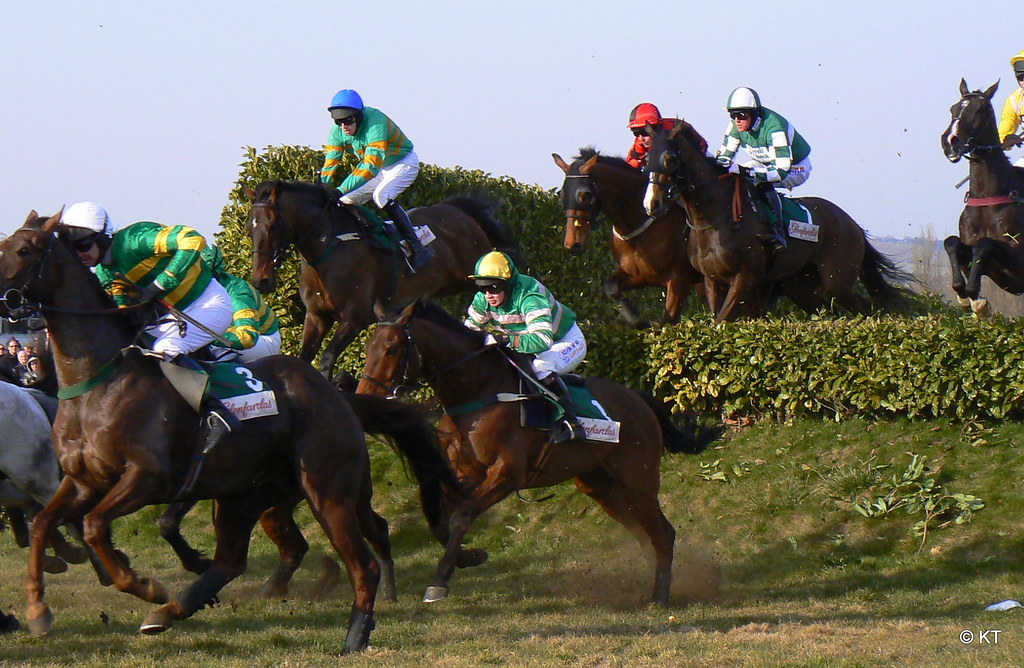

Cheltenham Festival: Cross-Country and Hunters’ Insights
The Glenfarclas Cross-Country and the St. James’ Place Festival Challenge Cup Open Hunters’ Chase present unique betting and form-reading challenges that reward specialist knowledge rather than headline statistics. This expansion complements the race previews above by breaking down how to assess returning Gold Cup types, amateur chases, trainer trends and the variables that tend to decide these unusual Festival contests.
How to assess form and value in unique Festival races
Focus on race-specific clues such as previous runs over unconventional tracks, course-specific reappearances and evidence of stamina or jumping adaptability, rather than relying solely on general form lines or short-priced market noise. Value is often found by combining objective checks — recent race tempo, ground suitability, and preparation route — with subjective judgment about a horse’s aptitude for the unusual demands of Cheltenham’s non-standard events.
Glenfarclas Cross-Country race: what to consider
The Cross-Country is as much a test of balance and agility as it is of stamina, so horses with recorded success on the Punchestown or Aintree-style cross-country circuits are often preferable to those whose form is limited to conventional chases. Consider horses that have won or placed over similar obstacles and distances, check recent jumping confidence, and note whether a horse has recovered well from seasonal campaigns that included heavy passage or long trips.
Why Cheltenham winners can handle diverse obstacles
A former Gold Cup winner may possess a blend of stamina, speed and experience that transfers well to quirky layouts, provided there is no underlying decline in form or persistent physical setback; age, recovery between races and recent wind or vet notes should be accounted for. When assessing older performers, look for positive reappearance runs and trainers’ comments about targeted prep rather than relying on past glories alone.
Cross-Country profile: testing features and pace map
The race requires a balance of cruising speed and the ability to negotiate irregular fences and banks, which means front-running tactics do not always prevail; a horse that can pick its way through traffic and renew speed after awkward jumps will often outrun a purely stamina-based rival late on. Examine sectional times in prep races and visual race replays where available to assess whether a horse accelerates when asked or merely grinds.
Betting strategy: stakes, each-way and value staking
With unpredictable finishing orders and typically deeper each-way places, a conservative staking plan focusing on smaller stakes, diversified each-way coverage and selective reverse forecasts can protect a punter’s bank while maintaining exposure to value. Prioritise bookmakers that publish clear each-way terms and consider laying off stakes with alternative markets if race conditions deteriorate or a favourite drifts markedly.
St. James’ Place Hunters’ Chase: form and tips
Hunter chases are dominated by amateur riders and lightly raced profiles, so the formbook demands interpretation in the context of point-to-point wins, recent Hunter performances and the quality of obstacles faced rather than raw speed figures. A horse with a consistent record in hunter chases or a strong point-to-point background, backed by a reliable amateur pilot and trainer who targets this scene, usually offers more reliable value than headline prices suggest.
Assessing trainers, jockeys and prep races for value
Some trainers have well-established prep routes to Cheltenham and a clear pattern of success in fringe races; identifying these patterns helps distinguish legitimate contenders from sentimental market fancies. Similarly, the record of an amateur rider in big meetings or a jockey’s familiarity with the cross-country layout can be a decisive edge when formlines between horses appear tightly matched on paper.
Cross-Country profile: testing features and pace map
Race tempo and positioning matter greatly on the cross-country course because unusual climbs, banks and uneven fences can create traffic and force horses into extra exertion; a horse that travels kindly and jumps out of trouble will often finish best. Assessing likely race shape with available declarations and planned tactics from stable notes helps determine whether a horse is likely to be involved in the right part of the race when it matters.
Responsible gambling guidance and bookmaker tools
Gambling should be a form of entertainment for people aged 18 and over, and anyone choosing to bet should set and stick to limits, use available bookmaker tools such as deposit limits and self-exclusion, and seek help if betting stops being fun. You can explore bookmaker comparison tools and responsible-betting pages to make informed choices, and remember that odds and offers change — past performance does not guarantee future outcomes.
How to read value in markets where favourites dominate
When a headline horse attracts heavy market support, look for secondary markets where the favourite’s appeal is muted, such as each-way lists, forecasts or non-runner no-bet book terms, and compare the implied probability implied by the best available price against your own assessment. Shop around for prices and terms: different operators can offer materially different each-way terms, place fractions and concessionary rules that change the expected return on longer-priced selections.
Practical checks before placing a bet
Confirm declarations, course officials’ updates, the going description and any late stable notes before committing stakes, and if possible watch replays of prep runs to judge a horse’s jumping rhythm and recovery between fences. Avoid chasing losses and never treat betting as a way to resolve financial issues; if you have concerns, use the industry help resources and gambling support organisations.
You can explore current bookmaker offers through our comparison tools if you choose to bet responsibly and are 18 or over. Some links on this site are affiliate links that help fund our journalism; they are informational, not a recommendation to bet.
Can Gold Cup winners adapt to cross-country races?
Many Gold Cup winners have the stamina and experience to adapt, but suitability depends on current form, soundness and whether their recent prep has included lessons in balance and jumping that translate to cross-country fences.
What should I check when assessing hunter chase form?
Focus on point-to-point wins, recent hunter chasing runs, the quality of the amateur rider, and indications of fitness and jumping confidence from the horse’s latest starts.
How do trainers’ records affect betting value?
Trainers with consistent prep patterns and Festival targeting often provide a predictive edge, so study who regularly runs horses here and how those horses have fared under similar conditions.
Are there specific signs of fitness to watch for in horses?
Look for sharpness on reappearance, good recovery between races, positive wind or vet reports and strong finishing sections in recent runs as indicators of race-fit condition.
Which responsible gambling steps are recommended?
Set a bankroll, use deposit and stake limits, avoid chasing losses, and access support services if betting stops being enjoyable; always ensure you are 18+ before betting.
How can I compare bookmaker offers safely and fairly?
Use comparison pages to check standard odds, each-way terms, qualifying criteria for free bets and whether offers carry restrictive wagering requirements, and then decide based on clarity rather than pressure.
Find our regularly updated list of top bookmaker free bet offers and comparison tools on our free bets page at https://bestofbets.com/free-bets for informed, responsible choices. For casino bonus comparisons and current offers from affiliated sites, visit our casino bonus summary at https://bestofbets.com/casino-bonus.