

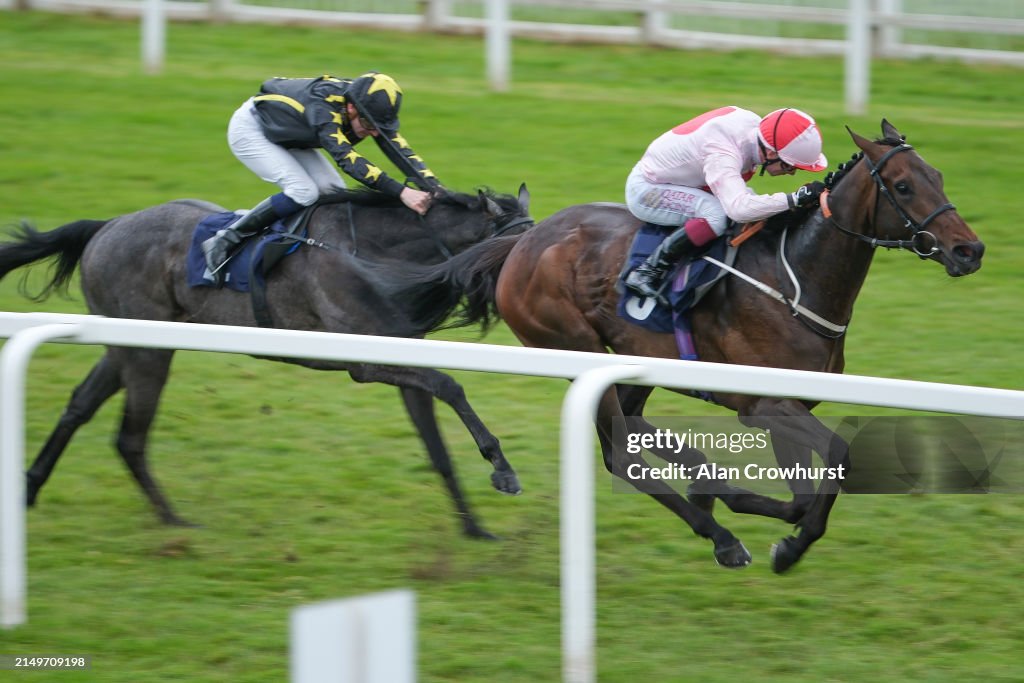

Princess Royal Stakes Preview: Sea of Roses Outlook
How soft ground changes the race dynamic
The downgrade to soft turf at Newmarket alters the likely speed and stamina balance, turning what might have been a predominantly pace-favouring contest into a stamina test where galloping action and tactical positioning matter more than raw turn of foot. Horses proven on yielding or soft ground gain a relative edge, while those with most form on good or firm surfaces can be asked more questions about their ability to cope with a deeper, more tiring surface.
For punters and viewers this means assessing recent soft-ground runs and pedigree clues becomes essential, as does considering how the race will be run: a steadily run staying contest suits accumulators of stamina, whereas sustained tempo could still favour horses with a good cruising speed. Keep in mind that soft conditions often amplify finishing positions from previous similar-ground races, making the Windsor win for Sea of Roses more relevant than a sequence of firmer-track performances.
Sea of Roses form, stamina and ground preference
Sea of Roses carries form that reads well for this surface, notably the recent soft-ground success at Windsor which suggests an adaptability to more testing turf and an ability to sustain a finishing effort over middle distances. With Andrew Balding to set the filly up and Oisin Murphy booked to ride, the combination brings both experience and tactical versatility; her race record shows not being lightly raced and that she handles a range of tempo scenarios when conditions demand it.
Pedigree also supports the stamina case — as a Sea The Moon filly she possesses the breeding to see out an extended 1m2f contest on cut ground, and the Windsor victory over opponents who subsequently ran creditably in staying company further strengthens her soft-ground credentials. That makes her one of the more persuasive contenders if the going remains on the softer side by Friday afternoon.
Time Lock’s credentials and questions to answer
Time Lock arrives as the market favourite on the back of a dominant win last year and proven Group-class ability, yet her best form has typically come on quicker turf where her turn of foot has been most effective and decisively deployed. As a defending champion trained by Harry Charlton and usually partnered by Ryan Moore, she brings class and a tactical mind on the clock, but the switch to soft ground raises a question over whether the same gear is available when the ground is more energy-sapping.
Even with pedigree and past results that mark her out as the class act in the field, seasonal form and a few less convincing recent runs invite closer scrutiny if the surface feels testing, and those looking to back Time Lock should weigh her absolute ability against the potential drag of cut ground that could neutralise some of her usual attributes.
Wider field: challengers, each-way value and tactics
Beyond the headline duo, horses like Divina Grace, Francophone and Sinology offer alternative profiles that may thrive or at least improve on softer turf, and each can be viewed through different betting lenses depending on how the race is likely to be run. Divina Grace, a multiple winner at Newmarket, brings a local track record but lacks recent evidence on genuinely soft ground, while Francophone’s earlier form on good-to-soft suggests a possible outlier, albeit with questions over trip suitability.
Sinology presents interesting each-way potential for punters who prefer more conservative exposure, having shown form on softer surfaces over similar distances earlier in the season; in a race where stamina and a strong late run can upset pattern predictions, a small each-way stake on a longer-priced but proven soft-ground performer can be a pragmatic approach for those managing bankroll risk.
Which run styles suit soft turf at Newmarket
On soft ground the tempo often collapses into a more grinding contest where horses that can settle and accelerate through a sustained move tend to fare better than sit-and-sprinters who need a quick surface to explode. Runners who have experience racing prominently and controlling a consistent rhythm can also benefit because the deep turf punishes erratic energy expenditure from wide trips or extreme early speed.
For the Princess Royal Stakes this suggests prioritising horses with proven stamina, those with a history of finishing strongly on yielding ground, and those whose racing patterns indicate they are able to conserve energy before producing a decisive late surge.
How to interpret recent form when the going changes
Form lines run on vastly different ground types should be adjusted for context rather than taken at face value, which means a good run on firm turf is less predictive when the surface becomes soft and vice versa. When assessing contenders, look for recent runs on similar ground, wins or placed efforts on yielding turf and breeding that hints at stamina, and give added weight to one-off soft-ground winners over a sequence of strong but firm-track performances.
Watch for trainers who typically target soft-ground meetings and for jockey bookings that signal confidence from the yard, as these often indicate a deliberate placement rather than a speculative entry that could be exposed by unfamiliar conditions.
Jockey and trainer angles to consider before betting
Jockey bookings and trainer preferences can reveal tactical intentions and signal confidence, with experienced pilots such as Oisin Murphy and Ryan Moore bringing different strengths; Murphy’s willingness to adapt mid-race and Moore’s clockwork positioning under pressure both factor into how each horse might be handled on soft ground. Trainers who campaigned horses at known soft-ground meetings earlier in the season may also possess empirical insight into which animals handle cut turf, and such patterns often matter more than raw headline form.
When building a betting view take note of the pairings that have produced soft-ground winners before, and consider whether a stable is known for improving its runners for a specific surface rather than simply relying on class alone to win regardless of conditions.
Market signals and ante-post movement interpretation
Watch early market moves as indicators of information flow: significant shortening for a contender after the going change can suggest confidence from connections or insider belief in a horse’s suitability to soft turf. Conversely, if a previously strong favourite drifts in the market following the weather update, that can reflect tangible concerns over its ability to handle the new conditions rather than mere public sentiment.
For sensible staking, use market shifts alongside independent form checks rather than following price alone, and remember that bookmakers adjust odds for liability which can produce both value and misleading volatility in the immediate aftermath of weather-induced going changes.
Betting strategies, staking and risk management
Given the unpredictability introduced by soft ground, conservative staking approaches such as smaller stakes, each-way plays, or laying off a portion of a position in-running can be prudent for experienced punters looking to manage variance. Backing a single primary selection with a small each-way split across one or two secondary possibles allows exposure to an upset without overcommitting capital in a race where the going materially reshapes prospects.
Consider a unit-based staking plan and avoid chasing losses; remember that betting is entertainment and should be approached with a disciplined bankroll that reflects personal limits and risk appetite, and always adhere to responsible gambling principles when placing any wager.
In-running considerations and how to follow the race live
In-running opportunities can arise if the pace collapses or a favoured horse struggles with the surface; live watching allows timely cash-out decisions or small counter-stakes on a tiring front-runner. Keep an eye on sectional times and midrace comments from broadcasters to judge whether the race is being run at a genuine enough tempo to suit hold-up types or whether a strong pace will favour those who can sustain speed through the mud.
Betting exchanges and live odds shifts offer avenues for adjusting exposure during the race, but any in-running action should be measured and consistent with your staking plan rather than reactionary in nature.
Race-day checklist for an informed wager
Before placing any bet check the official going report, confirm jockey declarations and any late rain forecasts, review most recent runs on yielding ground, and note any equipment changes reported by connections which sometimes indicate a tweak aimed at handling softer surfaces. Also verify confirmations and non-runners close to post time because last-minute withdrawals can materially affect each-way coverage and market value.
Finally, compare bookmaker odds and available promotions across reputable firms to ensure you get the best available price while remembering that offers should not be a reason to increase stake size; betting should remain responsible, with 18+ age restriction observed at all times.
Frequently asked questions about the Dubai Stakes and betting
Is the Princess Royal Stakes suitable for betting on soft ground?
Yes, the race can still be bet on with soft ground, but the changing going makes form lines less straightforward and requires focusing on horses proven on yielding turf. Adjust stakes and bet types accordingly to reflect increased uncertainty and variability in outcomes.
How important is the Windsor soft-ground win for Sea of Roses?
Very important: a recent win on soft ground is a strong indicator of ability to handle similar conditions and should be given significant weight when assessing her chances. It helps offset concerns about other runs solely on firmer turf.
Should I favour Time Lock despite uncertain ground?
Time Lock’s class is undeniable, but the soft going raises tactical and stamina questions that merit caution rather than blind backing; consider smaller stakes or combining her in multiples rather than backing her outright at large size. Balance her proven ability against surface suitability before committing more significant funds.
Which outsiders might be worth an each-way bet?
Outsiders with proven soft-ground form or breeding for stamina, such as Sinology, may offer reasonable each-way appeal at bigger prices if you prefer lower-risk exposure. Weight your each-way choices by recent run patterns and trainer-jockey confidence shown by entries and bookings.
How can I protect my bankroll on a day like this?
Use unit staking, set a maximum loss per day, and avoid increasing stakes to chase losses; for volatile conditions a reduced unit size or choosing smaller each-way bets helps preserve your bankroll. Responsible gambling tools offered by bookmakers can also help manage exposure.
Where can I check the best odds and bookmaker offers responsibly?
You can compare current bookmaker prices and free-bet offers through independent comparison tools to ensure competitive odds while keeping betting responsible and within your personal limits. Always pick licensed operators and verify terms and conditions before claiming any offer.
Are there any safety reminders for betting on this race?
Yes — betting is for 18+ only and should be treated as entertainment, not as a way to make money or solve financial problems; set limits, stake sensibly and seek help if gambling stops being fun. Use self-exclusion, deposit limits and reality checks where available from licensed operators.
You can explore current bookmaker offers and compare free bets responsibly on our recommendations page at https://bestofbets.com/free-bets. For information on casino sign-up bonuses from our affiliated partners, see https://bestofbets.com/casino-bonus.