

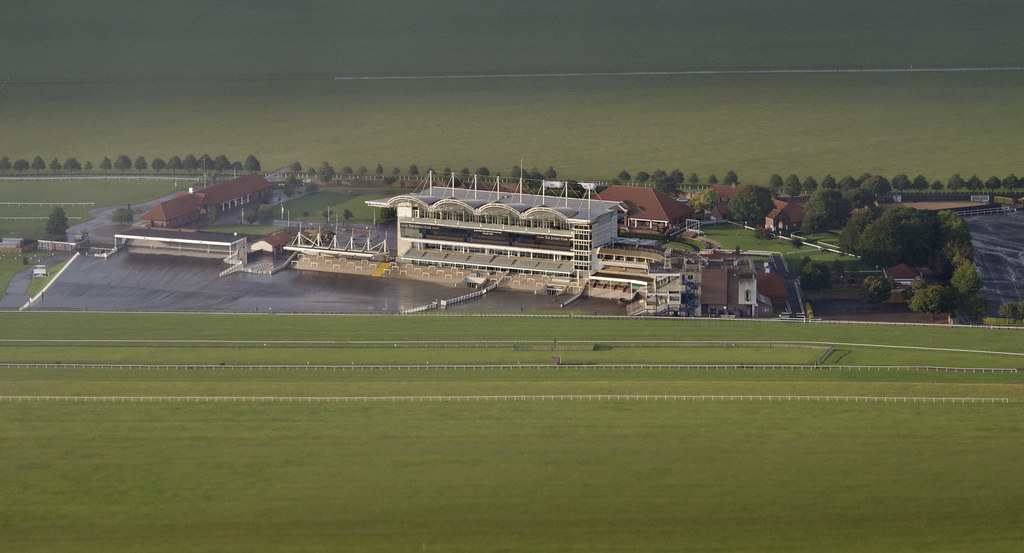

Saturday Feature Day: Two-Year-Olds and Cambridgeshire
This expanded preview complements the race notes above and offers practical analysis for the Royal Lodge, Cheveley Park, Middle Park and the Cambridgeshire handicap.
Read on for form interpretation, ground and draw guidance, staking ideas and responsible-betting reminders to help you follow the card sensibly and knowledgeably.
How to assess form, ground and draw for racing
Accurate assessment combines recent form, race context and track-specific details rather than relying on a single performance or price movement.
Prioritise horses that have shown the right attributes for the race conditions: distance, going, draw and pattern of improvement across starts.
Interpreting two‑year‑old form lines and trials
Two‑year‑old form often comes in small sample sizes, so look for clear progression, decisive margins and how a horse finishes its races rather than isolated placings.
Trials and Group races can overstate raw ability; focus on context such as the level of the maiden or the strength of the Group sprint, plus any step up in trip.
How Group One form projects into future races
Group One performances can signal class, but check the profile — some two‑year‑olds are precocious sprinters who may not stay further, while others improve markedly at three.
Evaluate finishing speed figures, sectional times where available, and how the horse coped with testing ground or a crowded field to judge adaptability.
Assessing sprint form for the Middle Park Stakes
The Middle Park often rewards strong early pace and a high cruising speed, so a recent bold front-running win in a good-quality sprint form is a key positive.
Conversely, late-closing types need clear evidence they can get into the race quickly over six furlongs; inspect previous breaks, gate speed and adaptability to smaller fields.
Trainer and jockey influence on race day outcomes
Trainers with a pattern of winning at a specific meeting or with a particular horse type deserve extra attention, and jockey bookings can be decisive in big races.
Consider jockey form and whether a rider’s recent wins signal peak confidence, but avoid over-weighting short-term hot streaks versus historical record with a trainer.
Reading pedigrees and sire influence on ability
Pedigree is a useful indicator for likely trip and going preference; some sires consistently produce early speed while others contribute stamina and late development.
For two‑year‑olds, a sire with proven juvenile winners increases confidence for early Group races, while an outcross to soft-ground families can be a useful clue for day-to-day conditions.
Ground and going: soft versus good to firm
Going reports matter: a horse that has won on soft or heavy going is a more reliable pick in cut-up turf than one that has only thrived on good ground.
When the card offers races across conditions, adjust your selections to favour proven intangibles such as how a horse handled a heavy finish or ground-related stamina test.
Ground details: check official going reports
Always consult the clerk of the course and official going description close to race time, as rain or drying can shift preferences significantly.
Cross-check recent results at comparable tracks and distances to assess whether a horse’s form line translates to today’s surface.
Draw and pace considerations in big handicaps
In large handicaps like the Cambridgeshire, draw bias and early race shape can materially affect chances; a wide draw can be an advantage or a hindrance depending on track layout and pace.
Analyse recent renewals for trends: whether low or high draws have fared better, and which stalls tend to produce early leaders or closers over the specific trip.
How the draw impacts large field handicaps
On some courses, those drawn high enjoy a clear run into the prevailing bias, while on others a low draw protects from being trapped wide; historical patterns are instructive.
Combine draw analysis with projected pace maps to determine which runners will be advantaged by the expected race shape.
Cambridgeshire past trends and field patterns
Recent Cambridgeshires show successful profiles include proven soft-ground form, a little tactical speed and a mark that’s on a reasonable upward trajectory rather than steep decline.
Age and weight can be important; older horses with course experience sometimes outrun their odds, while lightly raced types need consistent improvement to win large handicaps.
Handicap marks, weights and form interpretation
Look beyond the headline weight to how a horse has carried similar burdens previously and whether the mark has been inflated by one standout run or is a fair reflection of consistent ability.
A modest rise after a narrow win does not rule out another strong performance, but big penalties or long absences demand verification of current ability.
Practical betting strategies for feature day races
Focus on selective stakes: identify a primary bet, a couple of each-way alternatives and small neutral stakes for outrights rather than overtrading across many markets.
Use form filters to narrow fields and avoid chasing long shots on sentiment; disciplined selection and disciplined staking reduce regret and preserve enjoyment.
Setting sensible stakes and stop‑loss rules for races
Decide a staking plan before the card begins, cap maximum exposure and consider flat stakes or small percentage staking to limit volatility on a busy day.
Set loss limits for the session and respect them; treating betting as entertainment rather than income protects bankroll and mental wellbeing.
Money management: staking plans for busy cards
Busy feature days present temptation to increase stakes after near-misses, so adhere to a predetermined unit size and avoid emotional escalation.
Record results to refine a plan over time and allocate a small fixed proportion of your recreational budget to keep betting affordable and enjoyable.
Using bookmaker offers responsibly and safely
Promotions like free bets can provide additional value if used sensibly, but always read T&Cs and be aware of wagering requirements and expiry dates.
If you decide to use an offer, treat it as a way to extend analysis-led betting rather than as an incentive to increase risk or stake beyond your plan.
Practical race-day checklist for punters and viewers
Before backing, check the final declarations, official going, any non-runners, jockey changes and late market moves to ensure your selection remains valid for conditions.
Keep notes on how horses travel and finish to improve future selection, and remember a single card rarely provides conclusive proof of ability or failure.
Responsible gambling and legal reminders for players
This site’s content is intended for readers aged 18 and over; if you are under 18 you must not gamble and should exit this page immediately.
Bet responsibly: set limits, avoid chasing losses and seek help if gambling stops being an enjoyable pastime; organisations such as GamCare can provide advice and support.
Where to find comparative bookmaker information
When considering which bookmaker to use, compare prices, free-bet terms, minimum stake requirements and payment options rather than picking solely on headline offers.
You can explore current bookmaker offers through our comparison tools if you choose to bet responsibly and within your limits.
Daily learning: improving race reading over time
Successful race-reading comes from consistent review, noting how specific trainers, sires and jockeys perform across similar conditions and taking small lessons each weekend.
Keep an eye on data such as sectional times and finishing positions and build a personal reference file of tendencies to improve your long-term selections.
Final notes on following the feature card
Feature days like this reward preparation and calm decision-making; enjoy the spectacle and use the racing as a chance to practise thoughtful selection without pressure.
Remember that uncertainty is intrinsic to sport and that sensible stakes and a clear head make following racing more enjoyable and sustainable.
You can explore our recommended bookmaker free bet offers for new customers at https://bestofbets.com/free-bets if you choose to bet responsibly.
Our casino bonus page lists affiliated casino sign-up promotions and details at https://bestofbets.com/casino-bonus for anyone interested in those offers.
Frequently asked questions on race day betting
Am I eligible to bet if I live in the UK?
You must be 18 or over and comply with UK laws and bookmaker verification procedures to place bets.
Always provide accurate personal information and consult the bookmaker’s terms if you are unsure about eligibility.
How should I use form to select horses?
Use form as a guide, prioritising recent performances, the level of races contested and how the horse finished rather than raw finishing position alone.
Combine form with ground, trip and draw analysis to create a rounded view of each contender.
Should I follow trainer and jockey trends?
Trainer and jockey form can be influential, particularly for specific race types and meetings, but avoid relying on trends without matching them to the horse’s profile.
Weigh recent stable form alongside individual records to make balanced selections.
Are bookmaker free bets safe to use?
Free bets are safe when used with reputable, regulated bookmakers and when you read the terms and conditions that apply to expiry and payout rules.
Use such offers to add value to careful bets rather than as an incentive to exceed your staking plan.
How do I manage my betting bankroll responsibly?
Set a clear budget, stake only a small percentage per bet and use loss limits to prevent bets from affecting other areas of your life.
If betting stops being fun or you find yourself chasing losses, seek support from recognised gambling help services.
Where can I find more offers and resources?
Our site lists bookmaker free-bet comparisons and casino bonuses for new customers; always review each offer’s terms and prioritise regulated operators for safety.
Use those resources as tools to compare value rather than reasons to increase your stakes or take on more risk.