

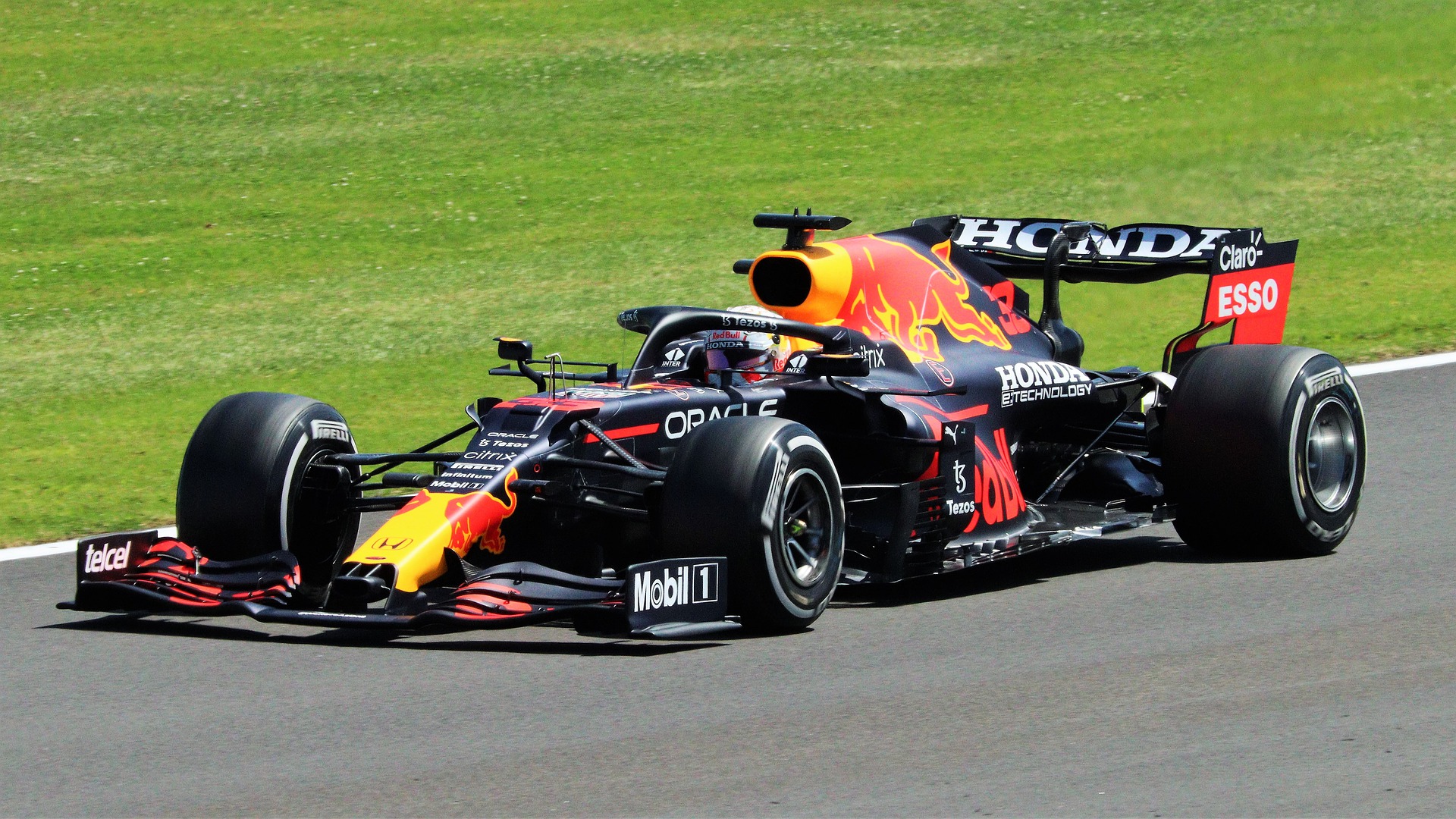

Abu Dhabi Grand Prix odds and championship outlook
How the Abu Dhabi result decides the title
The Abu Dhabi Grand Prix is the season finale where race finishing positions will directly determine the 2023 Drivers’ Championship between Lewis Hamilton and Max Verstappen. With both drivers level on points going into the race, the final classification in Abu Dhabi will decide the title unless race officials alter results through penalties.
Abu Dhabi GP odds Implied Probability Championship odds
Lewis Hamilton 10/13 56.52% 5/9
Max Verstappen 18/10 35.71% 8/5
Valtteri Botas 12/1 7.69% N/a
Sergio Perez 35/1 2.78% N/a
Charles Leclerc 70/1 1.41% N/a
Lando Norris 70/1 1.41% N/a
Carlos Sainz 90/1 1.10% N/a
Another aspect of this race that has some people buzzing prior to Sunday’s finals is that if neither driver was to finish, Verstappen would win. So, in theory, Verstappen could purposefully crash out Hamilton and himself to claim the Drivers’ Championship.
However, F1 has already come out and said to remember that they may penalise drivers by taking points away from them, and wouldn’t hesitate to do so if a driver was to purposefully take another out.
Earlier in the week, the F1 odds had Hamilton at 5/9 to win the Abu Dhabi Grand Prix. Now, just a few days later, those same odds have him at 10/13.
At 5/9, Hamilton’s implied probability was 64.3% whereas now, Hamilton’s implied probability is 56.5% with his latest 10/13 odds, which suggests that following yesterday’s qualifying bookmakers have clearly started to like Verstappen’s chances.
As for the Drivers’ Championship, Hamilton’s odds are souring too; although he remains the bookies favourite, he’s odds have gone from 1/2 to win the Championship earlier in the week to 5/9 as of this morning.
Interpreting bookmaker odds and implied probability
Bookmakers convert market demand and known race factors into odds that reflect implied probability, so when Hamilton moves from 5/9 to 10/13 this shows markets and traders perceiving a change in likelihood rather than certainty. Implied probabilities are useful for comparing value across markets, but they should never be treated as guarantees.
Understanding the margin that bookmakers include is important when assessing value, because raw implied probability will overstate actual likelihood once the bookie’s overround is removed. Bettors should therefore consider multiple firms’ prices, compare implied probabilities and factor in objective performance measures before staking.
How bookies set lines and adjust markets
Bookmakers set initial lines using models that account for driver form, qualifying performance, circuit characteristics and weather, then alter odds in response to staking patterns and new information. Rapid shifts after qualifying or team announcements typically indicate a reassessment of likely race scenarios by traders.
Sharp money from professional bettors or syndicates can move markets quickly, but retail activity also affects prices and can create short-term opportunities where value appears. Comparing back and lay prices across exchanges and bookmakers helps identify where a bookmaker’s price offers comparative value.
Key race-day factors that could influence results
Qualifying position, race starts, safety cars and pit-stop execution are primary determinants of race outcomes at Yas Marina, and any one of these can dramatically change the finishing order in the closing laps. With the title on the line, teams often prioritise conservative strategies that reduce risk while keeping a chance of victory.
Mechanical reliability and team orders must also be considered, as the potential for a technical failure or instructions from the pit wall can directly impact both drivers’ championship prospects. Punitive penalties from the stewards for on-track incidents may retrospectively alter finishing positions and therefore the title result.
Tyre strategy and pit-stop timing impacts
Tyre selection and the timing of pit stops can make or break a race; Yas Marina offers multiple viable strategies and teams will react to the safety car and rival moves to find the optimal window. Effective tyre management from a driver who can extend stints often yields late-race pace advantage in closing laps.
Teams monitor tyre degradation and performance data in real time, and a perfectly executed pit stop or a well-timed undercut can gain crucial track position. Bettors should review team tyre pace data and recent pit-stop metrics when assessing pre-race markets for value.
Weather, track evolution and session variables
Although Abu Dhabi usually provides stable conditions, track evolution between sessions affects grip levels and lap times, and a late changeable condition would be a major factor in market movement. Wind, temperature and sunset timing can vary tyre behaviour and aerodynamic performance during the race.
Session-specific incidents in practice or qualifying can also reveal vulnerabilities that alter the expected pecking order for the race; a single red-flag or mechanical issue during practice should be weighted when considering odds moves. Check final weather and team updates before placing a bet.
Popular F1 betting markets and how to use them
Outright winner, podium finish, head-to-head matchups and fastest lap are the most commonly traded F1 markets and each offers different risk profiles suitable for varied staking strategies. Outright bets reflect final finishing positions, while head-to-head markets compare two drivers over the race distance and can offer narrower risk.
Fastest lap and stage markets are more specialist and often depend on late-race pit stops and fuel strategies, so they can present value for bettors who follow team tactics closely. Combining a knowledge of strategy with market selection helps identify opportunities without inflating stake sizes.
Outright, podium and head-to-head markets
Outright markets are straightforward but often carry a heavy overround on favourites, whereas podium bets spread risk across the top three and can offer better value for competitive races. Head-to-head markets remove the complexity of multiple rivals and focus on a direct comparison, which can be easier to assess using recent form and qualifying results.
When backing a favourite in an outright market, consider whether the price permits a reasonable stake under your bankroll plan; conversely, smaller stakes on long-shot podium or fastest-lap bets can be acceptable within a diversified strategy. Always treat each market independently and avoid staking more than you can afford to lose.
Analysing recent form and qualifying performance
Recent race pace, qualifying trim and the number of wins used for tiebreakers are all key when the championship is tied on points, because tiebreakers can determine the title if finishing positions match. Verstappen’s extra race win compared with Hamilton means he holds the season tiebreaker, which is a crucial contextual factor for bettors.
Instead of relying solely on headline odds, assess lap time consistency, sector performance and tyre stint lengths from practice and qualifying sessions to form an independent view. Historical performance at Yas Marina and team reliability statistics throughout the year should be incorporated into any considered market position.
Drivers season statistics to consider before betting
Important statistics include number of wins, podiums, pole positions, average qualifying place and race retirement frequency, all of which give a quantitative basis for market comparison. Drivers with high finishing consistency often outperform when a race becomes attritional, which is relevant for championship-deciding rounds.
Review team reliability records and component-change histories, as grid penalties or forced replacements can change the expected grid order and therefore the dynamics of the race. Use statistics to inform a probability view rather than as a substitute for market prices.
Qualifying performance versus race results
Qualifying performance is a strong indicator of single-lap speed and likely starting advantage, while race results reflect strategy, tyre management and in-race adaptability; both should be weighed when assessing markets. A driver who can consistently convert strong qualifying into race results offers a more reliable bet in outright and head-to-head markets.
Some circuits allow overtaking more easily, reducing the value of pole position, whereas others reward grid position heavily; consider Abu Dhabi’s layout and recent overtaking statistics in your assessment. Where qualifying suggested a shift in odds, confirm with practice data and team communications to validate that movement.
Responsible wagering guidance for F1 betting
Betting is for people aged 18 and over only; if you are under 18 you must not participate and should seek appropriate help or advice. Always set a betting budget, use stake limits, and avoid chasing losses; gambling should be a form of entertainment, not a way to make money or resolve financial problems.
If you have concerns about your gambling, please consider tools such as deposit limits, time-outs and self-exclusion offered by bookmakers, and seek support from recognised advisory services. You can explore bookmaker comparisons through our tools if you choose to bet responsibly, and remember that odds can change quickly so only bet what you can afford to lose.
You can explore current bookmaker offers through our comparison tools if you choose to bet responsibly: BestOfBets free bets. For new casino customer bonus listings and offers you can view our affiliated page here: casino bonus offers.
Frequently asked questions on Abu Dhabi GP odds
How do the odds reflect the championship tie at Abu Dhabi? Bookmakers price in the head-to-head scenario and likely finishing order, so odds on Hamilton and Verstappen reflect both market sentiment and the tiebreaker context; implied probabilities are helpful but not definitive. Betting is for 18+ only and should be undertaken responsibly.
Why did Hamilton’s odds shorten then lengthen before the race? Odds adjust to information such as qualifying results, practice data, and large stakes from punters; a shift from 5/9 to 10/13 signals market reassessment rather than any guaranteed outcome. Always compare prices and check bookmaker terms before placing a wager.
Can a non-finish by both drivers hand Verstappen the title? Yes, if neither driver finishes and points remain tied, the tiebreaker of race wins would hand the championship to Verstappen, which is why some commentators discuss extreme scenarios. Remember, gambling involves risk and is not a means to financial security.
Should I consider head-to-head markets instead of outright bets? Head-to-head markets can reduce complexity by comparing two drivers directly and often provide clearer value if you have a strong read on qualifying and race pace. Treat any bet as entertainment and do not stake beyond your preset bankroll limits.
How do penalties or post-race stewarding affect bets? Post-race penalties can change finishing positions and therefore the outcome of bets, depending on a bookmaker’s settlement rules, so always check each bookmaker’s terms regarding steward decisions. Be aware that outcomes may be adjusted after the race and settle accordingly.
Where can I compare the best bookmaker prices for this race? Our bookmaker comparison tools list current odds and offers to help you find competitive pricing, and they include information on free bets and sign-up promotions for new customers. If you choose to bet, ensure you are 18+ and use responsible gambling controls.
What is the safest way to approach betting on a title-deciding race? The safest approach is to set a small, pre-determined stake, compare odds across several bookmakers, and focus on markets you understand, such as head-to-head or podium finishes, rather than chasing unlikely long shots. Gambling should remain recreational and never viewed as guaranteed income.