

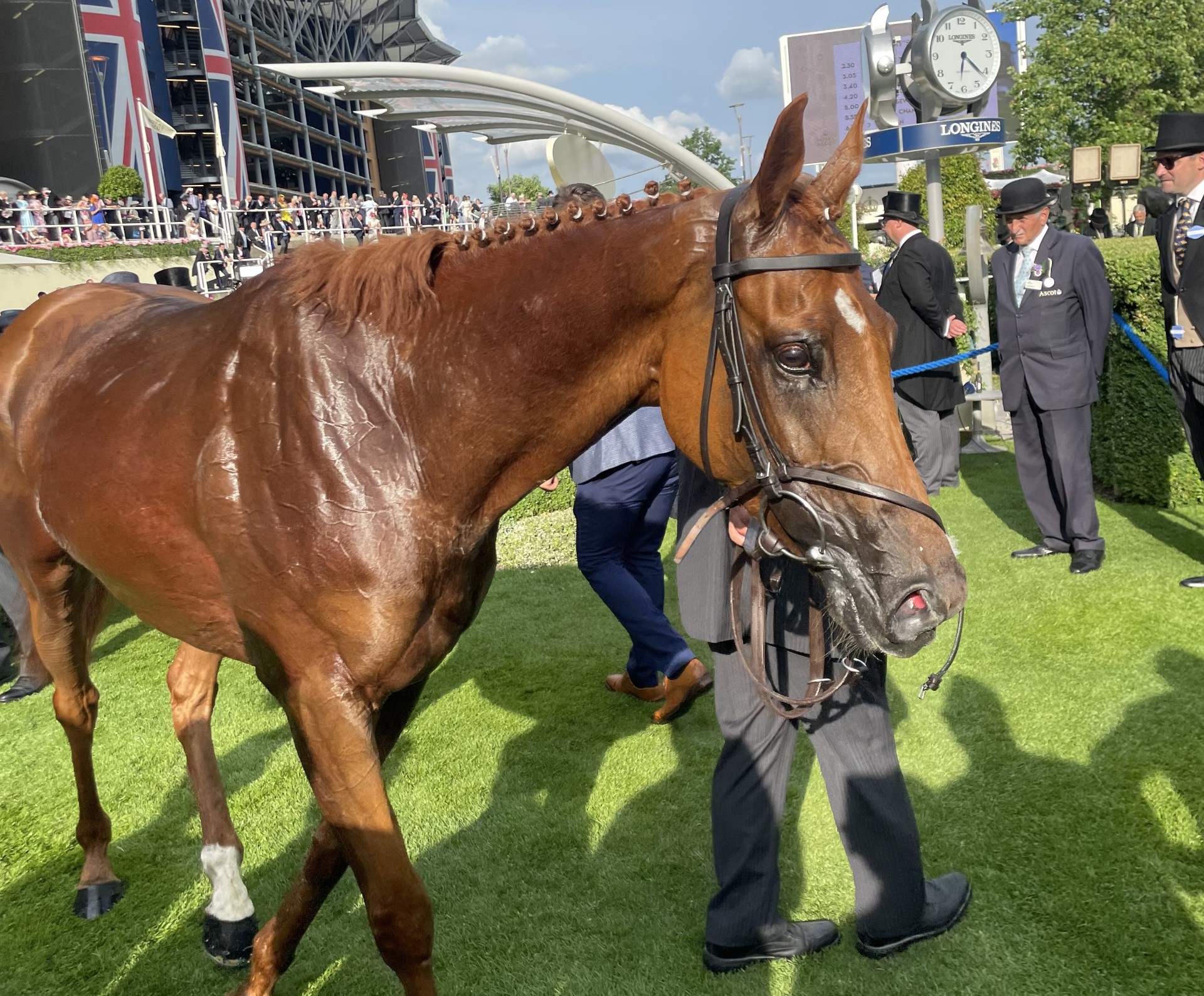

Royal Ascot Day 5 Analysis and Betting Thoughts
This expanded piece complements the original Day 5 selections and provides practical context on form, stakes and race interpretation to help you assess Wellington, Orazio and Knockbrex. Please note that betting and gambling are for people aged 18+, and you should always gamble responsibly.
Form, Odds and Each-Way Value Explained for Ascot
Understanding how recent form, race grade and market odds interact will help you identify genuine each-way value versus speculative prices that rarely pay off. Keep staking sensible, avoid chasing losses and treat tips as information to support your own judgement rather than a promise of returns.
Why Hong Kong sprinters often handle Ascot conditions
Hong Kong-trained sprinters like Wellington are tested on quick, firm turf and sharp speed circuits, and many travel well because they learn to cope with strong early pace and fast surfaces. When planning a bet on an international runner, check the horse’s seasonal prep, how it handles travel and whether the confirmed ground suits its previous form.
Assessing Orazio’s recent form and handicap mark
Orazio’s course and distance success followed a pattern of improvement that points to a horse peaking for this week, and a mark of 102 still looks competitive for a lightly penalised colt. Consider the trainer’s record with similar horses, recent recovery from setbacks, and whether the rider and draw support a anticipated run.
Knockbrex pedigree, running style and race fitness
Knockbrex carries the Ulysses-to-Pivotal cross that has produced useful types and showed strong tactical speed at York without the benefit of a late push to win. When a horse has previously made all before being caught late, fitness and a positive ride can make the difference in a race run at a true gallop.
How stall draw and race shape affect sprint handicaps
Stall positions and projected race shape matter more in big-field sprints than in small races, because early position and lane bias influence the chance of getting a clear run. Review previous Ascot sprints for draw trends, day-of-track bias and how open the gate is for the likely pace horses in each race.
Interpreting market moves and trainer support at Ascot
Market moves on the morning of the race can reflect bookmaker sentiment, but strong money from respected shops or consistent shortening across accounts often signals genuine support. Cross-check market moves with trainer patterns, rides changes and stable comment to separate tactical support from random price fluctuations.
Practical staking and bankroll rules for high-profile meetings
Use a written staking plan for major days such as Royal Ascot, committing only a fixed percentage of your betting bank to any single selection and reducing stakes after losing runs. Avoid stake inflation after losses, and if a selection is labelled win-only, reflect that in your stake size rather than upgrading risk to chase recovery.
Interpreting weight and draw in big sprint handicaps
Weight carries different significance depending on whether a horse races prominently or comes from off the pace; in big fields a few pounds are important but not decisive on their own. Consider weight in combination with the rider’s tactical plan and the horse’s reliable ability to either lead or sustain a finish from midfield.
How to read recent form lines and course figures
Look beyond finishing positions and study the style of those performances, sectionals where available, and whether the form has subsequently worked out in other races. Course figures that show repeat winners or consistent placings at Ascot should be given extra weight when evaluating a contender’s chance.
Choosing bookmakers and finding reliable each-way terms
Compare each-way terms across reputable UK bookmakers to identify the best value, but do so responsibly and avoid opening unnecessary accounts purely to chase marginal gains. Remember that better terms do not turn a poor selection into a good one, so match the terms to your expected chance and staking plan.
Reading race replays to confirm form strengths and weaknesses
Race replays reveal how form lines were produced, whether a horse was blocked, ridden out or simply outpaced, and these details are essential when deciding between horses with similar official ratings. Always watch finishing speed and closing momentum as part of your final assessment for races with tight finishing orders.
Tracking trainer and jockey patterns over a meeting
Trainers and jockeys go through phases across a festival where form and confidence ebb and flow, so factor in short-term patterns when planning bets at Ascot. A yard’s strike-rate, veterinary check comments and whether a stable has targeted a particular race can all signal a more considered chance from a selection.
Using weather and going forecasts to adjust selections
Late changes in the going can materially affect sprint outcomes, and international runners that excel on firm ground can become unreliable if rain softens the turf. Monitor the official going close to post time and have contingency plans if a key selection prefers a different surface.
Evaluating each-way strategies for large handicap cards
Each-way value sits at the intersection of price, likely place terms and a horse’s realistic chance of finishing in the frame; large handicap cards tend to reward carefully selected each-way punts rather than broad coverage. Limit the number of each-way tickets to those where the price compensates for the probability of finishing in a recognised place.
How to adjust expectations after losing streaks in tip series
Losing runs are a normal part of any tip series and are best handled by reviewing selection criteria, stake sizing and whether variance or a change of approach is required. Keep records of stakes and returns to understand long-term ROI and to avoid overreacting to short-term fluctuations.
What to watch in-running for Ascot sprint handicaps
In-running watching is valuable at Ascot because horses that get boxed in or denied a run often lose the race by little, and in-play value can appear for horses expected to get a clear route. If you trade in-running, stick to pre-defined exit points and do not chase marginal recoveries after the race has moved against you.
Common questions about these Ascot selections and betting
Below are concise answers to common queries about the selections and sensible betting practice for Royal Ascot Day 5.
Are these tips suitable for casual Ascot bettors?
The tips provide a knowledgeable starting point but are informational only, so casual bettors should only stake what they can afford and consider smaller units if unsure. Remember that gambling is for people aged 18+, and responsible play is essential.
How should I size stakes after recent losing runs?
Stick to your original staking plan and avoid increasing stakes to recover losses, as this often leads to larger deficits; consider temporary stake reductions until form stabilises. Consistent, conservative staking helps protect the betting bank through inevitable downswings.
What makes Wellington a credible each-way contender?
Wellington arrives with high-level sprint form from Hong Kong and a race style that can translate to Ascot’s quick test, while the price may offer fair each-way value for a proven international performer. Check race fitness and how well the horse has handled travel before committing to a stake.
Why is Orazio selected as a win-only bet for the Wokingham?
Orazio’s profile points to a win prospect given recent course form, but yard strike-rate and the nature of big handicaps make an each-way play less secure, hence a win-only stance aligns with the assessed risk. If you prefer insurance, reduce the win stake rather than converting it to an each-way at full size.
Does Knockbrex carry scope to handle the 6f test at Ascot?
Knockbrex has shown speed and the ability to make a strong run over similar trips, and his pedigree suggests he can cope with Ascot’s demands if ridden to his strengths. Evaluate how he settles in the early stages and whether the pace scenario allows front-running tactics to succeed.
How can I compare bookmaker each-way terms effectively?
Look for consistency in the number of places paid and the fraction of the odds offered, then balance that against reliable bookies’ reputations and available promotions. Use comparison tools to avoid account proliferation and choose the best single-value option for your level of confidence.
What responsible gambling steps should bettors take today?
Set a strict budget, use staking rules, and never bet to solve financial problems; if you feel your betting is becoming harmful, seek support from UK resources such as GamCare. Only bet if you are 18 or over, and remember that tips are informational guidance, not guarantees.
You can explore current bookmaker free bet offers and compare terms on our free bets page at https://bestofbets.com/free-bets to see up‑to‑date sign-up promotions. If you are interested in casino bonuses, browse our curated offers for new customers at https://bestofbets.com/casino-bonus.