

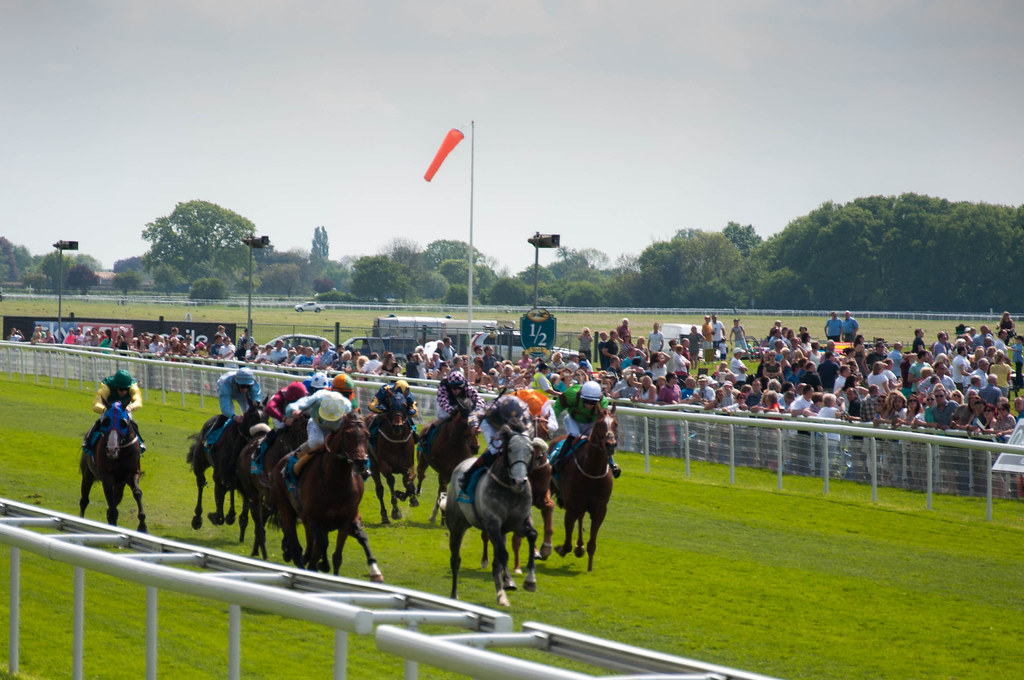
York and Newbury key tips, markets and advice
Practical betting approach for Dante and Lockinge week
This week’s cards at York and Newbury present several wagering opportunities and clear handicapping tests for form readers and value seekers alike.
All guidance below is for over-18s only; please gamble responsibly and view betting as entertainment without expecting guaranteed returns.
Assess ground, weather and going comments at York
Check the official going updates and forecast rain or shine as the Dante meeting can be influenced heavily by a drying or softening surface.
Adjust selections for horses that have shown clear preferences for soft, good-to-soft, or fast ground and be wary of recent form on markedly different going.
Form lines and recent runs to focus on at York
Prioritise horses with clear consistency at similar trips and courses, and give extra weight to seasonal reappearances that produced competitive efforts last year.
Look beyond raw finishing positions to note margins, race tempo and whether a horse finished strongly or weakened late when assessing form relevance.
How to read early-season three-year-old handicaps
Early handicaps for three-year-olds often contain horses that have improved markedly from two to three, so pedigree and physical maturity are key indicators.
Pay attention to trials, schooling reports and work-riders’ notes where available, since these can reveal which juveniles have trained on and are ready to handle a handicap mark.
Pedigree, stamina and distance suits for The Foxes
Assess whether the sire and dam suggest further improvement over middle distances, as full and half-siblings with stamina influences often step forward at three.
For horses like The Foxes, a pedigree that points to 1m2f or beyond is useful supporting evidence when combined with a strong juvenile season or a promising reappearance.
Market timing, ante-post risks and value hunting tips
Ante-post markets can offer value but carry the risk of non-runners and lost stakes; use small stakes and accept the trade-off between price and certainty.
When prices shorten suddenly, reassess whether the market move reflects genuine new information or simply bookmaker reaction and bet size pressure.
Staking plans, bankroll tips and sensible limits
Adopt a flat-percentage staking approach so each selection represents a small, consistent portion of your betting bank and reduces the impact of variance.
Set daily and weekly limits, avoid chasing losses, and never stake more than you can afford to lose; treat bets as discretionary entertainment rather than income.
Sprint handicaps: pace maps, draws and tempo clues
Five-furlong sprints such as the Lindum York Handicap turn on early speed and draw/track bias, so map likely leaders and closers before backing each horse.
Watch for horses with proven quick gate speed and those that have performed over the same track and straight course layout, as they have an adaptation advantage.
In-running strategy and when to hedge or hold
Decide pre-race whether you are backing a horse to win outright or for each-way value, and consider live-market moves before committing more stakes in-running.
If a selection makes a bad break or races wide but shows late momentum, weigh up the odds offered in-running against the original stake and your tolerance for variance.
Understanding conditions at Newbury for the Gold Cup contest
Newbury’s right-handed galloping track asks for balance and stamina in mid-distance handicaps, making previous course form and long finishes relevant indicators.
Account for the five-furlong run to the winning post and any undulations that can favour a horse that finishes with a sustained gallop rather than a short burst.
How to parse trainer and jockey patterns at Newbury
Note which trainers target Newbury with specific types of horses and which jockeys have a strong record around the course, as these patterns often repeat across seasons.
Stable form and jockey bookings can be an extra layer of evidence when two horses have similar form lines; a positive trainer-jockey connection can justify small extra stakes.
Compare bookies: where to look for best value
Different bookmakers will offer marginally different odds, markets and promotional terms, so keep a shortlist of firms you trust and compare prices before placing a bet.
Factor in terms such as void-if-non-runner, bet withdrawal rules and how free-bet credit appears in the market to understand the true value of an offer.
Assess free bets and sign-up offers responsibly
When evaluating sign-up promotions, read the small print on wagering requirements, minimum odds and eligible markets so you know the realistic value to expect.
Use bookmaker comparison tools to find the offers that best suit your preferred markets and remember that offers are optional; don’t open multiple accounts solely for short-term gain.
Practical in-play tips for Lockinge and related contests
In-play opportunities often arise on changing pace scenarios and when favourites fail to travel; keep an eye on fractional odds shifts early in the straight.
Have a clear exit plan before the race starts and avoid instinctive top-ups based on emotion; disciplined in-play choices help preserve your bank over the long run.
How to read weight-for-age and allowance effects
Weight concessions and allowances can be decisive in tight Group and handicap races, so quantify their likely impact by comparing similar historical matchups.
Remember that three-year-olds carrying less weight against older rivals may improve rapidly, but allowances are not a guarantee and should be paired with form evidence.
Recording results and learning from each race day
Keep a short log of your selections, stakes and outcomes to identify strengths and weaknesses in your process over a sample of race meetings.
Review races where you were beaten to understand whether the margin was down to luck, conditions, draw, or an error in your initial assessment of form.
You can explore current bookmaker offers and compare available free bets on our dedicated page to find responsibly presented options for new customers: BestOfBets free bets and sign-up offers.
We also list casino bonus offers for those interested in casino promotions, with clear terms and guidance to help you decide responsibly: BestOfBets casino bonus offers.
FAQs about betting on York and Newbury this week
Who should consider betting on these race meetings?
Only people aged 18 or over should bet; consider these meetings if you enjoy studying form and accept the inherent risks in wagering.
How do I identify value in ante-post Dante markets?
Use a small ante-post stake and compare early prices across multiple bookies, taking into account likely non-runner risk and any new information before the race.
What should I look for when backing sprinters in the Lindum Handicap?
Focus on proven speed, recent sprint form, and any course-specific run style advantage; a fast break and straight-course experience are useful traits.
Are in-running bets recommended for these contests?
In-running can offer value if you have a pre-defined plan and fast access to markets, but avoid reactive betting and keep stakes modest.
How important is trainer form when selecting an each-way horse?
Trainer strike-rates and patterns at specific tracks are informative; combine them with the horse’s course and distance form for a balanced view.
What staking approach suits festival weeks with many races?
Adopt a percentage-based staking method, set per-day loss limits, and resist increasing stakes after a run of defeats to protect your bankroll.
Where can I compare bookmaker odds and offers safely?
Use reputable comparison pages like our free bets section to check odds and terms, and always read the small print before claiming any promotion.
Who can I contact if I have concerns about gambling?
If you are worried about gambling, seek help via organisations such as GamCare and GamStop; remember gambling should not be a solution to financial problems.