

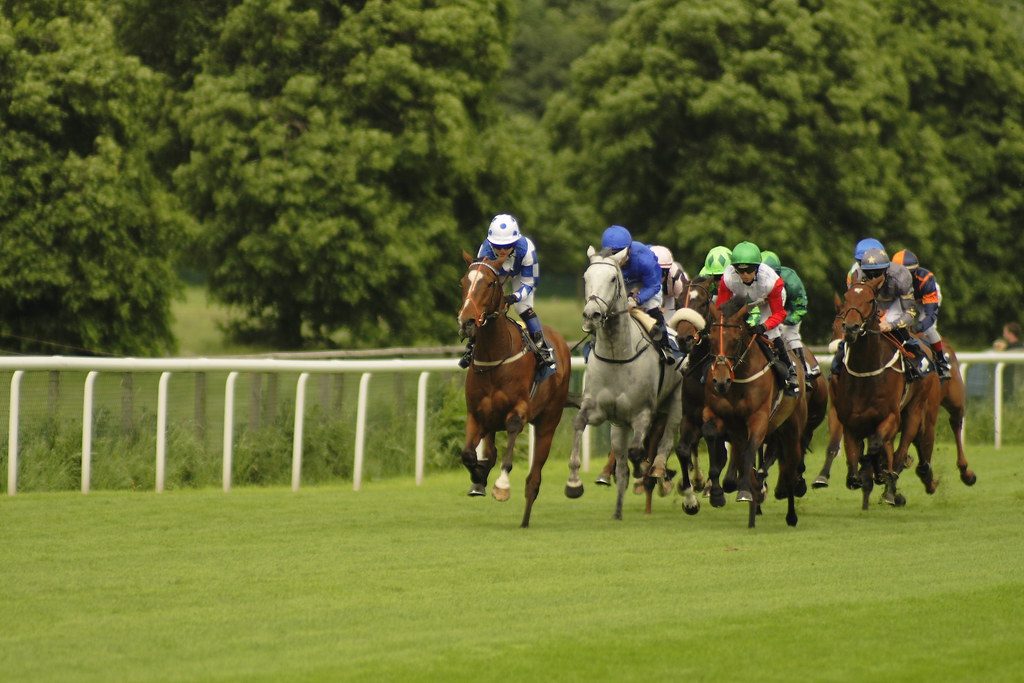

Doncaster Lincoln Weekend: Expert Ante-Post Analysis
This expanded preview complements the original race-by-race thoughts and offers deeper form context for the Lincoln weekend, focusing on weights, ground, trainer patterns and sensible ante-post approaches. Betting information on this page is for readers aged 18+ only and aims to encourage responsible gambling at all times.
Key form and track factors for Lincoln day
Doncaster’s Lincoln is a unique handicap where draw, early pace and the prevailing ground can significantly alter prospects, so assessing recent course form and quick speed maps is important for ante-post thinking. Consider how soft or quicker going will interact with runners’ recent performances and allow for non-runners when sizing stakes for the weeks before declarations.
Fast Response: weight, ground and race fitness analysis
Fast Response’s course-and-distance win on heavy suggests she handles cut in the ground and her four-year-old allowance plus the three-pound penalty need to be weighed against the quality of her previous rivals. At ante-post prices, form versus class and the reliability of her race-day gate speed are the two core factors that make her appeal for a modest each-way interest rather than full stakes.
Weights, penalties and fillies allowances explained
Fillies receive a five-pound allowance which can be decisive in sprint handicaps, but penalties for recent black-type wins reduce theoretical value and must be balanced with the weight the opposition carries. When ante-posting, calculate the net effective weight after allowances and penalties to see if the market price compensates for suspected disadvantages.
Saga’s recent form, gelding impact and trainer notes
Saga’s winter gelding operation and a falling mark to 102, combined with the three-pound claim for Benoit De La Sayette, make him an intriguing ante-post option if the expected softer going arrives at Doncaster. Compare his runs into higher-class horses last season and note the Clarehaven main-track pattern, as the yard often produces fit, progressive handicappers for the spring campaign.
Gosden stable trends and jockey claim impact
John and Thady Gosden have a clear pattern of targeting the Lincoln with older horses that have run into high-class performers at two and three, so pedigree and previous season targets matter for race-readiness expectations. Jockey claims reduce a horse’s official burden and can close the gap on likely stablemates, so always adjust ante-post valuations to reflect those headgear and claim dynamics.
Sleeping Lion and all-weather patterns at Kempton
Sleeping Lion’s affinity for Kempton and previous course wins make him a credible each-way pick on the all-weather card, where speed persistence and experience over tight turns often trump raw peak pace figures. On the all-weather, form cycles can carry over into turf early in the flat season, so monitor how similar AW performers fare when moved back to turf in the opening weeks.
Kempton all-weather biases and draw considerations
Kempton’s five-furlong and mile tracks show distinct pace biases which favour horses that can settle and finish, so a runner with a strong late sectional record will often be advantaged in far-turn finishes. When ante-posting for AW cards, consult recent AW champion series results and note whether inside or outside draws have been consistently rewarded over the last month.
Ante-post strategies: stakes, each-way and market timing
Ante-post betting should be treated as a long-term plan where a portion of your bankroll is allocated to higher-risk value shots while keeping the majority for nearer-to-run markets or in-running options. Use conservative stakes, prefer each-way terms where available, and be ready to hedge or reduce liability after declarations rather than chase short-term market moves.
How to approach each-way stakes and market moves
Each-way bets are a cornerstone of ante-post approaches in big handicaps, as they reduce variance while offering upside if the horse runs into a place, especially when early market support is thin. Track bookmaker terms for bigger fields because improved each-way places or extended price concessions can transform a marginal ante-post play into a sensible long-term hold.
Weather and going forecasts to monitor before betting
Keep weather forecasts and course reports under regular review in the days and hours before Lincoln declarations, as a change from good to soft or vice versa can materially change the race shape and who is favoured. Ante-post stakes should reflect your tolerance for going risk: reduce liability if you cannot accommodate a significant shift in expected ground.
Market movers: when to act and when to wait
Markets often adjust when big-name trainers confirm entries or when jockey bookings appear, so an early move can signal an inside view that is worth weighing against public money and stable patterns. Waiting can be prudent for those who prefer to assess fitness indicators at the final declarations stage, but this forfeits some ante-post value if a market tightens dramatically.
Risk management and sensible staking for ante-post bets
Sensible staking plans limit losses while allowing for long-term profit potential; many experienced ante-post players use a fixed-percentage or banded staking approach to manage exposure across multiple races. Never stake more than you can afford to lose and keep a written log to review what market entries and selection criteria worked over a season.
Monitoring declarations, non-runners and alternative plans
Declarations day often reshapes fields and can create opportunities on consolation races or alternative targets, so have a flexible plan that outlines which runner or race you will switch to if your ante-post selection is a non-runner. Some horses will revert to softer-targeted contests like the Spring Mile should they be excluded from the main Lincoln, and knowing those backup options helps preserve your ante-post value.
How to use each-way terms and calculator logic safely
Understand bookmaker each-way terms and use an odds calculator to compare payouts across varying place terms and field sizes so you can make informed ante-post decisions rather than relying on headline prices alone. Always factor in the likelihood of full fields and non-runners when estimating prospective returns, and keep stakes modest enough to withstand market volatility.
Responsible gambling advice and practical bankroll checks
Set clear limits, never chase losses and ensure betting is a form of entertainment rather than a way to solve financial issues; if you are concerned, seek help via UK support services and tools provided by licensed operators. Regularly check that your total ante-post exposure is a small proportion of your overall bankroll and use bookmaker self-exclusion or deposit-limits if necessary to keep activity manageable.
You can compare current bookmaker free bet offers on our free bets page to see the terms and available promotions before deciding whether to place a bet. For those interested in casino offers, you can also view the latest new customer casino bonuses on our casino bonus page.
What should I check before backing a Lincoln contender?
Check recent course form, the likely going, the declared weights after allowances and any changes in stable or jockey arrangements. Confirm whether the horse handles the expected ground and whether any penalties meaningfully alter the effective weight compared with rivals.
How important is ground and weather when ante-posting?
Ground and weather are vital in ante-post bets because they can completely change a horse’s chance between the date you bet and race day. If you are uncomfortable assessing going risk, reduce stakes or favour horses with proven versatility across different surfaces.
Where can I compare bookmaker free bets and offers safely?
You can review current bookmaker free bets and their terms on our free bets comparison page to find deals that suit your ante-post approach. Always read wagering requirements and expiry terms and use promotions as part of a disciplined staking plan.
What staking plan suits ante-post and each-way bets?
A fixed-percentage approach or graded band stakes system helps manage risk while allowing you to back a portfolio of ante-post selections. Keep each ante-post position as a small, pre-defined portion of your bankroll to avoid outsized exposure to long-term markets.
How do non-runners and declarations affect ante-post bets?
Non-runners can reduce or void liability depending on your bookmaker’s rules and affect the race shape and place terms; check operator policies for replacement or refund rules. Monitor declarations and be ready to switch focus to an alternative race or horse if your main selection is withdrawn.
Is ante-post betting suitable for casual punters?
Ante-post betting can be suitable for casual punters who understand the increased risk and are prepared to stake small amounts for longer-term value. Prioritise responsible limits and treat ante-post as a speculative part of a broader, well-managed betting plan.