
When families back children with long-term football bets
Families placing long-term bets on a child’s football future is a niche but recurring story in UK sport culture and betting circles.
This article examines how those bets work, why bookmakers offer such markets, and what responsible families should consider before placing speculative wagers.
Understanding long-term football bets placed by relatives
Futures markets on young players are often marketed as novelty bets and can attract attention when a youngster shows unexpected promise.
Bookmakers set long odds on distant outcomes, and some relatives have accepted the risk for a potential large return many years ahead.
In the United Kingdom, it is every parents’ dream to see their child make it big as a footballer. As a matter of fact, it is pretty common for them to take a punt on their children with the odds of them making it to club football or even the national team. Ladbrokes, an online bookmaker revealed in 2012 that they receive thousands of requests each year, while they offer fixed odds on any child under six to the count of 1000-1 to play for England and 500-1 to play in the Premier League. BestofBets takes a look at 5 such footballers whose families placed long-term bets on their career.
5 footballers whose families placed long-term bets on their career
- Kai Fifield:
Northampton based youngster Kai Fifield was on holiday in Barcelona in 2011 when he came across an academy game after his tour of the Camp Nou and asked to join in.
He was given the chance out of the blue and he went on to play alongside Barcelona youngsters before being offered a trial.
Bookies immediately took notice of this instance and slashed odds of the seven-year-old playing for England to as low as 50/1. Bookies also offered odds of 250/1 to play for Spain. - Ryan Tunnicliffe:
English midfielder Ryan Tunnicliffe was playing for Manchester United’s youth team. His dad managed to place a bet with odds of 100/1 on his son featuring for the first team. The bet earned him £10,000 in 2012.
His dad played an additional bet of £100 on him playing for the England national team at 350/1, although we’re not sure that would happen. - Chris Kirkland:
Former Liverpool goalkeeper Chris Kirkland‘s father placed a collective bet of £98.10 with a few people claiming that his son will play for England before the age of 30.
12 years later, Kirkland played the second half of a friendly for England against Greece. As a result, his father’s group won just short of £10,000. That was his one and only appearance for his country. - Harry Wilson:
Former Liverpool youngster Harry Wilson helped his grandfather earn an incredible £125,000. This happened when he became Wales’ youngest ever international on his national team debut in 2013.
Odds of 2500/1 were given on Wilson playing international football and his old man bet £50 on his grandson.
Wilson now remains an integral part of the Welsh national team and plays club football for Fulham. - Lewis Cook:
Cook was plying his trade at Leeds in 2014. His grandad Trevor Burlingham was offered odds of 33/1 on the Bournemouth midfielder playing a senior game for England’s national team. He bet £500.
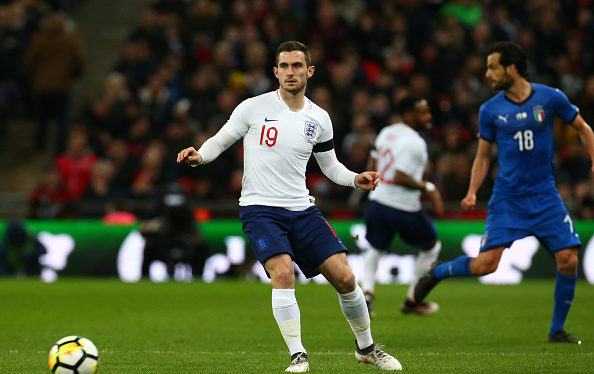
In March 2018, Cook made his England debut against Italy at Wembley. His grandfather won a very impressive £17,000.All things considered, we hope you liked our list of 5 footballers whose families placed long-term bets on their career!
You can check more of our content like this on BestofBets’ football section.
How bookmakers price futures on young footballers
Bookmakers manage risk by opening markets with long odds and adjusting prices as public money or new information emerges about a youngster’s development.
Odds reflect both the bookmaker’s view of probability and the desire to balance liability while offering an enticing headline price for novelty punters.
What affects odds for a child’s future international cap
Factors such as academy level, international youth exposure, physical profile and injury history influence how a bookmaker sets prices for future caps.
Market movement can occur after a high-profile trial, a sequence of youth performances or media attention that changes perceived likelihood.
Notable examples where families won long-shot bets
The cases included in the original list show how unpredictable talent trajectories can sometimes produce large payouts for relatives who bet early.
These examples are notable because they are the exception rather than the rule, and they often receive disproportionate media interest.
When to avoid placing speculative long-term bets
If a bet would cause financial strain or is made on impulse after a single good performance, it should be avoided in favour of safer, informed choices.
Speculative futures are high-risk and should only be considered for entertainment within a predetermined budget rather than as an investment.
Risks and ethics of betting on minors’ future careers
Betting on the future careers of minors raises ethical questions about consent, publicity and the potential commodification of a child’s prospects.
Families should balance excitement with the knowledge that a child’s welfare and long-term development are priorities beyond any betting outcome.
Practical steps for families considering futures bets
Set a firm budget, treat the stake as entertainment expense, and avoid using family funds earmarked for the child’s needs or education.
Discuss motives openly within the family and consider declining markets that might expose the youngster to unwanted attention or pressure.
How to responsibly consider long-term bets as a fan
Fans curious about novelty markets should approach them as low-cost, high-risk entertainment and only use licensed bookmakers operating under UK rules.
Responsible gamblers limit stakes, understand the long time horizon of futures bets, and accept that losses are the most likely outcome.
Responsible guidance for families placing futures bets
Anyone considering a bet must be 18 or over; betting is strictly for adults and should never involve a minor’s money or identity.
Set loss limits, use self-exclusion tools if needed, and seek support if betting becomes hard to control — gambling should never be a way to solve money worries.
Legal and regulatory considerations for UK bettors
UK bookmakers are regulated by the UK Gambling Commission and must comply with age checks, fair play rules and anti-money laundering measures.
Customers should only use operators licensed in Great Britain and report any suspicious or irresponsible behaviour to the regulator or the bookmaker.
Age restrictions and bookmaker compliance in the UK
All betting activity on licensed UK sites requires verification that the customer is 18 or older, with strict identity checks in place for larger stakes and suspicious accounts.
Relatives placing novelty bets must ensure they are the legal account holder and are not passing bets on behalf of a minor under any circumstances.
Tips for families and fans on making informed decisions
Research the market, compare odds across licensed bookmakers, and understand cancellation, settlement and eligibility terms for futures bets.
Keep records of stakes and outcomes, and prefer small, clearly affordable wagers over large speculative stakes that could harm household finances.
Questions to ask before placing a long-term bet
Ask what defines success for the market, how the bet is settled, and whether events such as youth appearances count toward the outcome.
Confirm how ties, injuries and early retirements are handled in the market terms and whether the bookmaker allows cash-out or settlement changes.
How these stories affect public perception and youth sport
Stories of relatives collecting big payouts bring attention to youth sport but can also skew expectations and add unwelcome pressure on young athletes.
Clubs, parents and agents should focus on support, coaching and the child’s enjoyment of the game rather than the side effects of gambling speculation.
When sport development meets media and betting attention
High-profile youth trials or viral clips can create short-term hype that moves markets quickly, yet such attention rarely predicts long-term senior success.
Families should be wary of any publicity that shifts attention from development to marketable narratives and should safeguard the child’s privacy where possible.
How BestOfBets approaches content about bets on children
We report these stories as human-interest pieces with a focus on facts, context and clear responsible gambling messages for readers aged 18+.
Our aim is to inform fans and families about the mechanics and implications of futures bets, not to promote or glamorise gambling activity.
18+ only. Please gamble responsibly — if you or someone you know needs help, seek support from charity resources and gambling support services.
You can explore bookmaker comparisons and current markets responsibly using BestOfBets’ comparison tools if you choose to bet within your limits.
For transparency, some links on this site may be affiliate links; these are provided to help you compare offers rather than to encourage excess wagering.
For a look at current offers and free bet promotions from our recommended bookmakers, see our free bets page: BestOfBets free bets.
To view the latest casino sign-up bonuses available through our partner sites, visit our casino bonus page: BestOfBets casino bonus.
Frequently asked questions about family futures bets
Can a relative legally bet on a child’s football future?
Yes, provided the bettor is 18 or older and places the bet in their own name through a licensed bookmaker in Great Britain.
Bets must not be placed on behalf of a minor and bookmakers may refuse or void wagers that appear to involve under‑age or third‑party activity.
What are the chances a long-term bet will pay out?
Long-term bets are inherently high-risk and bookmakers price them accordingly; most such wagers do not result in a payout.
Treat these markets as entertainment rather than investment, and never stake more than you can afford to lose.
Do bookmakers adjust odds after youth performances?
Yes, odds can shorten or lengthen in response to new information, public money and changes in a player’s development path.
Significant trials, transfers or injury news are common triggers for market movement on futures bets.
Should family funds intended for a child be used for betting?
No, funds for education, welfare or essential needs should never be used for gambling under any circumstance.
If you are considering a novelty bet, use only discretionary money set aside for entertainment and keep stakes modest.
Are these bets taxable if they win in the UK?
Gambling winnings from licensed UK bookmakers are not taxable for the punter, but winners should consider how any large payout may affect household finances and reporting obligations.
Seek independent financial advice if a payout would materially change your financial position, and avoid treating betting as a revenue source.
What should parents consider about publicity from a winning bet?
Publicity can create pressure on the child and unwanted attention; weigh the privacy implications before publicising any bet involving a young player.
Protect the child’s wellbeing, and consider declining offers or interviews that could impact their development or mental health.
Where can I find help if gambling becomes a problem?
If you are concerned about betting behaviour, contact support services such as GamCare or use the self-help tools provided by licensed operators.
Remember that gambling is for adults only (18+), and seeking help early can prevent harm to you and your family.