

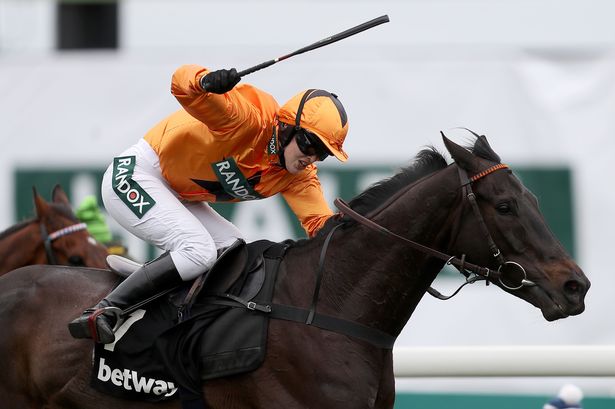

Cheltenham Preview and Kelly’s Insight for 2024
This expanded analysis builds on Lizzie Kelly’s observations about Irish strength and British prospects at Cheltenham. The aim is to add context, race-by-race strategy and responsible betting notes for UK readers.
Assessment of Irish dominance and British responses
Irish yards continue to target major spring Festivals with concentrated resources and large travelling contingents. British trainers have strengths but face structural and programme challenges that affect Festival readiness.
Why Irish yards excel at Cheltenham Festivals
Smaller domestic programmes in Ireland often force higher-calibre clashes, producing battle-hardened horses accustomed to pressure. That repeated competitive exposure can translate into superior Festival performance when stamina and temperament are tested.
Top Irish trainers also plan campaigns around Cheltenham, Aintree and Punchestown, bringing well-prepared squads and specialist entries. That focus increases the likelihood of multiple strong runners in key races.
How British racing could be restructured for success
Reducing soft options and consolidating chases into more competitive heats would help sharpen British contenders. A clearer path for novices and staying chasers could reduce the number of “escape routes” which dilute quality clashes.
Investment in race planning, fixture rebalancing and incentives for higher-grade domestic contests may encourage tougher match-ups. Changes like these take time but can narrow the gap at Festivals.
Key outsider selections and their profiles
Outsiders named by Kelly highlight the value of course specialists and horses with proven Cheltenham form. When assessing longer-priced contenders, look at past Festival performance, course preference and trainer tactics.
Consider factors such as weight concessions, mare allowances and seasonal peaking when evaluating outsiders for each-way value. Markets can underprice course specialists who thrive on the unique Cotswold contours.
Race-by-race strategic considerations at the Festival
Each Festival race requires a tailored approach: speed and agility matter in two-mile chases while stamina and jumping scope are crucial for staying events. Assess the race shape and likely pace before backing a selection.
Weather and ground conditions at Cheltenham are variable, so adapt selections to going reports and recent prep runs. A horse that handles soft ground and undulating tracks often has an edge on Festival day.
Champion Chase: matchups, form and betting angles
The Champion Chase demands a blend of speed and accuracy over fences at a true two-mile test. Head-to-head rematches like Shishkin vs Energumene are informative, but broader field depth can alter tactics.
When markets appear tight between two principal rivals, consider each-way stakes or small stakes on pace-makers who could set up the race. Keep stakes sensible and manage risk.
Champion Hurdle: Honeysuckle and emerging threats
Honeysuckle exemplifies a top mare whose experience at the top level provides a consistent baseline of form. Young hurdlers stepping up need to demonstrate ability beyond age-restricted races to pose a serious threat.
Watch for last-year form lines and seasonal reappearance runs to gauge genuine progression. Trainers’ choices about targets and running patterns often reveal confidence levels worth noting.
Cross Country Chase: unique demands and contenders
Cross country races are relentless, with varied obstacles and continuous turns demanding bravery and rhythm. Specialist French and Irish imports often perform well due to exposure to similar tests abroad.
Tiger Roll’s impact shows how a high-profile winner can elevate a race’s standing and encourage trainers to produce true specialists. Evaluate fitness, experience and rider partnership in this discipline.
Novice events: what to watch for in betting markets
Novice chases and hurdles can be unpredictable because many horses are still learning their craft. Look for clear signs of improvement from trials, schooling and how they handle fences under race pressure.
Market movers after a decisive prep run deserve attention, but maintain proportionate stakes as novices can regress when stepped up against seasoned opposition.
Trainer numbers, yard depth and Festival strategy
Trainer string size matters at a Festival where volume and selective targeting both influence outcomes. Irish yards often travel larger teams, increasing the chance of multiple high-quality entries in each race.
British yards may focus on selective targeting with fewer but specifically prepared entries, which can yield top results when campaigns are spot on. Assess each yard’s Festival history for patterns.
Form, prep runs and reading race cards
Understanding the significance of prep runs is crucial; a well-judged warm-up under race conditions is more informative than a single impressive school. Contextualise form by considering pace, ground and opposition strength.
Race cards reveal intended targets and possible conflicts when trainers enter multiple horses. A horse aimed specifically at Cheltenham with a clean prep programme often arrives better tuned than one filling in late.
Betting markets and smart staking approaches
Markets reflect collective expectations but can be shaped by volume, publicity and trainer reputation. Avoid large, emotionally-driven stakes and adopt flat staking or small percentage strategies to manage variance.
Each-way coverage at longer prices can be useful for outsiders with course form, while singles might suit short-priced favourites when confidence is strong. Always set a staking plan and stick to it.
Using bookmaker comparisons for best value
Small differences in odds, free bet terms and place terms can materially affect long-term returns for frequent Festival bettors. Compare offers across bookmakers to find the most favourable place terms and odds boosts.
Remember that offers may carry terms and eligibility conditions; read these carefully and do not chase specific promotions with higher stakes than you can afford.
When to consider each-way and accumulator bets
Each-way bets suit larger fields and horses with clear course form, while accumulators increase variance and should be used sparingly. If you choose accumulators, keep stakes low and accept higher risk for the chance of bigger returns.
Accumulators based on short-priced favourites provide little value and heighten exposure to a single unexpected result, so weigh the trade-off between excitement and measured bankroll management.
Practical tips for festival punters and newcomers
Set a clear budget before you begin, and never stake money you cannot afford to lose. Responsible staking and self-awareness are fundamental, especially during a high-profile meeting with many betting opportunities.
Use bookmaker comparison tools for market research, check form and watch race replays where possible to build an informed view. Keep a record of bets to review performance objectively.
Kelly’s outsider picks: practical perspective for bettors
Kelly’s selections for outsiders emphasise Cheltenham form and course specialists who can outperform market expectations. When assessing these suggestions, cross-check fitness, weight and jockey bookings.
Outsiders can offer value but require disciplined staking and acceptance that long shots win infrequently. Treat them as potential portfolio diversifiers rather than bankroll catalysts.
Responsible gambling reminder and key safety advice
Gambling is for 18+ only and should be treated as entertainment rather than a way to make money. If you choose to bet, set limits, stick to a budget and seek help if gambling feels out of control.
Support organisations such as GamCare and BeGambleAware offer advice and tools for safer play, including deposit limits and self-exclusion options. Betting should never be used to solve financial problems.
Concluding thoughts on British prospects and Festival outlook
While Irish dominance is clear in recent Festivals, British trainers have avenues to close the gap through programme reform and sharper targeting. Individual British horses can and do compete at the very highest level when properly prepared.
For punters, the Festival remains a blend of form assessment, strategic staking and entertainment value. Keep realistic expectations, bet responsibly and enjoy the racing within your means.
You can explore current bookmaker offers through our comparison tools if you choose to bet responsibly, and note that some links on this site are affiliate links which support our journalism at no extra cost to you. Please remember that no bet is certain and losses are possible.
Find our recommended sports bookmakers and their free bets here.
See current casino bonus offers and partner promotions here.
Common questions about Cheltenham betting and Kelly’s picks
How important is course form when assessing runners?
Cheltenham form is highly informative because the track is unique and favours proven course performers. Horses that have won or placed at the course often handle the undulations better than unexposed contenders.
Should I back outsiders named by Kelly each-way?
Each-way backing can make sense for Kelly’s outsiders if they have Cheltenham form and favourable place terms. Always size stakes to reflect low probability outcomes and avoid overexposure.
Do trainer string sizes really matter for Festival outcomes?
Yes, larger travelling teams increase the probability of multiple strong runners but do not guarantee wins. Evaluate the quality and focus of entries rather than just quantity.
How do I balance backing favourites versus outsiders?
Balance depends on value, not sentiment; back favourites when odds represent fair value and consider outsiders where market underestimates course specialists. Maintain a staking plan to manage risk.
What role does ground play in Festival selections?
Ground is a key variable at Cheltenham, affecting stamina and jumping efficiency. Choose horses with proven form on similar ground and adjust expectations for those unproven on softer or quicker turf.
Are accumulators advisable during the Festival?
Accumulators increase variance and should be used sparingly with low stakes. They offer excitement but can quickly deplete a bankroll if used without discipline.
Where can I get help if betting becomes a problem?
If betting feels out of control, seek support from UK organisations such as GamCare and BeGambleAware for confidential advice and practical tools. Remember gambling is for 18+ only and should remain entertainment-only.