

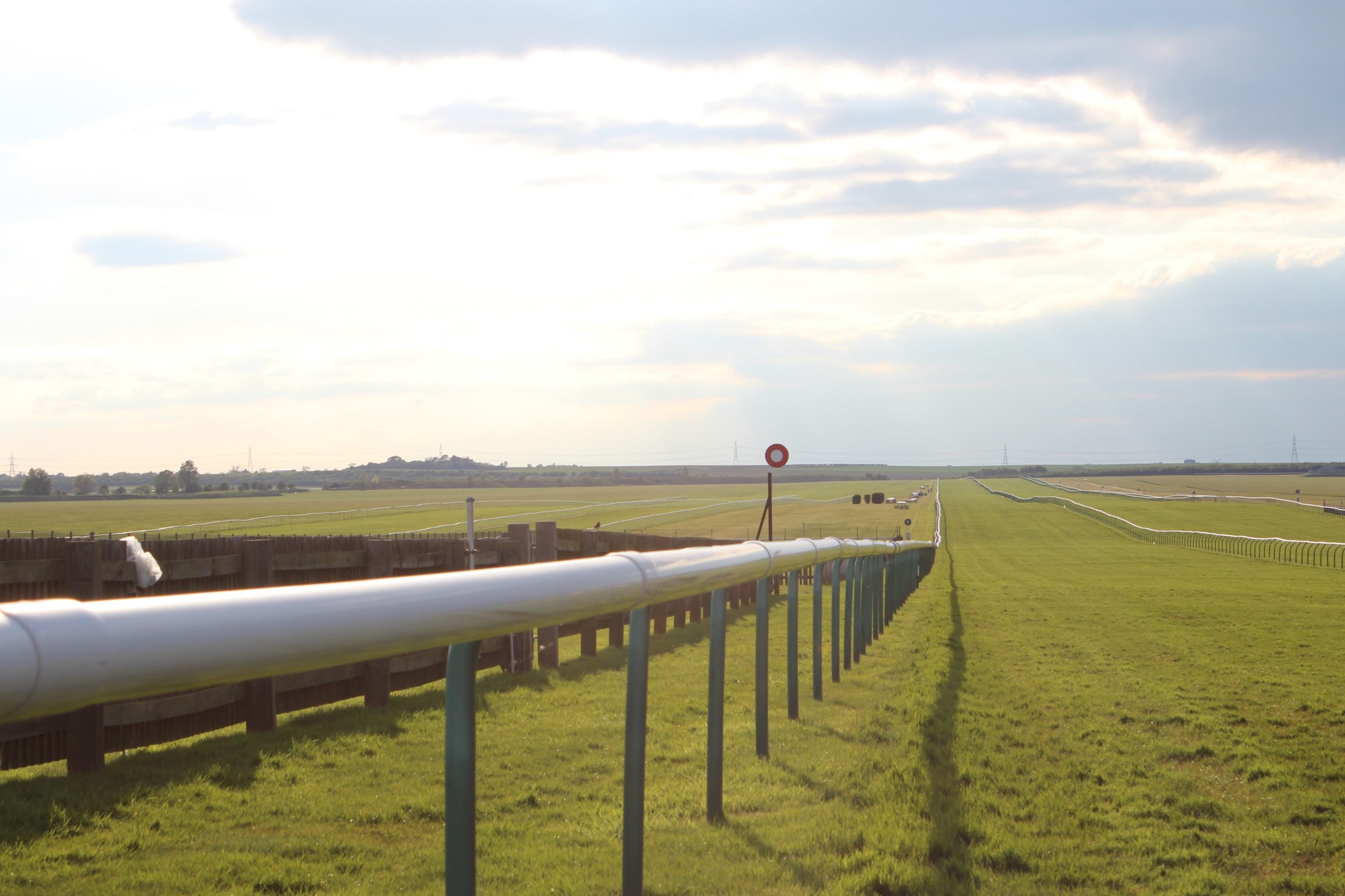
Saturday Rowley Mile Preview and Betting Guide
This weekend’s Rowley Mile card mixes established milers and promising two-year-olds, culminating in the prestigious Cambridgeshire handicap and a clutch of Listed and Group races to study closely. The notes below expand on form, ground preferences, draw dynamics and sensible betting approaches without promising outcomes.
Key Races This Weekend: Rockfel, Joel and More
The Rockfel Stakes, Joel Stakes and supporting races bring different angles for racegoers and form analysts, from soft-ground specialists to versatile milers and improving juveniles. This guide complements the existing race preview by highlighting tactical considerations and market signals worth watching on raceday.
Form Notes And Soft Ground Specialists To Watch
Soft turf is set to be a decisive factor in several contests, and horses with proven form on yielding ground should be monitored closely for each race card. Paying attention to seasonal form, previous stamina tests and recent dosages of heavy-ground experience will help separate genuine soft-ground performers from those with nominal claims.
Soft Ground Versus Good To Firm: Impact On Times
Times on soft surfaces typically slow and favour horses who race prominently or sustain a long, galloping action rather than short, sharp turn of foot types. Trainers who target autumn softs often represent better value because their horses are prepared to stay and handle heavy going at the Rowley Mile.
Spiritual And Rosemary Stakes Race Analysis
Spiritual’s listed win on soft ground is a clear formline to respect and her profile suits the Rosebery Mile when underfoot conditions are testing. Watch for tactical positioning and whether connections aim to secure an early stalking berth to avoid kickback in the field.
Sea Of Roses And Princess Royal Form Breakdown
Sea Of Roses arrives with a recent Windsor victory that suggests rising confidence and a proven liking for softer turf, which is significant when rivals lack testing-ground form. Market moves around Time Lock and Mistral Star should be viewed cautiously if they have limited or no soft-ground exposure.
Why Rowley Mile Test Suits Ratey Milers Often
The Rowley Mile can reward horses with a high cruising speed who can maintain a consistent gallop over a flat mile, making spring and autumn milers particularly effective. Tactical draw and the ability to quicken on demand remain valuable, so pedigree and previous mile performances can be predictive inputs.
Rockfel Stakes: Formal Versus The Field Insights
Formal’s unbeaten juvenile record and soft-ground success give her a solid case in the Rockfel, and her breeding suggests she can act over a mile as she matures. At the same time, horses like Duty First who have shown form on Goodwood and handle testing ground provide contrasting, plausible alternatives in the market.
How Draw And Track Bias Influence Race Outcomes
On straight mile tracks like the Rowley Mile, draw can matter less than on turning circuits, but wind, camber and stand-side bias occasionally impact finishing positions, so note any prevailing bias on the day. Trainers who have guided horses to Rowley Mile success previously may target a specific side, which is worth tracking in racecards and market chatter.
Rockfel Market Context And Long-Term Potential Notes
Beyond the immediate result, standout performances at Group Two level for juveniles can shape classic-season expectations, yet betting should reflect present form and conditions rather than speculative future targets. Observe finishing speed figures, sectional times and how each filly copes with pressure from stablemates or known rivals.
Joel Stakes Preview: Poker Face And Ice Max Duel
Poker Face and Ice Max re-engage after a close duel at Goodwood, and the wetter surface could swing the balance if Poker Face handles softer ground better than his rival. Consider how each horse’s draw and stall position will interact with anticipated pace scenarios and whether any last-minute rain alters the going further.
Market Movers And Late Closer Form Indicators
Significant early market shifts can indicate confidence from professional backers or insider support, but late money should be treated with care and assessed alongside race-day evidence such as wind-surgery reports or veterinary notes. For handicaps like the Cambridgeshire, watch for declared weight changes and jockey bookings that might impact each horse’s chance.
Responsible Betting Advice For Weekend Punters
This guide is for readers aged 18 or over and aims to inform rather than encourage excessive wagering; always bet responsibly and within your means. If you choose to use bookmaker comparisons or follow offers, treat them as ways to enhance enjoyment rather than guaranteed profit, and seek help if gambling causes harm.
Betting Tactics For Competitive Listed And Group Races
In small-field Group and Listed races, consider each runner’s racing style and how it matches the expected pace; a lone front-runner in a small field can be vulnerable to held-up finishers if the ground quickens. Use stakes management strategies such as staking a consistent percentage of your bank and avoiding chasing losses to preserve long-term fun and sustainability.
How To Use Bookmaker Comparisons And Offers Sensibly
Comparing odds and offers can help you find fairer prices, but don’t treat free bets or promotions as reasons to increase stakes beyond your normal plan. You can explore current bookmaker offers through our comparison tools if you choose to bet responsibly and remain within limits you set yourself.
For readers wanting to check bookmaker offers, our free-bets comparison page lists current promotions and sensible sign-up options: https://www.bestofbets.com/free-bets. If you are also interested in casino bonuses from our affiliated sites, you can find those offers here: https://www.bestofbets.com/casino-bonus.
Practical Race-Day Tips For Observant Punter
Arrive early to observe going and any track changes, and compare official going reports with what you see on course, especially if rain is forecast. Keep notes on how horses handle kickback, where they race on the track and whether vendors or paddock displays change your view on form at the last minute.
Post-Race Analysis And What To Learn For Next Time
After the races, review sectional times, finishing positions and whether stated ground preferences held true, then update your models or notes for future meetings. Horses that improve markedly on soft going or after a run can become targets for upcoming cards, so record any noticeable trends for the trainer or yard.
Weekend Summary And Final Observations For Bettors
Overall, this weekend’s programme emphasises soft-ground ability and tactical versatility over a mile, with several races offering clues about juveniles and milers ahead of winter and spring campaigns. Maintain disciplined staking, respect age restrictions of 18+, and rely on evidence-based selection rather than emotion or hopes of quick returns.
Frequently Asked Questions
Q: What should I consider when backing horses on soft ground?
A: Prioritise proven soft-ground form, longer-striding horses and trainers with a track record targeting yielding turf; avoid assuming flat-course times will translate directly to testing conditions.
Q: Is draw important at the Rowley Mile?
A: Draw is less decisive on a straight mile than on tight turns, but local bias and wind can matter on the day, so check racecourse notes and live observations before wagering.
Q: How much should I stake on a race from these previews?
A: Stake according to a predetermined plan such as a fixed percentage of your betting bank and avoid increasing stakes after losses; this guide offers information, not staking advice tailored to individuals.
Q: Are free bets a good reason to place larger bets?
A: No, free bets and offers should be used judiciously and not as a reason to exceed your normal staking limits; view promotions as occasional value enhancements rather than income sources.
Q: Where can I find bookmaker comparisons and offers mentioned here?
A: You can review our curated list of bookmaker offers and free-bets on the free-bets page provided above, and consider them only if you are 18 or over and betting responsibly.
Q: How should I interpret late market moves before a race?
A: Late support can reflect information from connections or market traders, but it should be considered alongside form, ground, weight and jockey changes to form a balanced view.
Q: What is the best way to follow up after a disappointing bet?
A: Treat each betting decision as an independent event, keep records, learn from outcomes and avoid chasing losses; seek support if gambling becomes problematic.
Q: Where can I get help for responsible gambling?
A: If you or someone you know needs help, organisations such as GamCare and BeGambleAware provide free support and tools for managing gambling behaviour; always prioritise wellbeing over wagering.