

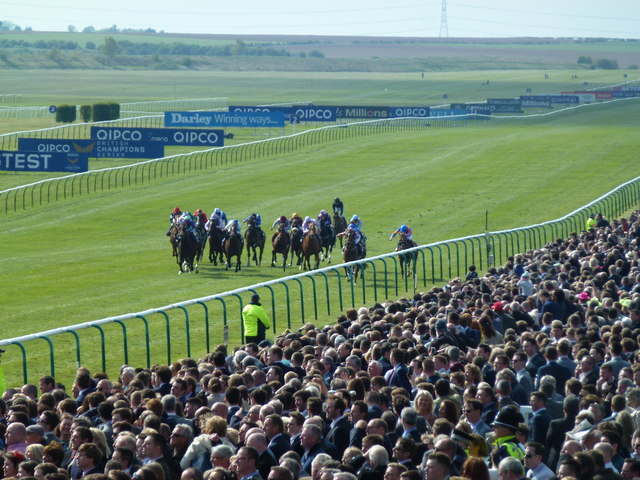

Newmarket Guineas Preview and Handicap Insights
This extended preview complements the existing race-by-race notes for the Newmarket Guineas card and helps readers make informed, responsible decisions. All content is for readers aged 18+ and aims to inform rather than encourage wagering as a way to make money.
How to read the cards and market moves today
Understanding how bookmakers adjust prices and why public money targets particular horses is vital when assessing value ahead of the Classics. Markets combine form, fitness, jockey bookings and ground; looking beyond headline odds often reveals more realistic chances.
Key form pointers for the 2000 Guineas contenders
Look for proven speed over seven furlongs as well as a convincing performance in established two-year-old Group races like the Dewhurst or Craven Stakes. Trainers with a strong record in Classics and previous runs at Newmarket should be weighted more heavily when judging readiness.
The Dewhurst is frequently a reliable guide to Guineas potential because it produces tested juveniles who handle top-class competition. Horses that won or ran strongly in that race tend to cope with the step up to a mile against the best of their generation.
Dry, fast ground suits horses with a high cruising speed while more stamina-based types handle softer going and heavy turf better. In Classic mile races, small differences in ground can change finishing positions, especially in fields that split the pace.
Analysing the key handicaps on the Newmarket card
Handicaps often provide the best value for those prepared to study weights, recent mark movements and course form. A pound or two in a competitive handicap can be decisive, so check for horses that are under-rated by current marks or who have strong course and distance form.
Improvement is easiest to spot when a horse has a positive race pattern such as finishing strongly or returning to a preferred trip and ground. Trainers who run horses early in the season to sharpen fitness often produce better placed improvers in handicaps.
Using the market to find value in short-priced favourites
Short-priced horses like City Of Troy are often well-supported for good reason, but identifying marginal contenders who could upset the odds relies on comparing breeding, racing style and seasonal readiness. Consider whether the favourite handles the likely ground and whether rivals have unexplored potential or course form.
Practical betting advice for handicap and Group races
Use a clear staking plan and avoid chasing losses; only stake what you can afford to lose and set sensible limits for each race and session. Explore bookmaker comparisons for odds and extra-place terms, but do so without pressure — offers should be considered tools for research rather than inducements.
Decide an overall bank and stake a small, consistent percentage per selection to protect against losing runs and variance in racing. Avoid increasing wagers after a loss and reassess selection criteria rather than stake size when form lines change.
Common errors include over-valuing short-course form without checking pace scenarios and ignoring jockey bookings that may indicate stable confidence. Keep records of bets and outcomes to measure success over time rather than relying on single-day emotional judgments.
What to watch for in jockey and trainer patterns
Jockey bookings, stable form and how trainers prepare horses for specific meetings are crucial indicators of likely performance. Young jockeys on rising horses can add value, but also weigh up experienced riders who know Newmarket’s track nuances well.
How to interpret early-season form for three-year-olds
Early-season runs often serve as fitness tests rather than peak performances, so allow for improvement when a horse returns from a winter break. Look for horses showing a forward physical condition and sharper tactical speed than they displayed as juveniles.
Assessing improvers in the Palace House and Heritage handicaps
Experienced sprinters and those dropping in weight often perform well in early-season handicaps where pace and recovery over five to seven furlongs matter. Consider horses that have been campaigned consistently through winter months and display solid wind and muscle condition.
How to use track bias and draw information at Newmarket
Newmarket can favour horses that race prominently on straight course sprints and those who pick a seam on the Rowley Mile when stalls are drawn wide or narrow. Check recent meeting trends for any bias that could influence finishing positions in both handicaps and pattern races.
Specific tactical notes for the 2000 Guineas itself
The early pace, ability to settle and the horse’s turn of foot are especially important in a Classic mile race where the field splits and layers of speed interact. Riders who can find the right position without over-racing typically produce the strongest finishes at the business end.
Practical research checklist before placing a wager
Always confirm declared jockeys, inspection of the ground, any late withdrawals and stable reports on the morning of the race. Use multiple bookmaker quotes to compare odds and check extra-place or enhanced place terms that can affect expected returns.
Responsible gambling guidance for racegoers and bettors
Gambling should be for entertainment by adults aged 18 and over, never a way to solve financial issues or improve lifestyle. If you choose to bet, set limits, take breaks and seek help if gambling becomes a problem; organisations such as GamCare provide confidential support.
You can explore current bookmaker offers through our comparison tools if you choose to bet responsibly and want to see the latest free bet options. For new casino customers interested in bonus offers, view our dedicated list of casino promotions and terms.
How should I approach betting at Newmarket Guineas?
Study form, ground, jockey bookings and market moves before deciding, and keep stakes modest relative to your bankroll. Remember all wagering is for those aged 18+ and should remain recreational.
What is the best way to find value on the card?
Compare prices across firms, look for horses whose current marks look lenient and favour those with proven Newmarket form. Avoid placing large stakes on short-priced favourites just because they are popular with the public.
How do I account for weather and ground changes?
Check the going on race day and consider breeding and past performances on similar ground before selecting a horse. Some lead trainers or families perform consistently on specific turf types, which can guide choices.
Are short-priced favourites like City Of Troy always safe bets?
No selection is guaranteed; favourites often win but can be vulnerable to tactical races, ground shifts or improvers. Treat even well-supported horses with cautious stakes and clear risk management.
What role do jockey bookings play in assessing chances?
Top jockeys on class horses often indicate confidence and can provide tactical advantages in tight finishes. Track records at Newmarket and recent form should be weighed when judging a booking’s importance.
Where can I find bookmaker and casino offers safely?
Our comparison pages list current bookmaker free bets and casino bonuses with terms and conditions, but use them for information rather than a reason to increase staking. Always read full offer terms and gamble responsibly, 18+ only.
When should I seek help for gambling concerns?
If you find betting affecting your finances, relationships or wellbeing, contact support services such as GamCare or use self-exclusion tools offered by licensed operators. Help is confidential and available 24/7 for UK residents.
See our up-to-date list of top recommended bookmakers and their free bet offers here: https://bestofbets.com/free-bets. You can also compare the latest casino bonus options for new customers here: https://bestofbets.com/casino-bonus.