

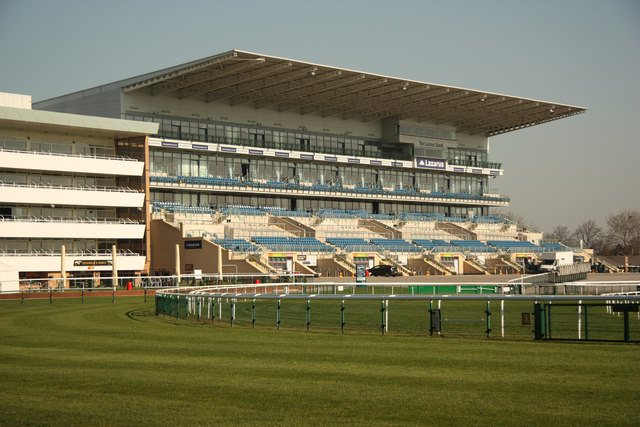
St Leger Festival Day Two: Doncaster Cup Preview
This extended preview complements our race-by-race notes from Day Two of the St Leger Festival and focuses on the Doncaster Cup, supporting races and practical betting approach. Please note all coverage is for readers aged 18+ and is intended to inform responsible decisions rather than encourage excessive play.
How to interpret form and ground for Doncaster
Doncaster’s Town Moor can produce contrasting performances depending on recent rain, so reading form lines alongside ground reports is essential when assessing each runner. Look for clear evidence of soft‑ground form, recent consistency and whether a horse is stepping up or down in class for valuable context.
Assessing the Flying Scotsman and Flying Childers Stakes
Both the Flying Scotsman and the Flying Childers are useful barometers for early juvenile talent and will shape market expectations for future pattern races. When evaluating War Rooms, Dancing Gemini and Flora Of Bermuda, pay attention to their racing styles, the manner of previous victories and whether those wins came on ground similar to what Doncaster is offering.
For two‑year‑olds, margins and subsequent performance of their rivals are often more telling than raw speed figures; check how horses from the same maiden have fared next time out to ascertain the strength of form. Trainers’ public comments on entries for the Dewhurst, Futurity or other late‑season targets can also signal a green light for progressive types.
Reading the form: what times and margins reveal
Times provide a baseline but mean less across variable going, so compare sectional times where available and focus on margins against rivals who have run since. A narrow defeat to a future improver can be more valuable than an effortless win in a weak heat, particularly with juveniles.
Doncaster Cup outlook: pace, stamina and penalties
The Doncaster Cup typically rewards stamina and race‑craft; look for horses proven over staying trips or those who showed a strong finish in past staying contests. Coltrane’s Lonsdale Cup display and Trueshan’s consistency suggest both carry proven staying credentials, but penalties and a recent wind operation for Coltrane add nuance to any selection.
Consider likely race pace: if front‑runners are limited, a strong stayer with a late turn of foot can exploit a slow tempo; conversely, a truly run race will favour those with proven sustained speed. Factor in weight penalties and whether a horse’s form was achieved when carrying similar burdens.
Soft ground specialists: data points to prioritise
On soft ground prioritise horses with multiple wins or strong performances on easy going, and look for those described in form as handling mud or heavy going. Pay attention to pedigree notes and trainer records when soft conditions are expected, as some yards consistently prepare horses for cut in the ground.
Handicap and form analysis for the Mallard Handicap
The Mallard at this meeting can be a tricky small‑field handicap and often comes down to who handles the track and trip best on the day. With Legendary Day and The Goat prominent in recent notes, assess both the weight carried and any recent rise or fall in form before committing stakes.
In small handicaps, track position and a favourable weight mark can outweigh raw form; horses proven at the distance and carrying similar marks to past wins are sensible starting points. Consider the claims and any recent wind‑op, as these factors can materially alter expected performance.
Using bookmaker comparisons to find competitive odds
Comparing prices across licensed bookmakers can reveal modest value differences which compound over multiple bets, so consult comparison tools before placing stakes. You can explore current bookmaker offers through our comparison tools if you choose to bet responsibly.
Trainer and jockey trends to consider at Doncaster
Trainer targeting and jockey bookings are strong indicators of a horse’s chance—ride swaps for higher‑profile meetings or clear entries to specific end‑of‑season targets can reveal confidence. Owen Burrows, Roger Teal, George Boughey and other yards mentioned should be monitored for intended routes and any comments about ground or fitness.
Jockey bookings matter in tight handicaps and pattern races alike; a trusted pilot such as Mark Winn taking a useful allowance or an in‑form apportionment of rides can be decisive in small fields. Check whether jockeys are retaining rides across the card or switching to alternative engagements, as this often reflects where trainers want to concentrate their resources.
Responsible play: limits, tools and practical tips
Always play within your means and set pre‑defined limits on deposits, stakes and time spent following betting markets; practical tools are available from all licensed bookmakers and should be used. Avoid viewing betting as a way to solve financial issues and never chase losses.
If you believe gambling is becoming a problem for you or someone you know, seek help from UK‑based support organisations and consider using self‑exclusion tools or reality‑testing limits. Remember that all betting content here is for those aged 18+ only and aims to inform rather than persuade.
What to monitor on race day: actionable checks
On raceday monitor the official going update, any late rain forecasts, jockey declarations and confirmation of non‑runners as these items can shift the market quickly. Re‑evaluate your selections if a key horse withdraws or if the ground changes significantly after your initial assessment.
Practical staking approaches for festival cards
Adopt a clear staking plan and size bets relative to a bankroll that you can afford to lose; flat stakes or percentage staking are pragmatic options for multi‑race festival days. Avoid staking leaps after a single win or loss and resist placing multiple high‑stakes bets in a short window.
Consider making smaller speculative bets on longer shots for interest while keeping core stakes on selections with the strongest evidence of form and suitability. Use bookmaker accounts and comparison services to access sensible odds without chasing unrealistic returns.
Finding value without overcommitting bankroll
Value is relative to your assessment of probability versus the offered price, so only back selections where the price meaningfully disagrees with your view. Spread stakes and limit exposure to reduce volatility across the card.
Post‑race review and learning for future meetings
After the meeting, quickly review horses that ran well and those that disappointed to refine future assessments; note how the ground rode and whether any horses improved or regressed. Keep a simple record of bets, outcomes and the reasoning behind selections to build a clearer, data‑driven approach over time.
Learning from form progression, trainer comments and racing patterns across multiple meetings develops judgement and helps identify genuine value when it appears. Revisit how market moves matched actual performances to sharpen future market interpretation.
You can explore our recommended bookmaker free bets and sign‑up offers at this page for new customers: https://www.bestofbets.com/free-bets. For players interested in casino bonuses from affiliated sites, details are available here: https://www.bestofbets.com/casino-bonus.
What should I check first when assessing a race?
Start with the official going, recent weather and any non‑runner or jockey changes, then cross‑check the recent form lines for soft or heavy ground. Keep your initial checklist concise to avoid overcomplicating decisions on busy festival days.
How important is ground form when choosing selections?
Ground form is often decisive at Doncaster, so prioritise horses with proven ability on the expected going. If the going is significantly different to a horse’s best performances, downgrade confidence accordingly.
Are Doncaster Cup penalties likely to affect the result?
Penalties can be influential in close staying contests because they alter the effective weight carried, particularly in small fields. Account for penalties when comparing a horse’s latest win to rivals carrying different burdens.
When should I favour soft‑ground horses over others?
Prefer soft‑ground horses when the going is officially soft or worse, and when their form shows clear wins or strong performances in comparable conditions. Pedigree and previous heavy‑ground runs are useful secondary checks.
How can bookmaker comparisons improve value on race day?
Comparing odds across licensed bookmakers can reveal small pricing differences that add up across bets, helping to protect your expected return. Use reputable comparison tools and consider account‑specific promotions responsibly.
What responsible tools should I use before betting?
Make use of deposit limits, session limits, reality checks and self‑exclusion provided by regulated operators to manage play responsibly. These tools support healthy habits and are recommended for all players aged 18+.
Is there a simple staking plan suited to festival days?
Flat staking or staking a fixed percentage of your bankroll for each selection keeps exposure predictable during busy cards. Choose a plan you can stick to and avoid increasing stakes after wins or losses.