

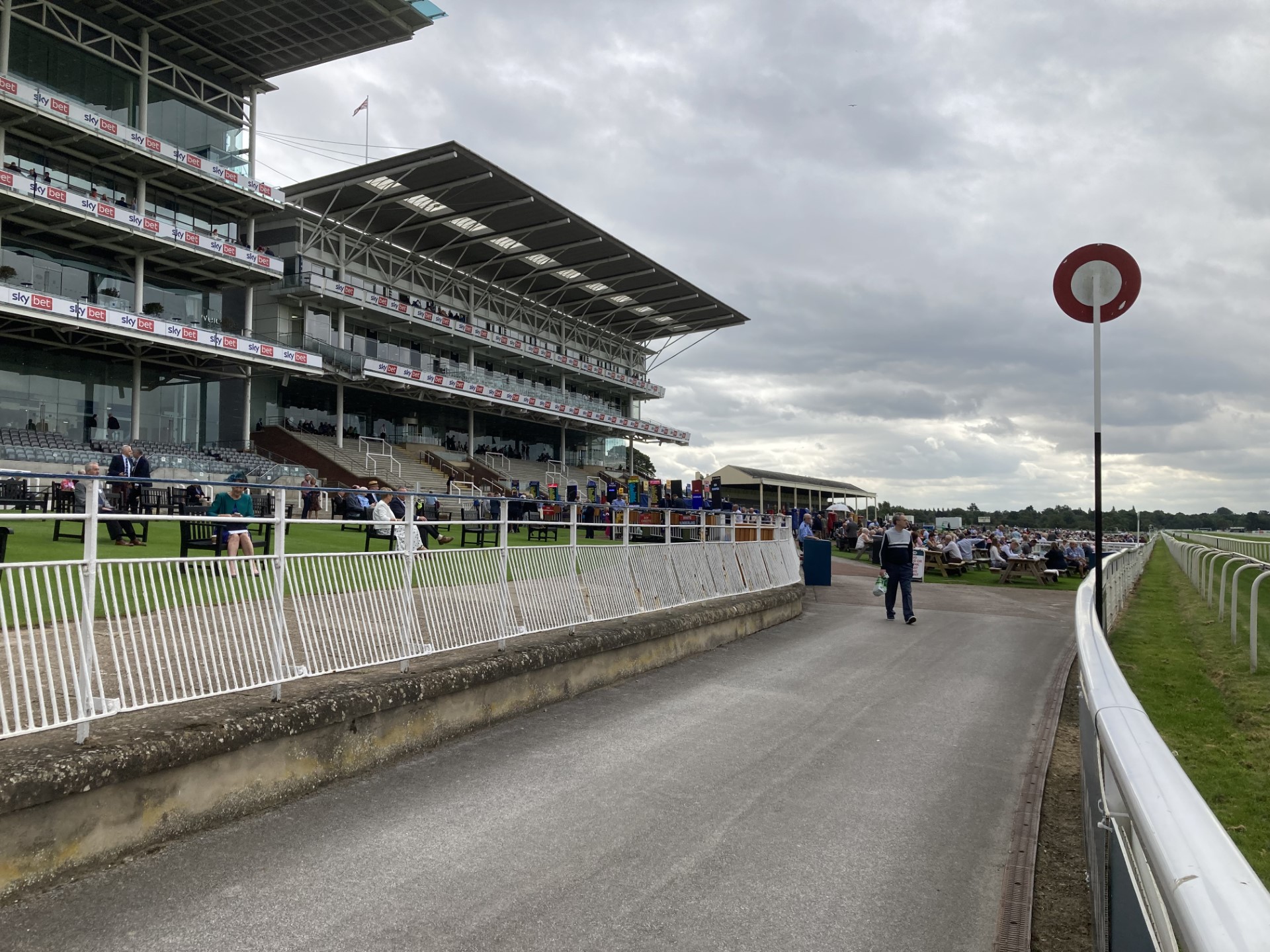
York Day Racing Tips, Analysis and Betting Guide
This guide complements the day’s selections and provides extra context on form, track quirks and market approach for York race day. Please note that all betting content is for readers aged 18+ and intended as information only; gamble responsibly.
How to Read Form and Spot City of York Trends
Understanding recent runs, weight changes and ground preference cuts through noise and highlights horses that handle York’s quick surface. Focus on clear form lines over similar distances and going when comparing rivals.
Why Kinross suits York’s seven-furlong test
Kinross has shown he handles seven furlongs at the top level and he has placed well on firmer ground, which is often found at York in summer. Consider how a horse’s racing pattern and finishing speed match York’s flatter, fast-paced track when weighing up his claims.
Course form, rider familiarity and recent peak performances are useful indicators but always allow for pace and draw variables. Avoid assuming a repeat win; treat selections as probabilities rather than certainties.
Assessing sprint handicaps: Aberama Gold case
Sprint handicaps at York often hinge on early speed and race set-up, so Aberama Gold’s pattern of wins and the presence of experienced claimers can be decisive. Look at how much weight a horse carries versus recent wins and whether a claiming apprentice will materially change the contest dynamics.
Horses coming off high-profile wins can be vulnerable to the handicapper, so check if a rise in the weights demands marked improvement. Each runner’s layoff, draw and how they travel through a race should inform stake sizing and selection confidence.
Interpreting York going reports and their impact
Going reports can alter chances substantially, particularly for horses proven on firm ground compared to those that prefer softer surfaces. Always cross-check pre-race going updates against a horse’s best performances to refine selections.
Using draw, ground and claimer changes to help
York’s wide, galloping track reduces draw bias compared with some courses, but stalls and race shape still matter in sprints and mile contests. Pay attention to claimers who have a strong partnership with a horse; a five-pound claim can turn a runner from marginal to competitive.
Ground descriptions understate nuances: “good” can vary across meetings, so combine official going with sectional times and how horses handled similar conditions in recent runs. That combination is often more predictive than headline form alone.
Reading form lines: recent form versus class drop
A horse dropping in class can regain confidence and produce a better performance, but route and pace must suit for a true revival. Compare how rivals ran at higher levels and whether they showed staying power or a tendency to fade late.
When each-way punts can represent value at York
Each-way wagers reward solid place prospects in competitive handicaps where the winner is hard to predict but a few horses are likely to finish in the top three or four. Use each-way stakes selectively on horses with consistent finishing records and favourable conditions.
Consider market support and the depth of the field before committing to an each-way play; stronger markets often indicate form backed by multiple smart-money sources. Keep stakes proportional to confidence and bankroll management plans.
Bookmaker markets and finding responsible value bets
Shop around for prices and be aware of how market moves reflect inside information, such as late jockey changes or confirmed good-to-firm going. Comparing multiple bookmakers can reveal small edges without increasing risk, but always avoid chasing larger stakes for marginal gains.
Affiliated links and sign-up offers are useful for new customers who want to compare products, however any use of offers should be for informed, responsible play and never treated as an income stream. If you choose to open accounts, do so within limits you can afford to lose.
Practical tips for reading York cards and race day planning
Work through the card by prioritising races where you have clear form advantages rather than spreading stakes thin across many uncertain contests. Flag horses with repeatable speed figures and those whose best runs were on similar tracks and going.
Watch for small but meaningful pieces of information: jockey bookings, sustained market support and declared riders staying on board can indicate confidence. Avoid staking more than a small, predetermined portion of your bankroll on any single selection.
How to manage bets and apply sensible staking rules
Adopt a consistent staking plan such as percentage-based units to protect your bankroll across the season and reduce the emotional impact of losing runs. Keep records of selections, stakes and outcomes to identify strengths and refine future choices.
Never use betting to address financial shortfalls and resist pressure from time-limited promotions to wager beyond your plan. If gambling stops being fun or starts causing worry, seek support from trusted resources and use self-exclusion or deposit limits with bookmakers.
Understanding the role of trainers and jockeys in form lines
Trainer patterns, such as a string of winners at a meeting or a knack for targeting York, can be a legitimate form angle when combined with appropriate horse profiles. Jockey bookings are also crucial; experienced riders at York can shape outcomes through tactical choices on the day.
Monitor trainer declarations and recent stable form rather than relying solely on headline trainers’ reputations. Weight, recent intensity of racing and the individual horse’s career trajectory should all play into your assessment.
How weather and race-day variables shift probabilities
Sudden rain, a drying surface or a change in track maintenance can alter the competitive landscape at short notice. Keep an eye on official updates and be ready to adjust selections if the conditions no longer suit a horse’s proven profile.
Final checklist before placing a bet at York
Confirm the final going, check declared riders, review recent form and compare prices across multiple bookmakers before committing a stake. Ensure your bet size aligns with your staking plan and that you are comfortable with the risk.
Remember this site is informational for readers aged 18+ and does not promise returns; bet within your means and use available responsible gambling tools such as deposit limits and time-outs. If you have concerns about your gambling, seek professional help and consider using self-exclusion services.
You can explore current bookmaker offers and compare free bet promotions responsibly on our free bets comparison page: https://www.bestofbets.com/free-bets.
If you are also interested in casino bonuses, view our curated list of casino bonus offers for new customers here: https://www.bestofbets.com/casino-bonus.
Frequently Asked Questions
Is betting advice on this page suitable for everyone?
Content is for adult readers aged 18+ and for information only; it is not financial advice and should be used alongside your own research.
How should I use free bet offers responsibly?
Compare offers, read terms and only use promotions within a staking plan you can afford; never chase losses or view bonuses as guaranteed profit.
What is the best way to read York form lines?
Look for recent runs on similar ground and distance, consider class and pace, and factor in trainer and jockey trends to build a view of each horse’s chance.
When is an each-way bet appropriate at York?
Each-way bets suit larger handicaps or competitive stakes where a horse has consistent place form and the price offers reasonable cover for places.
How important are claimers in six-furlong sprints?
Claiming apprentices can make a material difference by reducing weight, but assess their strike rate and partnership with the horse rather than assuming a claim guarantees improvement.
Should I always shop around for the best odds?
Yes — comparing bookmaker prices can improve long-term value, but do so without increasing stakes beyond your plan or being influenced by marketing pressure.
Where can I get help if gambling feels out of control?
If gambling causes harm or concern, contact organisations such as GamCare or use bookmaker support tools for limits and self-exclusion; seek professional help if needed.
Are tips on this page guaranteed to win?
No — selections are informed opinions based on form and trends and are never guaranteed; always treat betting as entertainment and risk money you can afford to lose.