

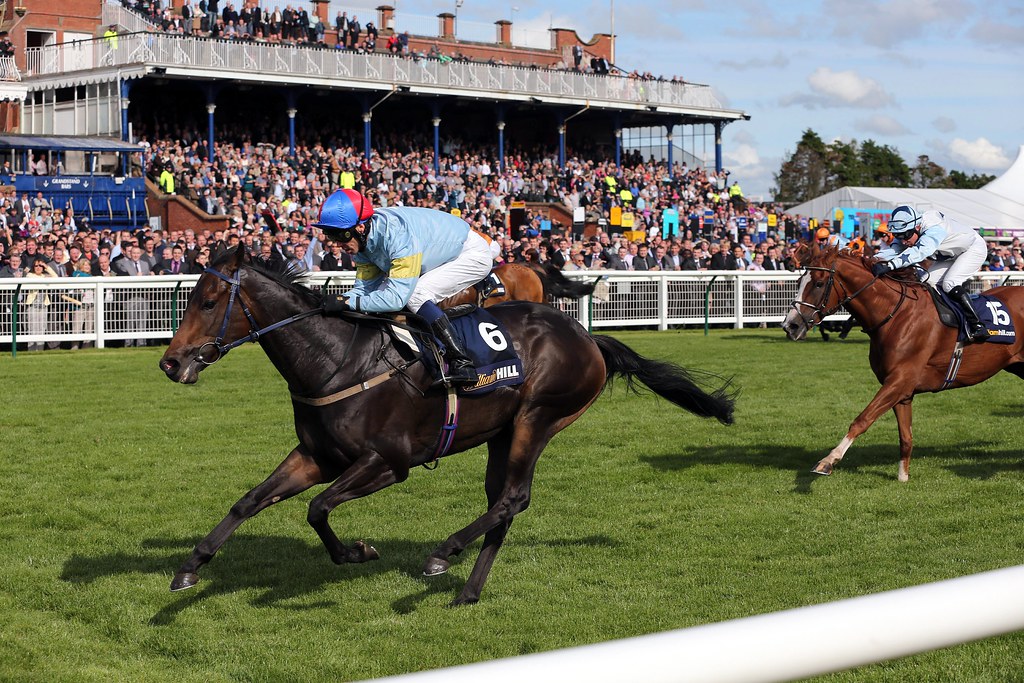
July Festival Day 3 Tips, Analysis and Betting Notes
How to interpret form and ground for July Festival
The following expansion complements the selections above by explaining how to read recent form, ground conditions and market signals ahead of Day 3 of the July Festival. Please note: betting is for people aged 18 and over only and should be done responsibly.
Aldaary at Ascot: form, fitness and soft-ground claims
Aldaary’s profile benefits from recent race fitness and a clear preference for softer turf, which the Ascot Summer Mile is likely to offer after recent rain. His RPRs and clocked sectionals from earlier runs point to a horse whose rating is supported by performance figures rather than a purely market-driven hype.
When assessing a horse like Aldaary, focus on consistency across three runs, the quality of those opponents and any breathing or wind-surgery notes that might affect late speed. Market support is useful but should be weighed against objective metrics such as RPRs, official ratings and trainer patterns for soft-ground targeting.
Reading RPRs, official ratings and what they mean
Racing Post Ratings (RPRs) give a comparative gauge of performance and are most useful when viewed across multiple runs over similar trips and ground. Official ratings indicate how handicap assessors view a horse; a mismatch between RPRs and official mark can signal potential value.
How soft ground and rainfall change race shape
Soft ground favours a particular profile: stamina-biased types and those proven on yielding surfaces often see improved outcomes. Recent rainfall can also neutralise a horse that relied on early speed on firmer fences, so check how each runner has performed on soft or heavy ground specifically.
Millebosc at York: handicap mark and recent form review
Millebosc arrives with French form that translates well to soft turf and a mark that appears lenient given earlier high-class performances at three. William Haggas’s stable pattern and the fact that he is the sole representative for his yard in the John Smith’s Cup are useful contextual factors when assessing value.
In handicaps, look for horses that have run in decent company at higher weight or class and have dropped to a mark that understates their ability. Previous runs on similar courses, distance and going are vital when projecting improvement on a switch to a UK yard.
Comparing bookmakers’ prices and free bet value
Price shopping across bookmakers is essential for maximising value; small price differences compound over a season and improve long-term staking outcomes. If using free bets, treat them as bonus value and apply a neutral staking approach rather than an outsized stake on longshots.
Streets of Gold analysis: weight, draw and course fit
Streets of Gold’s weight-for-age allowance and official mark quirks place him in an appealing position in the Bunbury Cup despite the race’s unpredictability. His proven ability on softer ground and course-appropriate speed figure make him a plausible each-way chance rather than a speculative throwaway.
When a horse is officially rated below its true level due to early-closing handicaps, that can offer a genuine opportunity to back a well-handicapped contender within sensible stakes limits. Consider also the race dynamics: how many pace-setters, likely hold-up horses and draw bias on the day.
Bet sizing, staking plans and responsible play advice
Decide stakes before the card starts and use a consistent staking plan based on a unit system proportional to your bankroll. Avoid chasing losses, increasing stakes after a defeat, or treating betting as a source of income; betting should be recreational and within affordable limits.
If you feel betting is becoming a problem, use available tools such as deposit limits, reality checks and self-exclusion, and consult recognised support services. Remember: your mental and financial wellbeing take priority over any single bet or festival result.
Practical in-play tips for festival handicaps and pattern races
In-play markets move quickly; if you plan to trade in-running, have pre-defined exit rules and matched stakes to limit emotional decision-making. Watch the early fractions and weather updates, and be prepared to reduce exposure if the race shape changes dramatically from expectations.
Monitoring market moves and late information
Late market shifts often reflect stable confidence, jockey bookings or on-the-day ground changes and can be a reliable source of information when used alongside form facts. Don’t overreact to a single drift or shortener; look for patterns and corroborating data before altering planned stakes.
Race-by-race scenarios and alternative betting angles
For each of the three highlighted races, create two scenarios—one where the expected ground and pace materialise, and one where the track rides quicker or slower than forecast. This helps identify sensible alternative bets such as each-way, place-only or small doubles instead of all-in win stakes.
Consider cover bets like a small forecast, an each-way across a couple of runners, or backing a second-choice at a conservative stake to mitigate the volatility inherent in festival handicaps. Choose strategies that align with your bankroll and risk tolerance.
How to use form lines from France and Ireland when judging British races
Translate form from France and Ireland by focusing on the quality of the opposition, the ground the form was achieved on and the racing style shown. A runner that finished behind a top-class international rival can still represent value if the race conditions and trip now suit.
When trainers switch jurisdictions, account for changes in training rhythm, kickback and travel impact; some horses handle the switch seamlessly while others need one run to reach peak fitness in Britain.
Record-keeping, long-term edge and festival records
Keep a simple record of each bet: selection, bookmaker, odds, stake and reason. Over time this will show which types of bets and races provide the best return for your style and inform staking adjustments. Treat record-keeping as a disciplined exercise, not as a route to guaranteed profit.
Analyse festival trends year-on-year—trainer strike-rates, jockey success, and how the prevailing ground affected selections—to refine your approach for future meetings. Small, consistent edges compound more reliably than chasing a one-off big score.
Where to find up-to-the-minute racecards, jockey changes and declarations
Official racecards, racing authority websites and reputable form services provide confirmed declarations, jockey changes and non-runners that affect odds and race shape. Cross-check multiple reputable sources before placing bets to ensure you act on accurate and current information.
Bookmakers may list different odds and offers; always verify your chosen price at the time of bet placement, particularly when using multiple accounts or taking advantage of introductory free bet offers.
Practical checklist before placing a July Festival wager
Before placing any bet, confirm the going, check for last-minute scratching, review jockey bookings and re-evaluate pace and projected race shape. Apply your pre-determined stake and double-check the odds; if the price has shortened significantly and you no longer find value, be prepared to reduce the stake or skip the bet.
Keep a sober mindset: never stake more than you can afford to lose and do not view betting as a solution to money problems or a route to status or success. Responsible play safeguards enjoyment and long-term participation.
Using bookmaker comparisons and special offers responsibly
Price comparison and free bet offers can increase the value of a single wager, but they are not a substitute for sound selection and staking discipline. If you choose to use offers, read the terms and conditions and consider the actual cash value after wagering requirements are applied.
You can explore bookmaker comparison tools to identify the most competitive prices and free bet terms; remember that affiliate links may be used to support editorial costs but always make betting decisions independently and responsibly.
You can explore current bookmaker offers through our free bets comparison page if you choose to bet responsibly: https://www.bestofbets.com/free-bets.
For those interested in casino bonuses, we also list options and terms on our casino offers page: https://www.bestofbets.com/casino-bonus.
How should I size stakes for festival handicaps?
Base stakes on a unit system where one unit is a fixed percentage of your betting bankroll to maintain discipline and manage variance. Adjust units for stronger conviction but avoid large deviations that risk significant volatility.
What is the best way to use free bets on festival cards?
Treat free bets as supplemental value and apply them to selections with a clear edge or to try a conservative each-way angle rather than enlarging normal stakes. Always check rollover and qualifying rules so you understand the true value of an offer.
How important is trainer and jockey form at the Festival?
Trainer and jockey form gives context to a runner’s chance, especially where a yard targets specific races with clear patterns. Recent trainer strike rates at the festival and stable notes on individual horses are useful but not determinative on their own.
Are in-running bets advisable for handicaps like the Bunbury Cup?
In-running betting can offer opportunities if you have a clear plan and fast execution, but it increases risk and requires strict exit rules to avoid impulsive losses. For most recreational bettors, predefined pre-race stakes aligned with a staking plan are the safer option.
How do I interpret an official rating that seems too high or too low?
Compare the official rating with recent RPRs, the quality of opposition and the conditions under which the performances were achieved to judge whether a mark understates or overstates ability. Marks can lag when a horse has improved or been penalised late, so context matters more than a raw number.
What should I do if betting becomes a problem for me?
If betting causes stress, financial worry or relationship issues, seek help immediately and use bookmaker support tools like deposit limits and self-exclusion. In the UK, organisations such as GamCare and SAMH offer confidential support and practical advice for people aged 18 and over.