

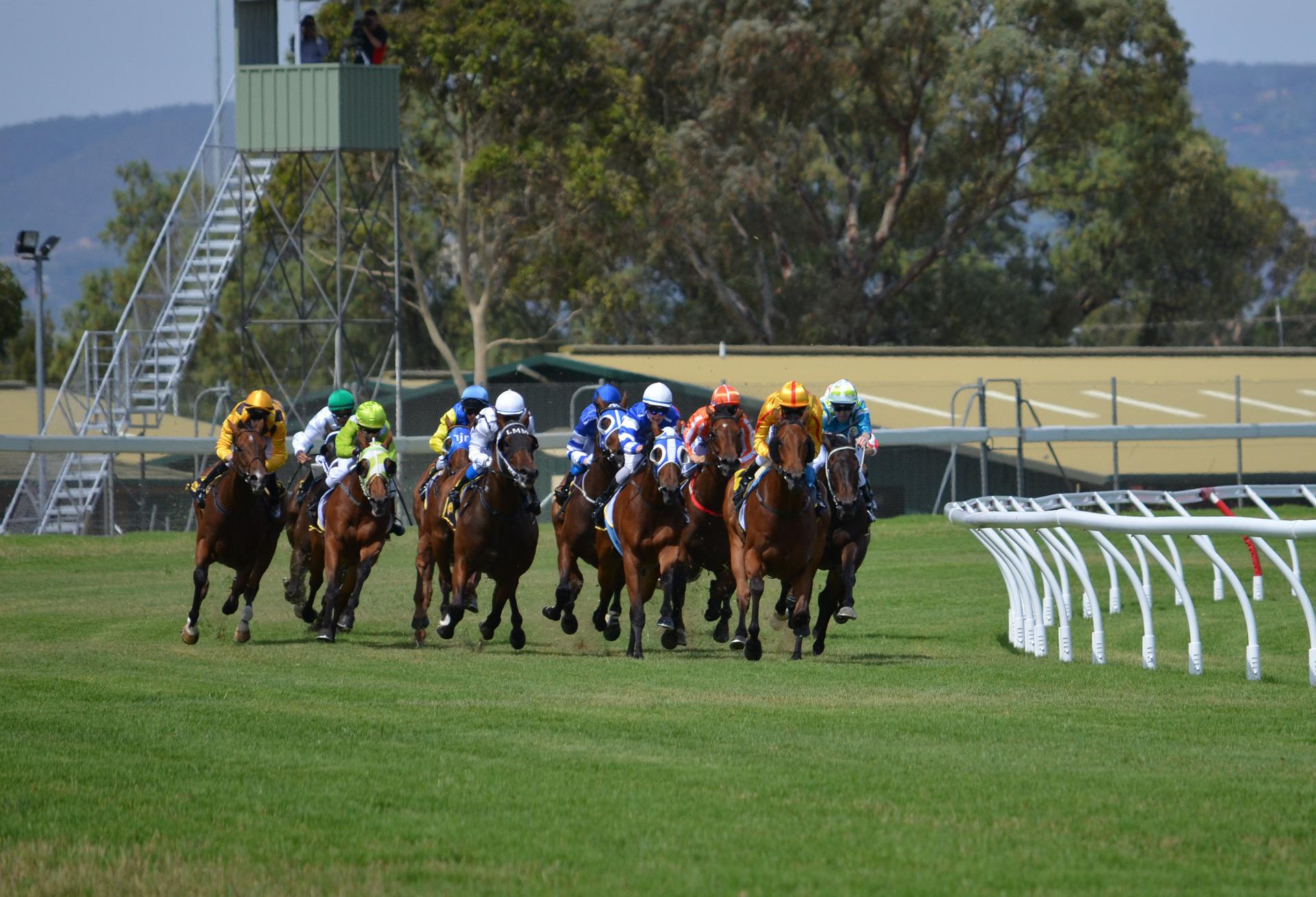

Sky Bet Ebor Day: Expert Race-by-Race Insights
This supplementary guide adds context and practical betting considerations to the existing race previews for Ebor day, focusing on form interpretation, market value and race-day variables that matter to UK punters. It is written to complement the original tips and help readers make informed, responsible choices when they review the markets and bookmaker offers.
Form, Trends and Trainer Notes For Today’s Cards
Understanding recent performance patterns and trainer targets helps explain why certain horses reappear in big handicaps and why others are stepping up in trip or class, which is important when considering each-way plays. This section highlights the key trends and practical indicators to watch for on the day, helping you to evaluate value without implying guaranteed outcomes.
How to Assess Stamina and Step-Up Effectiveness
Look for breeding, recent finishing styles and evidence of staying-on power in races over shorter trips; a horse that finishes strongly over 1m4f is likelier to handle 1m6f than one that leads and fades. Trainers often step progressive types up in trip when breeding suggests it will help, so note dam-side stamina and whether the horse has shown progressive improvement day to day.
When a filly or colt has improved markedly through a campaign, check for weight penalties and the quality of that opposition; a 39lb uplift in handicap terms, for instance, signals a significant transformation but also a test of whether improvement has plateaued. Always weigh recent run style against ground and draw, as stamina is often revealed or concealed by pace and underfoot conditions.
Reading Handicap Ratings and Weight Changes
Handicap marks and recent weight rises are useful for establishing whether a horse is still improving or has reached a ceiling, and a 5–9lb penalty can change the practical prospects markedly in a big field. Compare current marks with seasonal peaks and look for horses that have won with clear-cut authority, as these tend to carry penalties more comfortably than narrow-margin scorers.
Consider whether a horse has won off a mark near its current rating before backing a short-priced favourite, and remember that many Ebor winners have come from double-figure odds. Betting decisions should focus on value relative to perceived chance rather than market position alone, and punters should avoid treating ratings as the sole determinant.
Course Biases, Draws and Ground Considerations
York’s undulating finish and draw tendencies can favour horses with tactical speed or those who can sustain a run into the dip, so study recent renewal form on similar ground before sizing up each entry. Some sprint venues favour low draws in large fields while staying events can be more forgiving of wide stalls; local trends and day-specific ground reports matter more than generic assumptions.
Weather forecasts that turn good-to-firm into soft or vice versa will alter how you view a horse’s previous runs, especially where trainers have targeted the card for specific horses who prefer one type of going. Always cross-check trainer comments with going preferences and past performances on similar surfaces to determine practical suitability.
Selecting Value Each-Way and Market Timing Tips
Each-way strategies remain useful in big handicaps where winners often come from larger-priced runners, so identify horses with consistent place form and a plausible race plan before committing stakes. Look at the depth of the handicap and the presence of unexposed sorts versus proven stayers; an each-way stab at 10/1 or bigger can be justified where the heat map of form supports it.
Market timing matters: late money can reveal connections’ confidence or soft support from syndicates, but it can also be misdirection ahead of book updates, so balance the market with form evidence. Use bookmaker comparison tools to check latest prices and place terms, and avoid chasing markets impulsively.
Trainer Patterns and Yard Targets For Big Handicaps
Some yards, like those referenced in the original preview, target particular courses and races and will often arrive with a programme arranged to suit the race conditions; note those trainers’ historical records at the meeting. Trainers who aim for the Ebor or similar staying handicaps will often have one or two progressive types in their yards who step up at the right time, which is why entries from those stables demand scrutiny.
Watch for trainers who move horses from Irish or northern stables for specific targets, as transnational raiders have strong recent form in Ebor-type contests but will need to adapt to the track and ground. The presence of multiple entries from a yard can indicate a plan to play the weights or exploit a course bias, so factor that into your assessment of relative chances.
Trainer Form Runs: What Recent Winners Reveal
Review a trainer’s recent winners for common threads such as stepping up in trip, returning from a break, or switching to a different jockey; these are often telling signs of how they prepare horses for big handicaps. Trainers with a strong recent strike-rate at a track are worth extra attention but should still be judged on the individual horse’s merits rather than headline statistics.
Jockey Booking Patterns and Claimed Advantages
Jockey bookings can alter a horse’s chances materially, and consistent partnerships between a rider and trainer often yield better understanding of a horse’s quirks than occasional pairings. Consider whether a jockey is suited to the race shape and whether they have recent course experience, as small percentages can decide placings in deep handicaps.
Responsible Betting: Limits, Timeouts and Support
Betting should only be undertaken by people aged 18 or over and must be approached as entertainment, not a route to income; set deposit, loss and session limits before you place a bet. If gambling stops being enjoyable or begins to cause stress, use bookmaker-set tools, self-exclusion options and independent support services such as GamCare to get help.
Keep stakes to a fixed proportion of your gambling bankroll and avoid increasing bets after losses; sensible bankroll management keeps activity proportionate and sustainable across a festival day. For information on safer gambling resources, check bookmaker help pages and registered UK support organisations.
Using Bookmaker Comparison Tools To Find Offers
Comparison tools help you identify the best available price and place terms for the selections you like, and they are particularly useful before large handicaps where lines move frequently. Use those tools to compare free-bet offers, enhanced place terms and welcome promotions, and ensure you understand any wagering requirements before using offers.
While exploring offers, be mindful that affiliate links may be present and always use offers responsibly rather than chasing losses; the objective is to get fair value for an informed wager without pressure. You can explore current bookmaker offers through our comparison tools if you choose to bet responsibly.
Managing Bankroll and Stakes For Festival Racing Days
Allocate a specific portion of your entertainment budget to festival betting and split that figure across days so a heavy loss on one race does not distort subsequent judgement. Flat-rate staking or a small proportional staking plan are sensible approaches for those who want structured exposure across multiple races without emotional escalation.
Avoid staking increases based on short-term variance and remember that long-term success in tip assessment is measured in months and seasons rather than single days. If you gamble, ensure you are 18+, use limits where available and treat offers as bonuses for responsible users rather than incentives to raise stakes.
Using Bookmaker Comparison Tools To Find Offers
Compare price and place terms across multiple firms before placing a bet, because small differences in odds or extra places can materially change an each-way calculation. Where you find better terms or value, allocate stakes accordingly rather than increasing total exposure, and document your reasons for a selection to build discipline over time.
For those looking to browse current welcome offers, free bets and enhanced prices, you can find our top bookmaker recommendations on the free bets page at https://bestofbets.com/free-bets. For players who prefer casino offers, our curated list of casino bonus deals and terms is available at https://bestofbets.com/casino-bonus.
How should I interpret Ebor form and ratings?
Look for consistent improvement, margins of victory and whether wins came in similar conditions, and treat handicap marks as a guide rather than an absolute. Remember that past form is informative but not predictive, and only gamble if you are 18+.
What makes a horse suited to stepping up to 1m6f?
Breeding on the dam side, finishing style in recent races and evidence of staying on strongly are key indicators that a horse can handle extra trip. Trainers often signal intent by targeting staying races with horses who have progressed over shorter trips.
When is each-way betting a sensible strategy here?
Each-way plays can be appropriate where the race is deep, there are many unexposed types and the book offers fair place terms, especially in big handicaps like the Ebor. Keep stakes proportionate and avoid over-exposure to multiple large each-way bets in one day.
How do ground conditions change race chances on the day?
Going from good to soft or vice versa alters how a horse’s previous form should be read and can either enhance or blunt stamina and speed reserves. Check official going reports and trainer comments close to post time before finalising any bet.
Should I use bookmaker promotions for festival betting?
Promotions can add value when used with discipline, but always read terms and manage bonus funds separately from real money staking. Use comparison tools to pick fair offers and do not let promotions drive higher-risk behaviour.
How important are trainer and jockey patterns to my selections?
They are useful context: trainers with a strong record at a track or jockeys who suit a particular race shape often improve a horse’s chance marginally, which can be decisive in tight handicaps. However, assess each horse on form first and treat these patterns as secondary factors.
Where can I find help if betting stops being enjoyable?
If gambling becomes stressful or compulsive, use bookmaker tools such as limits and self-exclusion and seek support from UK services like GamCare; you must be 18+ to gamble. Responsible play is essential and help is available confidentially.