

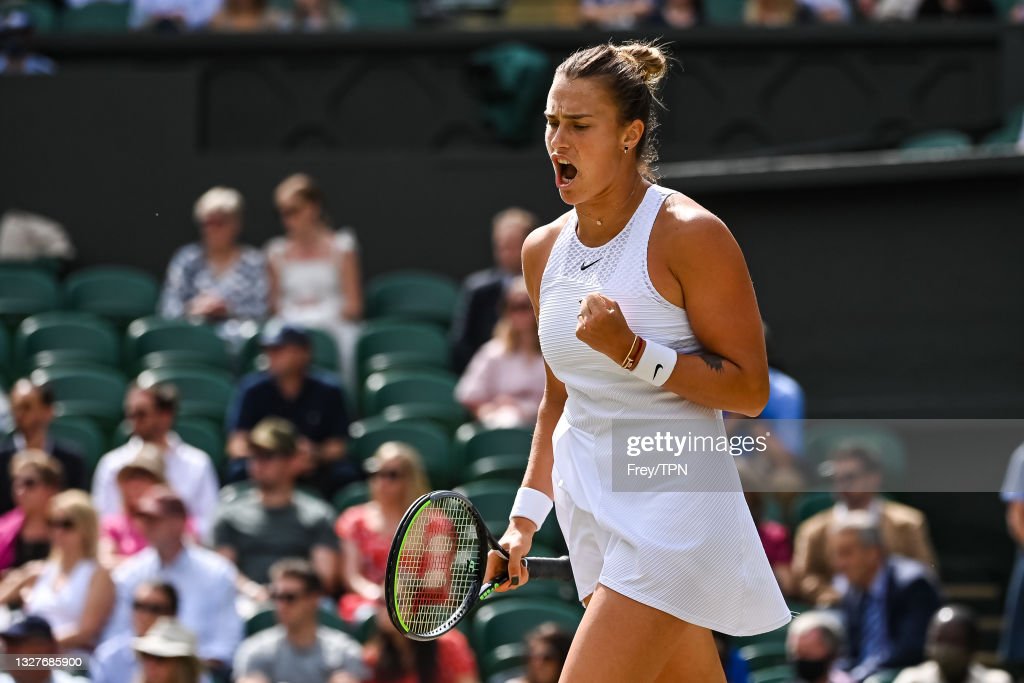

Wimbledon 2023: Sabalenka, rivals and betting angles
How bookies set Wimbledon prices and market value
Bookmakers set prices using player form, head-to-heads, surface history, draw position and market exposure to balance liabilities while aiming for a margin. Understanding implied probability and how each bookmaker weights recent grass results can reveal small edges for disciplined bettors.
Assessing Sabalenka’s grass-court strengths
Sabalenka’s power serving and aggressive return stats make her particularly dangerous on grass when her first serve clicks and she converts short points; those traits explain why bookmakers shorten her outright price after strong pre-Wimbledon results. Watching her serve hold percentage and first-serve win rate across warm-up events helps judge whether her Melbourne confidence is translating to SW19 conditions.
Key rivals: Swiatek, Rybakina, Jabeur and Garcia
Each rival brings a distinct stylistic challenge: Swiatek’s depth and defence, Rybakina’s grass craft and serve, Jabeur’s variety and net game, Garcia’s improved aggression and late-season momentum all demand separate betting approaches. Comparing matchups and likely court battles — for example Sabalenka’s power versus Jabeur’s touch — helps identify more valuable match and set markets.
Tournament draw, potential routes and tricky matchups
The draw can reshape betting value more than headline form because early-round upsets and seeded paths affect who faces whom in quarters and semis, so map probable routes and spot cluster risks before committing to outrights. Favour players with a practicable route to the later stages, while recognising that grass specialists and adaptable baseliners often diverge in expected progression.
Betting markets: outright, match and in-play strategies
Outright markets suit longer-term risk-takers looking at form accumulation and draw luck, match markets reward match-up analysis, and in-play markets can be exploited by quick readers of momentum and set-flow. Use match statistics like break-point conversion, return games won and serve hold to shape pre-match picks and to time in-play wagers when lines move away from true probability.
Comparing tennis, football and horse racing markets
Tennis markets typically offer head-to-head liquidity and fast-moving odds based on a single event, while football markets are often influenced by multiple scoring variables and team news, and horse racing odds hinge on form, course fit and market sentiment in a different way. Experienced bettors apply cross-sport staking disciplines — such as unit sizing and value seeking — while recognising each sport’s unique volatility and correlation risks.
Data to watch: serve, return and grass form indicators
Key metrics for Wimbledon betting include first-serve percentage, first-serve points won, return games won, break points saved and recent matches on grass; tracking these across warm-up events gives a clearer picture than a single Grand Slam result. Contextualise statistics with match intensity — short tune-up wins may be less predictive than deep runs in comparable conditions.
Form, injuries and fitness: what to factor into bets
Fitness and recovery matter more at Wimbledon than at some other slams because long rallies and multiple five-set fixtures across a fortnight can expose lingering issues; always check recent match minutes and medical time-outs when evaluating prices. Avoid overreacting to one headline injury line but do respect recurring physical concerns and late withdrawals when assessing bookmaker adjustments.
How weather and grass conditions alter match outcomes
Grass at SW19 can vary with dryness and wear across the tournament; dry, fast conditions favour big servers and aggressive hitters whereas softer, slower grass can extend rallies and aid counter-punchers. Weather forecasts and ball speed reports are useful intel for in-play decisions and for anticipating how a player’s game will translate on a given day.
Value hunting: spotting overlays and market mispricings
Value emerges when bookmakers overprice short-term form without accounting for surface fit or when popular sentiment pushes a favourite’s odds too low; identifying overlays requires independent probability estimates and cross-book comparisons. Shop around for the best price, and consider smaller stakes on speculative outrights while prioritising match-level value for more reliable returns.
Finding value: odds comparison across bookmakers
Odds fluctuate between firms due to different liability exposures and sophisticated risk models, so comparing multiple bookmakers helps secure the best available price and improves long-term returns. Use comparison tools to identify meaningful differences and always check stake limits, non-runner rules and market settlement terms before placing a bet.
In-play tips: when to back swings on serve breaks
In-play value often appears after a tight first set when momentum swings are visible — backing a player shortly after a break can be sensible if their service hold rate remains strong and match stats favour continuation. Avoid emotional chasing after a big upset; instead, rely on objective indicators such as return points won in the previous set and fatigue signals.
Bankroll and staking: sensible money management tips
A clear staking plan, expressed in consistent units relative to your bankroll, reduces the emotional impact of variance and keeps betting sustainable over a long tournament. Never stake amounts that would cause financial strain, and remember that betting is for entertainment; it is not a source of income or a way to address financial problems, and it is for those aged 18 and over only.
Using promos responsibly: free-bets and terms to check
Promotional offers can improve value but always read wagering requirements, odds restrictions and minimum stake rules to ensure the offer suits your intended strategy rather than dictating it. Treat free-bets as conditional tools for exploring markets and never let promotions influence stakes beyond what you can responsibly afford.
Avoiding common mistakes in tournament wagering
Common errors include overcommitting to favourites, ignoring surface nuances, and failing to monitor evolving form across the fortnight; disciplined bettors control position sizing and avoid emotional overreach after wins or losses. Keep records of bets and rationales to refine approaches and to identify which market types and players consistently yield the best long-term value.
Practical tips for outright and each-way Wimbledon punts
When considering an outright or each-way punt, evaluate the size of the field, bookmaker each-way terms and the realistic path a player must navigate to reach the money spots; each-way value increases when firm terms are offered and the player has a plausible half-dozen match run. Spread stakes across a few well-researched selections rather than backing a single long shot, and keep stakes modest relative to your overall bankroll.
How to use head-to-head form in match betting
Head-to-head history is informative but should be weighted against recent form, surface differences and tactical evolutions in a player’s game; a dominant past record can be overturned by improved opponent strategies or declining form. Combine H2H data with current-season metrics and surface-specific performance to form a rounded probability estimate for match markets.
Live betting apps and latency considerations
Latency and refresh rates differ between bookmaker apps and exchanges, affecting the viability of quick in-play trades and scalps; choose platforms with consistent feeds if you plan to react to momentum swings. For most recreational bettors, focusing on pre-match value and selective in-play opportunities avoids the pitfalls of chasing tiny lines where latency can erode any advantage.
When to consider hedging an outright position
Hedging can lock in profits or reduce exposure if your outright selection advances beyond initial expectations and the in-tournament price becomes compelling to lay off a portion of the stake. Evaluate hedge decisions against remaining potential upside, transaction costs, and your original staking plan rather than treating hedges as panic moves.
Responsible betting practices for Grand Slam tournaments
Set a staking limit for the tournament, stick to it, and take regular breaks to avoid fatigue-driven decisions that can harm judgement; betting should remain a controlled leisure activity for those aged 18 and over. If betting causes stress or financial concerns, seek help from official support organisations and consider self-exclusion or deposit limits with bookmakers.
Monitoring news: late withdrawals and coach or team changes
Late withdrawals, coaching changes or sudden travel-related issues can materially affect market prices and expected performances; keep an eye on credible news sources and official tournament notices for timely updates. Adapt risk exposure quickly when new information significantly alters a player’s chances, and verify news across multiple outlets before making trade decisions.
Tips for combining Wimbledon betting with other sports markets
Cross-sport bettors can diversify risk by allocating parts of their bankroll across tennis, football and horse racing, but they should also account for correlation risks such as concentrating on a single day or on the same bookmaker which may limit liquidity. Apply the same principles of unit sizing, value selection and discipline across sports to maintain a coherent portfolio approach.
Post-tournament review: learning for future Grand Slams
After Wimbledon concludes, review bets, note which assumptions held true, and adjust models or intuition for future slams based on observed patterns such as how grass form translated into results and which metrics were most predictive. Continuous learning turns occasional success into a more consistent process and helps refine market-read abilities for next season.
You can explore current bookmaker offers through our comparison tools if you choose to bet responsibly and wish to find the best free-bet terms for new customers, available at https://bestofbets.com/free-bets. If you are also interested in casino promotions, you can view our affiliate partners’ latest bonus offers at https://bestofbets.com/casino-bonus.
Frequently asked questions about Wimbledon betting
Is Wimbledon betting suitable for beginners?
Beginners can participate but should start small, focus on simple match markets, learn to read basic stats and stick to a clear staking plan; betting is for people aged 18 and over and should be done responsibly.
How do I choose between outright and match bets?
Use outrights for long-term exposure to favourites with plausible draw paths and match bets for head-to-head value based on matchups; match bets generally offer more predictable short-term outcomes and lower variance.
Are in-play bets recommended during Wimbledon?
In-play can offer opportunities when you spot momentum shifts or statistical advantages, but be mindful of latency, fast-moving lines and the need for quick, disciplined decisions; stick to limits you can afford to lose and remain 18+.
What are safe staking strategies for a Grand Slam?
Adopt unit staking, cap maximum tournament exposure, and avoid chasing losses; sensible money management reduces emotional decision-making and protects your bankroll over time.
How important are grass-court stats?
Grass-court stats such as serve hold rate, return games won and previous grass match wins are highly relevant because grass plays differently to clay and hard courts, and they should be weighted heavily when forming predictions.
Where can I compare bookmaker odds and offers?
Use reputable odds comparison tools and read terms and conditions before joining offers; you can explore our compiled free-bets comparison at https://bestofbets.com/free-bets, and always bet responsibly if you are 18 or over.