

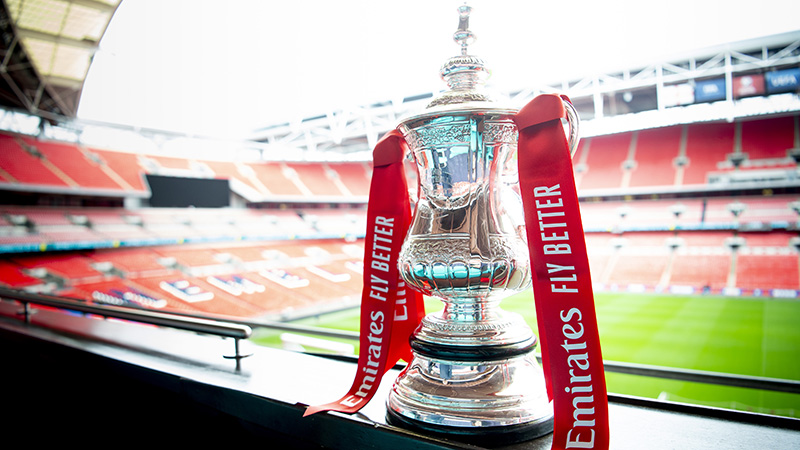

FA Cup fourth round previews and betting guide
Practical advice for betting on cup ties and racing
This guide expands the match previews with tactical betting ideas, market choice and risk control for readers in the UK who follow football and horse racing closely.
All content is for readers aged 18+ and aims to inform rather than persuade; please gamble responsibly and never stake more than you can afford to lose.
Assessing team selection and rotation impact on odds
Squad rotation is often the single biggest variable in cup ties because managers will balance league priorities with cup ambition, and early team news can shift market value quickly ahead of kick-off.
Look for reliable indicators such as confirmed line-ups, recent rotation patterns, and which players were rested in midweek, as these factors commonly explain why odds expand or shorten for particular sides.
Reading team news and manager press conference clues
Manager comments in the build-up usually hint at selection intent, while local press and club social channels can confirm last-minute absences that materially affect expected goals and goal-scorer markets.
In cup fixtures the presence or absence of a single forward or defensive anchor can change match dynamics, so treat confirmations as actionable intel when shopping markets.
When to shop around odds and bookmaker differences
Different bookmakers react at different speeds to team news and sentiment, which creates opportunities to lock in higher prices for the same outcome by comparing offers across firms.
Use comparison tools before placing a bet and consider accounts with a range of price-up features, as marginal differences can have a meaningful effect on long-term value.
Identifying value bets in cup and league markets
Value betting means backing outcomes where the market price understates the true probability, and in cup ties common inefficiencies occur around draws, lower-league underdogs and goal markets when rotation is heavy.
Consider alternative markets beyond match winner, such as both teams to score, correct score lines or player goal scorer markets, which can offer superior value when you have a clear hypothesis about playing style or personnel.
Using statistics and form to inform your selections
Combine recent form, expected goals (xG), head-to-head records and home/away splits to form a rounded view; for cup matches, give additional weight to league performance trends and cup-specific results.
Avoid over-emphasising a single stat and instead build a small model of factors you consistently check, then test those checks across several fixtures to refine how they affect prices.
How in-play markets alter cup tie betting opportunities
In-play betting opens chances to exploit tactical shifts as they happen, particularly when rotation leads to slower starts or when a team substitutes to increase attacking intent late in a match.
Monitor live metrics such as possession, shots on target and corners for quick reads on momentum, and be prepared to act if expected goals accumulate in one half but the scoreline does not reflect the underlying play.
When to prefer in-play over pre-match decisions
Choose in-play when line-ups are uncertain or when you expect a slow start from a rotated side and prefer to see the opening 15–25 minutes before committing funds to a market.
Pre-match wagers remain preferable where team news is clear and your analysis shows a persistent mismatch, while in-play suits reactive strategies and micro-value exploitation.
Staking plans and bankroll rules for smart wagering
Use a consistent staking approach such as flat stakes or Kelly-fraction principles adapted to your risk tolerance, and never stake a disproportionate share of your bankroll on single high-risk cup outcomes.
Record every bet and review results periodically to reduce bias, and treat horse racing and football bets as separate portfolios if you follow both sports, because variance profiles differ markedly.
Comparing cup betting with horse racing markets for variety
Horse racing often offers more short-term betting opportunities and different edge mechanisms such as form interpretation, jockey and trainer patterns, and market overreactions to late withdrawals.
Readers who follow both sports can diversify risk across football and racing, but must maintain separate staking rules and avoid chasing losses across markets or between sports.
How to use horse racing form knowledge alongside football insights
Apply the same discipline you use in football — checking recent form, contextual factors and market prices — to racing cards, while recognising the faster turnover of events and the greater influence of late market moves.
When scheduling wagers for a weekend of sport, plan stakes and watching obligations in advance to avoid impulsive bets driven by emotion or fatigue.
Practical match-day routines for disciplined punters
On match day create a checklist that covers final team news, weather, pitch conditions and any late injuries, then update your view and only place bets when your analysis still holds after the latest information arrives.
Set a clear maximum number of bets for the day and a loss limit, and step away if you reach either threshold to protect your bankroll and decision-making clarity.
Using multiple markets to spread risk and find edges
Layering markets, such as combining a match result with an over/under goal selection or a goalscorer hand, can spread exposure and capture value in cases where one market appears efficient but another does not.
Be cautious with correlated doubles and trebles where the same match event affects multiple legs, as correlation can increase variance more than many bettors expect.
Responsible gambling guidance and safer play reminders
Gambling should be for entertainment only; keep stakes affordable, set deposit and time limits with bookmakers where available, and seek help if gambling stops being fun or affects other parts of life.
If you are in the UK and aged 18 or over you can find support through organisations such as GamCare and BeGambleAware, and many operators provide responsible gambling tools you can activate on your account.
You can explore current bookmaker offers through our comparison tools if you choose to bet responsibly and want to review free bet promotions and sign-up terms before placing a wager.
Please note that affiliate links may be used on some comparison pages and that offers change frequently; always read full terms and bet within your limits.
For details of recommended bookmakers and their new-customer free bet offers visit our free bets page: BestOfBets free bets.
For readers interested in casino bonus offers from our affiliated partners see the latest promotions here: BestOfBets casino bonuses.
How should I size stakes for cup tie betting?
Use a staking method you understand, such as flat stakes or a small percentage of your bankroll, and never increase stakes to chase losses or recover prior defeats.
Is there value in backing lower-league cup teams?
Yes, lower-league sides can offer value when they are underestimated, particularly at home in supportive atmospheres, but evaluate form, squad fitness and manager motivation first.
What markets suit matches with heavy rotation?
Consider both teams to score and under/over goal totals, and look at correct score and halftime/fulltime markets where rotation tends to create unpredictability in attacking cohesion.
How do I use form and stats in my selections?
Combine recent match form, underlying metrics like xG, and contextual factors such as fixture congestion to arrive at an evidence-based view rather than relying on headline results alone.
Should I bet in-play or pre-match for cup ties?
Bet pre-match when team news is clear and your value case is strong; prefer in-play if you want to see how rotations affect tempo or to react to early match signals.
Where can I compare bookmaker offers and free bets?
Use reputable comparison pages to view current sign-up promotions and free bet terms, and ensure you are 18+ before opening any accounts or claiming offers.
Is horse racing a better option on busy cup weekends?
Horse racing provides many alternative betting opportunities and can be a useful diversification, but it requires separate knowledge and disciplined staking to manage variance effectively.