

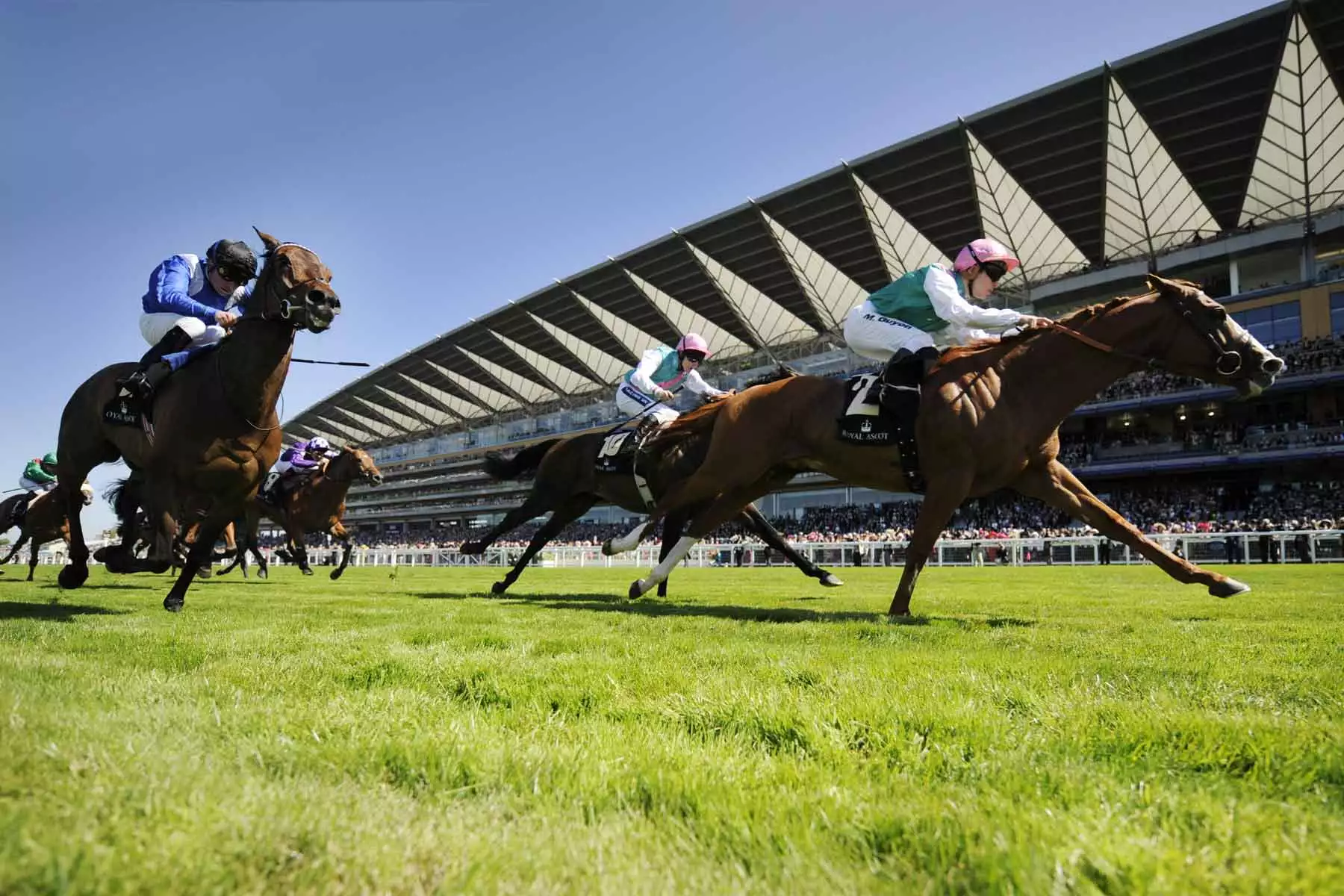

Royal Ascot Wednesday Preview and Betting Guide
How to read the card and race form at Ascot
Royal Ascot cards are dense with patterns, trainer trends and pedigree clues that matter more than raw recent results. Understanding form, ground preference and race tactics will help you separate headline names from genuine betting value.
Look for course-and-distance form, jockey bookings and how horses have handled big-field or high-class contests before committing stakes. Always factor expected ground and draw alongside trainer and jockey strike-rates.
Queen Mary Stakes key form pointers and tactics
For juvenile sprints pay attention to precocity, gate speed and whether a two-runner maiden produced the form you can trust. Horses that have shown a turn of foot over comparable trips and ground often transfer well to Ascot’s stiff five furlongs.
Wesley Ward imports and strong American juvenile form should be judged on pace and early speed rather than stamina tests. Each-way players should check the number of places paid at the bookmaker and assess whether a short-priced favourite is vulnerable to a packed finish.
Evaluating the Queen’s Vase stamina and pedigree
In staying contests pedigree clues are vital; close relatives who stay 1m6f are a positive sign and last-day improvements over shorter trips can mask genuine staying ability. A step up in trip often suits late-developing types, especially when ground is on the quicker side.
Race pace and how the leader is ridden matter greatly here. Horses that sit off the pace in the Derby might be better suited when allowed to bowl along on a stronger gallop, so assess likely tactics and jockey intent before backing any selection.
Prince of Wales’s Stakes chances and recent form trends
Group 1 middle-distance contests reward established class and progressive targets returning from prep runs. Recent seasonal form, a stable’s historic pattern with similar types and the way a horse won its latest race are key indicators.
International runners from Japan or Dubai can suddenly alter the market; consider how they handle Ascot’s ground and travelling. Stable confidence, indicated by entries in multiple big races and jockey choice, is often telling.
How to approach big-field handicaps like Royal Hunt Cup
Thirty-runner handicaps are contests for form readers and handicap calculators. Check official ratings, recent handicap adjustments and any apprentices or claimers booked to see where weight relief might create opportunity.
Draw bias and pace maps are critical in large fields; middle or high draws have often worked at Ascot on the straight mile. In addition, small weight advantages can be decisive, so a 2lb or 3lb differential should not be ignored when forming early stakes.
Juvenile sprints and staying fillies: rookie prospect considerations
For two-year-old and unexposed fillies, watch for debuts at high-quality venues and how quickly they learned to race. Sharp improvement between runs is a pattern worth noting, especially for trainers with strong juvenile records.
For mares stepping up in trip, increasing stamina evidence and a light recent campaign can indicate untapped potential. Trainers who target Royal Ascot with a precise plan often produce their best efforts on the big day.
Analysing pace maps and draw bias at Ascot
Ascot’s straight mile and five-furlong track reward specific race shapes; map expected leaders, stalkers and closers to predict settling positions. Horses drawn wide in big fields may have an advantage when the rail is intact, so always check the going and course position.
Combine pace maps with jockey styles — front-running pilots change a race differently from hold-up riders — to identify who will be forced to adjust and who should receive a clear trip.
Assessing ground conditions and trainer form lines
Ground at Ascot can vary quickly; some horses are versatile while others need cut. Review each runner’s form on similar going to the forecast and prioritise horses proven on expected ground.
Trainer form lines — for instance how a yard performs with unexposed juveniles or travellers returning from abroad — are useful for deciding between closely matched selections.
Value bets, each-way strategies and staking plans
Identify value by comparing odds across bookmakers and assessing where the market may misprice stamina, draw or inexperienced runners. Each-way strategies make sense in large fields and juvenile sprints where finishing positions are less predictable.
Adopt a staking plan proportional to confidence: smaller stakes on longer shots and a measured approach on favourites. Avoid chasing losses and never stake more than you can afford to lose.
Responsible gambling reminders for Ascot punters
Gambling is for people aged 18 and over. Bet only for entertainment and never as a way to solve financial problems.
If you feel your gambling is becoming problematic seek help from support services and consider setting deposit limits, time-outs or self-exclusion with bookmakers.
Practical tips for reading market moves and jockey bookings
Market moves can indicate confidence from informed backers, but they can also be the result of bookmaker liability management. Check pre-race market shifts alongside late jockey changes or declarations for context.
High-profile jockey bookings often suggest intended targets; however, consider whether a top rider is replacing an in-form partner or simply taking an obvious ride. Both scenarios carry different implications for value.
How weather forecasts affect race-day choices
Rain can change the outcome of several races in a card, with some horses improving on soft ground while others lose their effectiveness. Monitor forecasts closely and adjust selections if conditions change markedly.
Also consider ground drying patterns between morning and afternoon; a rain-affected track early in the day can become quicker, but the extent of cut will still favour proven wet-ground horses.
Comparing bookmaker odds and reading promotions responsibly
Compare odds across multiple bookmakers to find the best available price for your selection; small differences in odds can have a big impact over time. Be mindful that sign-up offers and promotions often carry terms and should not drive staking decisions.
Affiliate links or free-bet promotions should be used only if they suit your plan; they are not reasons to bet more or to chase losses. You can explore current bookmaker offers through our comparison tools if you choose to bet responsibly.
How to use formcards and past performances effectively
Formcards summarise a horse’s recent runs but require interpretation: look beyond finishing position to the race context, margins, weight carried and the level of competition. Mark up horses that race consistently and those who improve markedly between starts.
Also track course specialists and borderline performers who may benefit from specific conditions at Ascot, such as a stiff finish or favourable draw in small fields.
When to consider international runners and fresh horses
International contenders bring different form lines; assess how their past races compare in quality and how they handle travel and acclimatisation. Fresh horses, especially in Group company, can produce their best efforts when their trainers prime them for one shot.
Account for possible acclimatisation issues and quarantine patterns that might affect performance, and weigh these against the potential upside of a lightly raced import.
Post-race analysis: learning for future meetings
After the meeting, review how pace, draw and ground influenced results to refine models and improve future selections. Note trainers who backed up expectations and those whose runners underperformed to identify long-term trends.
Keeping a concise record of bets, stakes and rationales helps build discipline and improves decision-making over successive big meetings.
Frequently asked questions about Royal Ascot betting
What is the minimum legal gambling age in the UK for betting?
In the UK you must be 18 or over to place a bet. Always ensure account verification and age checks are complete before betting.
How do I calculate each-way returns at Royal Ascot?
Each-way bets combine a win and place part; check the bookmaker’s terms for the number of places paid and the fraction used. Multiply odds by the place fraction for the place return and add the win part if applicable.
Are free bets and promotions good value for Royal Ascot?
Free bets can add value when used sensibly but read the terms, stake exclusions and withdrawal rules. They should not be the primary reason to place a bet or increase stakes beyond your plan.
How should I manage my staking on a big card like Ascot?
Use a consistent staking plan that reflects confidence levels and bankroll size. Avoid chasing losses and limit exposure on multiple selections on the same race if liability is a concern.
What factors matter most for two-year-old sprints at Ascot?
Early speed, experience, trainer juvenile record and how the horse handled its debut are key. Look for quick improvement between runs and suitability to Ascot’s five-furlong test.
Who can I contact if I’m worried about my gambling?
If gambling causes concern seek help from support organisations or use bookmaker self-exclusion and limit tools. Gambling responsibly includes setting budgets and reaching out for assistance when needed.
For a current list of recommended bookmakers and their free-bet offers you can visit our dedicated comparison page: https://bestofbets.com/free-bets.
We also list current casino welcome bonuses and offers for new customers on our casino bonus page: https://bestofbets.com/casino-bonus.