

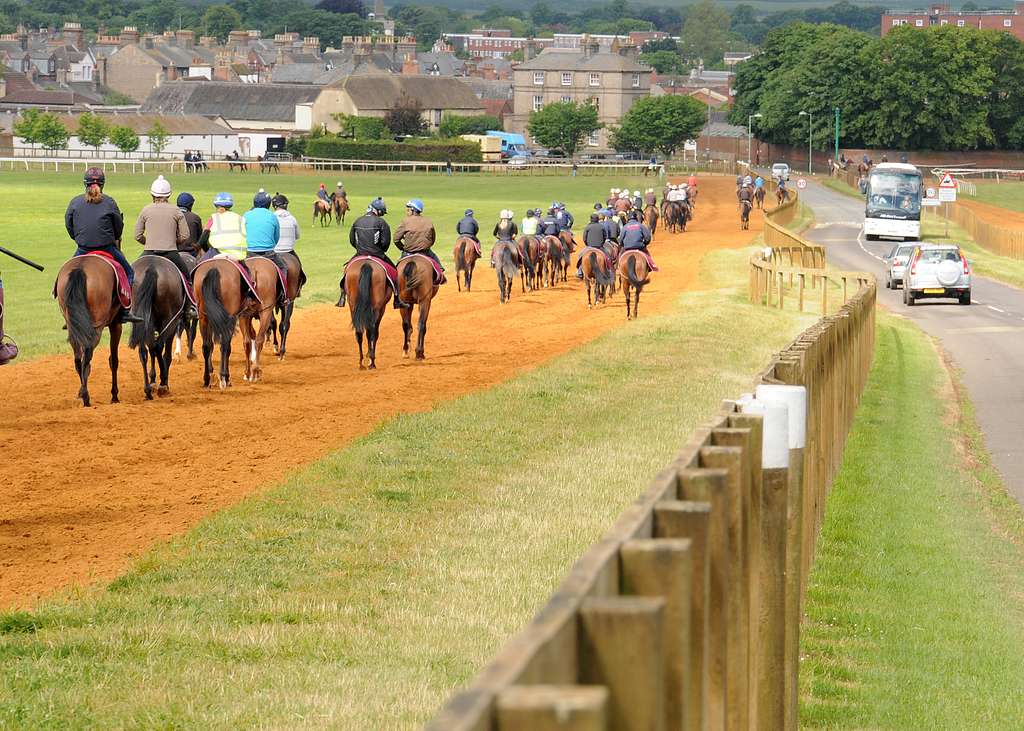

Newmarket Classics preview and ante-post betting guide
As the Flat season returns to Newmarket, this expanded preview complements the original race commentary by looking deeper at pedigrees, pace maps and betting strategy for the opening weekend Classics. The intention is to add practical insight for readers considering ante-post interest while remaining informational and responsible about wagering choices.
Form, pedigrees and staying questions for Guineas
Form lines from two-year-old campaigns and winter trials offer useful context but must be viewed alongside pedigree and physical development when projecting Guineas performance at a mile. Pedigree analysis, trainer patterns and the likely race shape combine to tell a clearer story than raw ratings alone.
Why Get Ahead appeals as an each-way ante-post option
Get Ahead’s profile combines proven sprint speed with a recent progressive run in handicap company, and that mixture can be valuable in a Group 3 early-season heat where class often trumps bare speed. Considering Clive Cox’s record with improving types and the booking of Rossa Ryan, there is each-way merit at bigger ante-post prices for punters who favour improving handicappers stepping up to pattern level.
Analysing pedigree splits for stamina versus speed
When assessing a sprinter stepping up to a mile, it is important to separate sire speed influence from dam-line stamina, and to weight recent action against breeding that previously produced a stayer. A balanced pedigree with proven middle-distance performers in the dam line reduces the risk that a bold pace from the front will see the runner fade late on.
Riding records and jockey bookings that matter most
Jockey decisions offer clues about confidence and tactical intent, and bookings such as Rossa Ryan on Get Ahead suggest an aggressive and beneficial partnership for positioning on Newmarket’s sweeping bends. Pay attention to how often the rider has produced a horse late on the Rowley Mile, since that local knowledge can be decisive in tight finishes.
Ante-post staking plans and avoiding overcommitment
Ante-post stakes should form part of a broader, banked plan with a capped liability to avoid overexposure if horses are withdrawn or change handicap marks significantly before the race. Smaller multiple coverage and selective single stakes on horses with clear improvement profiles often provide a better risk-reward than backing a long shortlist of favourites at short odds.
Assessing Little Big Bear’s chances over the Rowley Mile
Little Big Bear arrives with top juvenile form, notably the Phoenix Stakes win, and his pedigree contains both speed and stamina influences that suggest he can get a mile with the right tempo. The questions for ante-post players are whether he retains that cruising six-furlong turn of foot over eight and how he handles a busier Guineas field and different draw scenarios.
Key market signals and trainer form to monitor pre-race
Watch for early market moves, stable reports and entries from rival yards which often reveal confidence levels and intended targets, as these are reliable indicators of a horse’s readiness and the likely race plan. Seasonal patterns from key trainers, particularly how they prepare milers from two-year-old form into spring targets, should be tracked for both value and timing of bets.
How pace, draw and race shape affect Guineas prospects
Pace analysis is crucial on the Rowley Mile because a strongly run race can expose horses with doubts about intermediate stamina, while a tactical, slow-run contest can flatter those with a sharp turn of foot. Examining likely front-runners, potential pullers and sit-and-sprint types helps identify how horses such as Get Ahead and Little Big Bear could be advantaged or compromised.
Trainer tendencies and stablemate dynamics at Newmarket
Ballydoyle and other leading stables often run multiple contenders, and stablemate dynamics can shape a race through tactical deployment or pacemaking. Understanding how yards use horses together — whether to set a strong gallop or hold companions in reserve — is a valuable layer when forming ante-post opinions.
Weather, ground and how they change betting angles
Spring weather at Newmarket can alter the formbook quickly, and good-to-soft or soft ground will reshape favourites into either stronger claims or potential vulnerabilities depending on pedigree. Keep a close eye on forecasts and be prepared to reassess responses to any overnight rain that could transform the stamina requirements of a Guineas contest.
Value hunting in ante-post markets without overreaching
Value in ante-post betting often comes from identifying a plausible improvement, favourable jockey booking or a pedigree that suggests the horse will relish the extra trip, rather than punting on headline names out of habit. Anchoring choices to a clear reasoned case — such as a pattern of improvement, course suitability or proven stamina in the dam line — reduces reliance on short-term hype and offers sustainable ante-post opportunities.
Managing risk: withdrawals, non-runners and refunds policies
Ante-post bets carry additional risk around non-runners and late withdrawals, so always check individual bookmaker rules for dead-heats, non-runner refunds and place policy before committing stakes. Using comparison tools to understand each operator’s stance on ante-post payments and partial refunds can materially affect long-term returns and should inform where you place a given bet.
Responsible betting guidance and bookmaker comparisons
This site is for readers aged 18 and over, and all betting decisions should be made responsibly with clear limits in place to protect your finances and wellbeing. If you choose to place bets, only wager what you can afford to lose and consider using bookmaker tools such as deposit limits, time-outs and self-exclusion to help manage play.
Common betting questions ahead of the Guineas weekend
Below are concise answers to practical questions readers commonly ask when evaluating ante-post options for the opening Classic weekend at Newmarket.
Can Get Ahead handle quicker ground and pace?
Get Ahead has shown versatility and the recent run hinted at ability to recover from early trouble, but quicker ground will require evidence of turn of foot on faster surfaces in prior races; assessing both his race-day action and official going preferences provides the best guide. Monitor stable notes and any future runs on firmer ground before committing larger stakes.
What stamina clues does Little Big Bear show?
Little Big Bear’s dam line contains performers over longer trips and his physical development suggests scope for a mile, so pedigree and breeding give genuine stamina hope despite his juvenile sprint form. Watch for how connections set his winter work and any entries over intermediate trips that would confirm staying potential.
How should I view ante-post odds and bookmaker moves?
Ante-post odds reflect both market opinion and bookmaker liability, so larger moves often indicate insider support or heavy public money and can mark value or overreaction depending on context. Combining odds movement with independent evidence — stable comments, trials and the form of related horses — helps separate genuine value from short-term noise.
Is it sensible to back multiple Guineas contenders ante-post?
Backing a small number of credible contenders can be a sensible diversification strategy, but ensure stakes are proportionate and that liability would not leave you overexposed if several selections run in the same race. Consider staking each selection as a single proportion of an overall ante-post bank rather than increasing exposure blindly.
How do trainers’ spring preparations affect form lines?
Trainers tend to target specific prep races and schooling patterns ahead of the Guineas, and those preparations can be more informative than the bare result of a prep run; horses showing progressive work and pattern-race entries by a consistent stable are worth closer evaluation. Note how frequently a trainer targets the Rowley Mile with similar types and whether proven juveniles receive lighter or tougher pre-race work.
Where can I compare current offers and free bets safely?
To compare bookmaker offers responsibly, use reputable comparison tools that list terms, wagering requirements and opt-in criteria so you can make an informed choice without pressure. Always read the small print and consider offers only as one factor among many when selecting where to place a bet.
For a curated list of current bookmaker free bet offers and terms, you can explore our guide to top recommended bookmakers and their free bets at https://bestofbets.com/free-bets which summarises key details for new customers. If you are also interested in casino bonus promotions, see our affiliated offers and welcome bonuses at https://bestofbets.com/casino-bonus which list the main terms and conditions for those promotions.
Readers must be aged 18 or over to gamble and should treat all betting as entertainment rather than a source of income; if you are concerned about your gambling, help is available via recognised support services. You can explore current bookmaker offers through our comparison tools if you choose to bet responsibly, and remember that stakes should always be proportionate to your budget.