

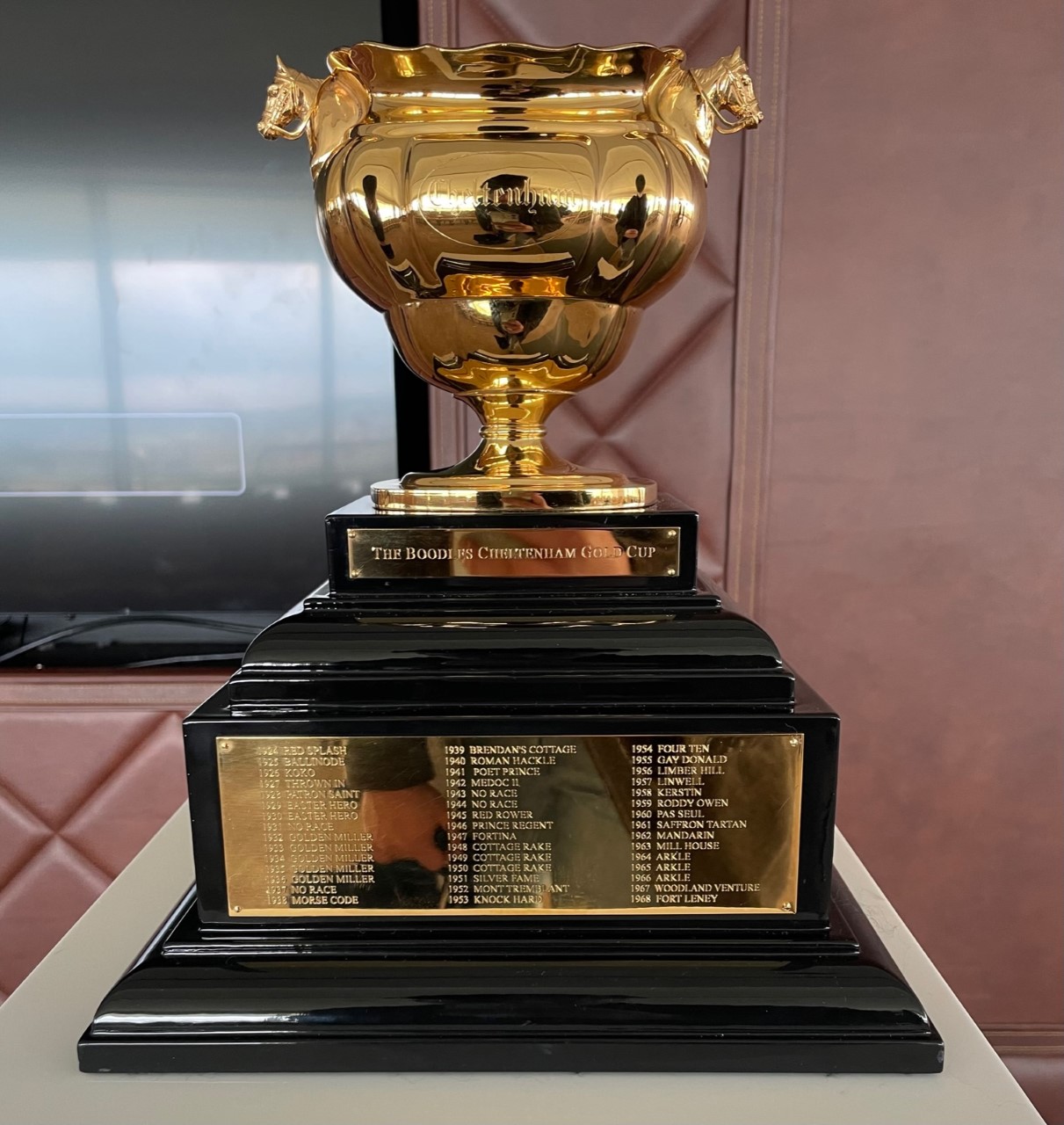

Cheltenham Festival Friday: County and Martin Pipe Preview
The final day of the Cheltenham Festival brings a distinct set of betting angles and form considerations that deserve focused attention ahead of the County Handicap Hurdle and the Martin Pipe Conditional Jockeys’ Handicap Hurdle. This preview expands on earlier race notes by exploring weight patterns, trainer and jockey clues, and sensible approach options for readers considering markets over the closing day.
Key Trends, Weights and Form Notes For Final Day
Handicap hurdles at Cheltenham often hinge on recent form, how a horse handles the hill, and whether a mark correctly reflects the animal’s current level, so pay particular attention to seasonal progression and any clear improvement patterns. In addition to raw form lines, trainer trends at the Festival, course-specific records and whether a horse handles soft or good ground will materially change its chance in a tight handicap situation.
County Handicap Hurdle: race dynamics and angles
The County often assembles a large, diverse field where speed, stamina and settling ability interact, creating opportunities for progressive types and older horses returning to a suitable mark. Handicap races without a standout favourite generally reward careful selection, with emphasis on course form, recent headgear changes and how the horse has travelled in defeat or victory.
How to assess handicaps and weights this week
Start by comparing current official marks with the horse’s form in standardized races—look for runs against higher-rated rivals or proven course performances that suggest a mark is lenient. Also consider whether the horse has been freshened or campaigned frequently, as a 100-day absence may explain a poor run but also raise concerns about race sharpness when returning.
Trainer form lines and course/schooling factors
Trainer stats at Cheltenham and recent stable form should be used as a filter rather than the only guide; trainers well-prepared for the Festival often send horses with a clear prep plan and course schooling. Note any stable switches or equipment changes, and whether a trainer has been sending conditional riders to get valuable weight allowances on hand-picked entries.
Jockey bookings, weight allowances and conditional tips
Jockey choices matter in big-field handicaps, especially when conditionals pick up riding penalties and allowances that can swing close finishes; a 5lb claim can be significant at Cheltenham’s distances. For the Martin Pipe in particular, check which conditional riders have recent winning form and how their claims interact with the handicap marks to find value without overpaying for headline names.
Why Gin Coco could improve on a quicker test
Gin Coco possesses a profile that suggests he may benefit from being ridden more prominently and from the quicker, reprofiled racing lines that sometimes favour horses with a turn of foot, so a slightly different tactic at Cheltenham could unlock improvement. His second to a high-class rival at the Greatwood and recent novice win indicate he handles quality company and may simply need a positive ride to translate that ability into a strong handicap showing.
When assessing Gin Coco, consider pace maps and draw bias — horses with tactical speed who avoid early traffic have historically flourished in crowded County renewals, and a small shift in race placement can bring a marked improvement late on the hill. Betting interest should be tempered by the usual festival cautions, but a run that confirms previous progressive pieces of form would make him dangerous at the quoted prices.
Examining Milkwood’s chance and trainer statistics
Milkwood arrives with a string of credible performances off higher marks and carries a profile that suggests he could be competitive off 141, given his stamina for the two-mile trip and his demonstrated ability to travel into races well. Neil Mulholland’s record with similar types and his willingness to target the Festival with fit handicappers gives an additional layer of confidence when considering longer-odds each-way plays.
Evaluate his recent runs in context: if his lesser efforts came over unsuitable trips or soft conditions, the mark could still be workable, and Mulholland’s training patterns often point to horses peaking for specific assignments. At bigger odds such as 33/1, Milkwood becomes an attractive runner for those seeking each-way returns rather than short-priced support in win-only markets.
Martin Pipe preview: Imagine, Firm Footings and trends
In the Martin Pipe, Gordon Elliott’s Imagine looks a clear prime candidate on paper with a mark that reflects exposure to decent rivals and a stable that targets this race frequently, while Firm Footings offers a potentially lenient British mark that could be exploitable over the intermediate trip. The Pipe historically rewards well-handicapped, forward-traveling types who handle a lively pace and respond to a positive ride from claimers.
Focus on horses that have shown a liking for Cheltenham’s unique uphill finish and have recent runs suggesting a return to form rather than long layoffs with no visible progression, as that combination matters in conditional jockeys’ contests where racing luck and race placement often decide placings. Market movement on the day will also help separate genuine contenders from speculative entries, so monitor early prices and trainer confirmations.
Practical race-day checklist for County and Martin Pipe bets
Before committing to a stake, confirm ground conditions, any late withdrawals and whether jockey claims have altered the expected weights, then reassess the best-priced options using these updated parameters. Keep stakes sensible and consider splitting selections across win and place markets to manage volatility in large handicaps and conditional jockey contests.
Situations where each-way value is preferable
Each-way value tends to be superior in large-field handicaps without a dominant form line, or when a single horse’s price is driven down by sentiment rather than clear edge on form, in which case backing multiple chances to place is a sound defensive strategy. For the Martin Pipe, each-way bets can also return good value if a well-handicapped novice shows course aptitude and a jockey claim reduces the theoretical burden.
Managing bankroll and responsible staking during festivals
Festival weeks can encourage over-staking due to excitement, so set a clear budget before markets open, stake a fixed percentage of that bankroll per selection and avoid chasing losses, as sustained losing runs are always possible in competitive handicaps. Remember that betting should be for entertainment by adults only; you must be 18+ to bet and always play within your limits.
You can explore current bookmaker offers through our comparison tools if you choose to bet responsibly.
For players interested in non-sports offers, our casino partners list current welcome bonuses and promotions for new customers.
Frequently asked questions about Friday Festival racing
Is betting on the County Hurdle a sensible wager?
The County can offer sensible betting opportunities when you identify a horse with improving form, a lenient mark or clear course form, but only stake if it fits your pre-set budget and strategy. Remember that no bet is guaranteed and all betting should be undertaken by those aged 18+.
How should I interpret handicap marks and recent form?
Use marks to compare apples with apples: a recent run against stronger opposition or at a higher mark can indicate the current mark underestimates the horse, while poor runs over wrong trips suggest cause for caution. Always factor in trip suitability, ground and any changes in equipment or trainer routines.
What role do trainers and course form patterns play?
Trainers with a record of Festival targeting and clear course success deserve weight in assessments, as do horses with proven Cheltenham form; both factors reduce uncertainty in big-field handicaps. However, treat stable trends as one piece of the puzzle alongside raw form and race-day conditions.
Are there jockey bookings that alter a horse’s chance?
Yes — a top conditional with a meaningful claim or a senior jockey noted for steering in big races can materially improve a horse’s prospects, particularly in close handicaps. Confirm bookings and any weight changes before placing a bet.
How can I stake responsibly around festival big days?
Decide a festival bankroll in advance, use fixed staking percentages for each selection and avoid increasing stakes after losses; responsible staking is about long-term enjoyment rather than chasing short-term gains. If gambling causes harm, seek support and consider self-exclusion tools provided by bookmakers.
Where to find bookmaker comparisons and free bet offers?
Our bookmaker comparison pages list current free bet and welcome offers for new customers, with clear terms and conditions so you can make informed choices without pressure. Always read offer rules and only use promotions if they align with your responsible gambling limits.
What is the best approach to conditional jockey handicaps like the Martin Pipe?
Look for horses with upward-trending form and rulings that favour weight claims, and give extra consideration to trainers who regularly place in conditional contests; these races reward tactical entries and well-timed fitness peaks. Keep stakes modest because these contests can be unpredictable despite clear-looking favourites.
Can I rely on small-priced market favourites at Cheltenham?
Favourites can win, but Cheltenham’s unique course and large fields mean surprises are common; analyse the reasons behind the price, such as an easy preparation or course form, before committing to a short-priced bet. Maintain realistic expectations and avoid chasing guaranteed returns, as none exist in betting.
Explore our updated list of top bookmaker free bet offers for new customers on this page: https://bestofbets.com/free-bets. For players interested in casino bonuses from our affiliated partners, view current offers here: https://bestofbets.com/casino-bonus.
Gambling is for persons aged 18 and over and should be approached responsibly; if you choose to bet, set limits and seek help if gambling stops being enjoyable.