

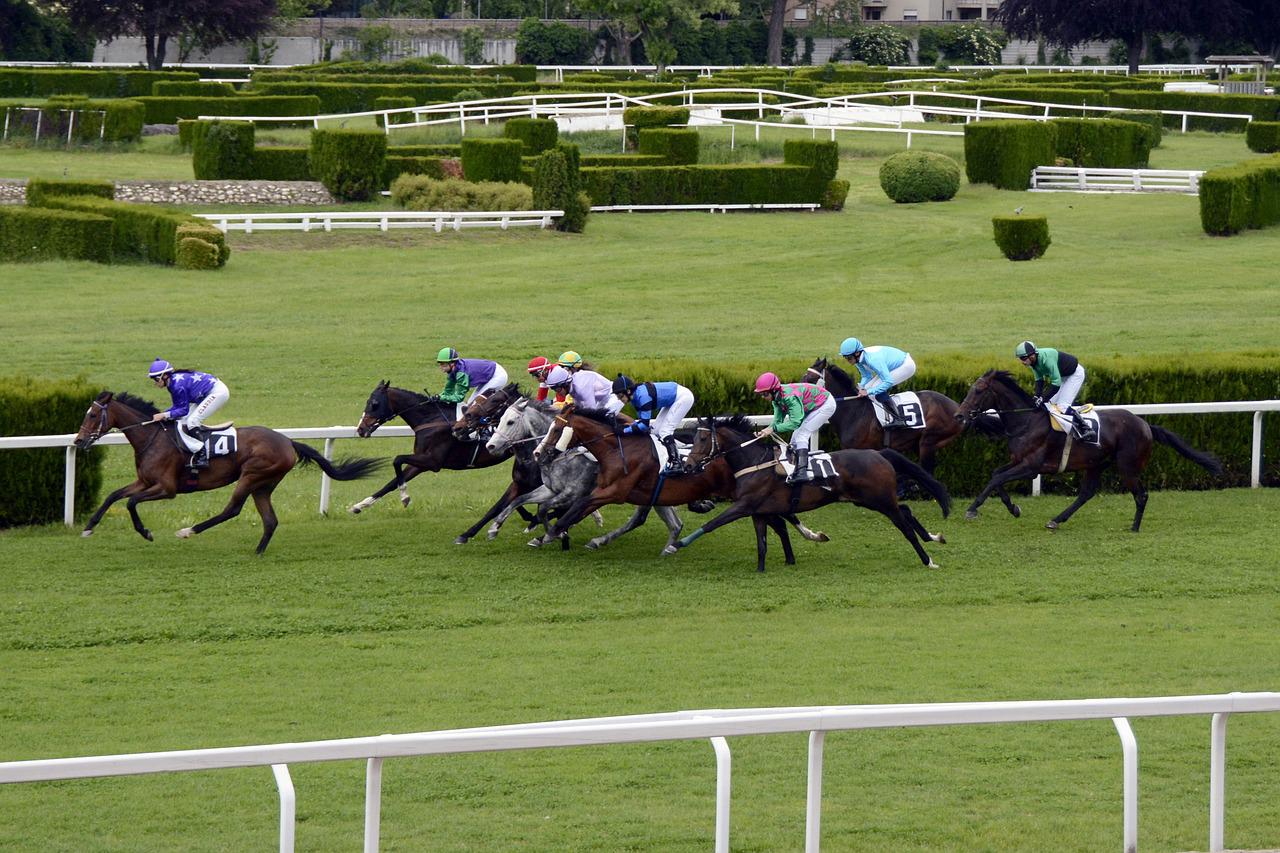

Aintree Festival: expert tips, analysis and picks
How we assess races, form and value before betting
Our approach blends race-specific form, trainer and jockey patterns, and how horses have handled similar tracks and distances in recent months to identify value at Aintree. We prioritise clear evidence over headline names and avoid weighty assumptions when markets are thin.
All content is for readers aged 18+ and intended to inform rather than encourage betting behaviour; please gamble responsibly and never stake more than you can afford to lose. If you are concerned about your gambling, seek support from recognised services and use self-exclusion or limit tools provided by operators.
Grand National: why Roi Mage is gaining appeal
Interpreting form: recent runs and trends
Roi Mage’s form from France and his competitive efforts over cross-country and staying tests suggest a profile suited to the Grand National’s unique demands, particularly when he races from a reduced weight. Look at his staying pedigree, recent finishing positions, and the manner of his runs rather than focusing solely on headline wins.
When assessing long-priced National contenders, consider consistent finishing patterns, experience over large fences, and how handlers target the race with prep runs; a sensible set of indicators can identify when big odds are genuinely supported by form. Always balance the appeal of a headline trainer change or jockey booking against the hard data of recent performances.
Liverpool Hurdle: Champ, freshness and market context
How ground, trip and age affect each selection
Champ’s record when fresh is a key factor and underlines the value of considering time since last run, especially at Aintree where the race rhythm can favour a horse returning in peak condition. Age and recent racing load should be measured against the likely ground and whether the prep run took more out of a horse than is obvious from finishing positions.
Market rivals coming off Cheltenham Festival runs present a different risk profile than a fresh horse; consider whether a previous hard race will leave a horse short of peak speed or whether a run at Cheltenham was a targeted prep that enhances fitness. A balanced view of form and fitness helps separate genuine contenders from those vulnerable to a form drop.
Aintree Bowl: Conflated’s strengths and race shape
Practical betting approach and responsible play
Conflated offers an interesting mix of improvement and course form that can be exploited if you identify race pace and likely tactics from rivals such as Bravemansgame or Shishkin. Evaluate how the race is likely to be run and whether Conflated’s recent pattern of improvement matches the race’s tempo and track demands.
When staking on big-field Group races, use disciplined sizing and consider split stakes across a primary selection and a market-proven alternative; avoid emotional over-backing and accept that value is about long-term returns, not single-race certainty. Remember that betting should be entertainment, not a financial plan.
Mersey Novices’ Hurdle: distance step and progressive types
Horses like Letsbeclearaboutit and Dark Raven present interesting cases for the Mersey as both have shown a blend of stamina and a turn of foot that the 2m4f trip can reward, particularly on Aintree’s flatter circuits. Focus on how they travelled through races over longer trips and whether stepping down or up has been shown to unlock improvement in the past.
Novice staying hurdles frequently produce late-developing performers and trainers who step a horse up in trip for tactical advantage; look closely at schooling reports, recent official notes, and whether the yard has a history of placing horses to peak at big spring meetings. Limit exposure where the form is thin and favour selections with multiple positive indicators.
Topham and national fences: assessing Phoenix Way
Phoenix Way’s lower mark and recent form suggest a competitive chance in the Topham provided the horse handles the unique nature of the national fences and the speed of the race around Aintree’s turning track. Examine past performances under similar tactical scenarios and keep an eye on jockey claims and fitness indicators ahead of the race.
For handicap chases around the big fences, small margins in form and tactics can swing outcomes, so staking sensibly is essential; if a selection represents value against an inflated market, a modest multiple or each-way stake can be a measured way to participate. Always check race-day declarations and any late jockey or ground changes before committing funds.
William Hill Handicap Hurdle: a look at Jason The Militant
Jason The Militant’s fall in class and a new trainer combination alongside a potential jockey claim provide a logical reason to consider him, especially if the ground softens as forecast. Assess whether the drop in official rating is supported by recent trial form and whether the current mark aligns with past peak performances.
Long-priced punts have their place but should be part of a diversified approach rather than an emotional one-off; preserving bankroll and using small proportionate stakes keeps the experience responsible and sustainable. Consider using form trackers and bookmaker comparisons to ensure you obtain competitive terms when you place a bet.
In-running and market moves: timing and caution
In-running markets at Aintree can fluctuate rapidly, particularly around big fences and when favourites falter; if you plan to trade in-running, set clear entry and exit rules and stick to them to avoid impulsive decisions. Pre-commitment to a stake size and targeted profit or loss limits helps maintain discipline under pressure.
For those who prefer pre-race bets, monitor market drift or shortening as an indicator of insider support or late money, but always weigh these moves against independent form assessment rather than following crowd behaviour. Use bookmaker comparison tools to find the best available prices and terms before placing a bet.
Choosing bookmakers and finding the best value
Comparing prices and promotions across operators improves long-term value and ensures you are not losing margin through poor terms or restrictive rules; check each bookmaker’s policy on non-runners, voided selections, and bet edits for race-day clarity. Make use of free bet offers sensibly, read the small print, and treat them as part of an overall value assessment rather than an incentive to stake more.
We recommend reviewing bookmaker reputations, available markets, and in-play capabilities when selecting where to place a bet; a broad market offering and sensible customer-service track record are as important as headline bonuses. Always use trusted operators and consider responsible gambling features they provide, such as deposit or loss limits.
Festival checklist: practical tips for Aintree race day
Before heading into race day, confirm declarations, study the going and watch for late-scratchings or jockey swaps that materially alter race dynamics, then lock in your stakes. Keep records of bets to review performance and refine selection criteria for future meetings, avoiding chasing losses after poor runs.
Finally, accept that big meetings have high variance and that short-term losing runs are normal; plan your betting budget in advance and treat stakes as entertainment spend. If you feel betting is becoming a problem, use operator tools to restrict activity and seek help if necessary.
You can compare current bookmaker free bet offers and see our recommended providers here: https://bestofbets.com/free-bets, and use those comparisons to make informed, responsible choices. For players also interested in casino promotions, our guide to casino sign-up offers is available here: https://bestofbets.com/casino-bonus.
Frequently asked questions about Aintree tips and betting
What should I consider when backing a long-priced National entry?
Look for consistent staying form, experience over big fences, and recent runs that suggest the horse is in good condition rather than recovering from a tough campaign. Always stake conservatively and avoid treating long shots as a financial strategy.
How much should I stake on festival selections?
Stake size should be a small, fixed percentage of your overall bankroll that you can afford to lose, preserving funds for future staking opportunities. Avoid increasing stakes after losses and use limits to keep play within affordable levels.
Are market moves before the race a reliable signal?
Market moves can reflect informed support but are not foolproof; they should be interpreted alongside form analysis, trainer patterns, and race conditions rather than relied upon alone. Sudden late money can indicate support, but always check for contextual reasons like a jockey booking or eased ground.
Should I prefer fresh horses or those coming straight out of Cheltenham?
Freshness versus festival form is race-dependent; some Aintree races favour a fresh horse that has had a break, while others suit those who sharpened at Cheltenham. Evaluate each horse’s recovery profile and whether the Cheltenham run was a hard race likely to blunt performance.
Is it sensible to use multiple bookmakers for the same bet?
Using multiple bookmakers can be sensible to secure the best price or improved terms, especially for larger stakes, but keep records of accounts and ensure familiarity with each operator’s rules. Comparing odds is a routine part of obtaining value and should be done responsibly.
What responsible gambling steps should I take before the Festival?
Set a strict budget, use deposit and loss limits offered by operators, and decide in advance how much time and money you will allocate to betting over the meeting. If play becomes worrying, contact support services and consider temporary self-exclusion.
How should I approach each-way bets at Aintree?
Each-way bets can offer value where there are clear secondary finishers and stable form, but check the terms for places and the number of places paid by bookmakers. Size your each-way stakes carefully to maintain overall bankroll discipline.