
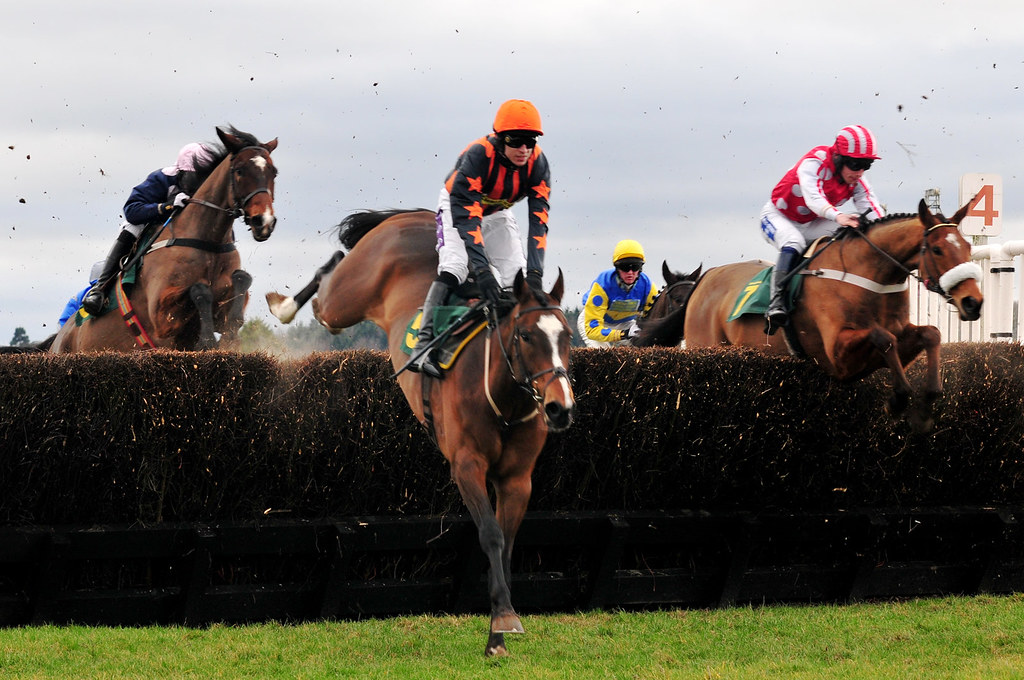
Saturday Racing Tips, Analysis and Betting Guide
This expansion complements the existing race-by-race selections and offers practical guidance on assessing Saturday’s Sandown and Aintree cards. Please remember that all betting content is for people aged 18 and over and is intended for information only; gamble responsibly.
How to assess each race and make selections
Start by building a short checklist for every race that covers form, official rating, trip suitability and likely ground preference before you look at prices or market moves. A methodical approach reduces impulse betting and helps keep stakes aligned to the strength of the selection’s case.
Form, ratings and class: what to focus on
Compare recent finishing positions with the official ratings to spot potential under- or over-performance; a horse running well off a reduced mark can offer genuine value. Look beyond headline wins and examine who the horse beat, the quality of the opposition and whether the runs were on comparable ground and trip.
Course and ground: why they change outcomes
Course characteristics such as undulations, fences and draw bias interact with ground to affect stamina and speed; a horse proven on heavy or soft turf holds a specific advantage on testing days. When a selection like Spirit d’Aunou prefers softer going, that should carry explicit weight in your assessment and sizing.
Jockeys, trainers and recent workload considerations
Trainer patterns and jockey bookings are useful short-cuts: strong combinations that target particular races often indicate planned campaigns rather than reactive entries. Also factor in how many runs a horse has had this season and whether it usually performs best fresh or after a run or two.
How to size up each tip: stakes and type of bet
Decide your stake size before looking at final prices and use consistent staking rules such as fixed percentage or unit-based plans to protect your bankroll. For horses with clear improvement possibilities but a level of uncertainty—such as those stepping up in trip or returning from a layoff—each-way can be a sensible compromise.
Interpreting official ratings and handicap marks
Official ratings give an objective starting point but should not be the only factor; ratings reflect past performances and can lag behind a rapidly improving horse. Compare a runner’s current mark to previous winning marks over similar trips and conditions to gauge whether the handicapper has left room for improvement.
The impact of layoff, wind-ops and fitness checks
Layoffs often precede improved seasonal performances, particularly when a horse historically runs well on its second start after a break; this is evident with some selections who have shown improvement after a wind operation. Always check recent race-riding and stable comments for clues on fitness rather than assuming a long absence is negative.
When to pick each-way versus a straight win wager
Use each-way bets where the field depth, priced odds and the number of places on offer make them appropriate; small fields or short-priced favourites typically reduce each-way value. Also consider ground and race shape: if a contender likes soft going and the ground is expected to play to a few rather than many, that increases each-way appeal.
Applying these principles to the day’s highlighted selections
With Henri The Second, No Risk Des Flos and Spirit d’Aunou already discussed in detail, apply the checklist: match ratings to past wins, confirm trip preferences and factor in likely ground. Where the market offers three-place each-way terms it can reflect depth and give a clear framework for deciding stakes against the perceived chance.
Bankroll and responsible gambling practices for racegoers
Set a betting budget you can afford to lose and stick to it; do not chase losses or treat betting as a way to resolve financial issues. If you feel betting is becoming a problem, use tools such as stake limits, session timers and self-exclusion offered by licensed operators, and seek support from recognised helplines.
Using bookmaker comparisons and offers responsibly
Comparing prices and sign-up offers is sensible for value-seeking bettors, but never let promotions change your judgement about whether a bet represents value. You can explore current bookmaker offers through our comparison tools if you choose to bet responsibly and meet eligibility rules.
Race-day checklist: practical steps before placing a bet
Confirm the official going, final declarations and any late jockey changes, then reassess whether the early-case for your selection still holds at the time of betting. Keep records of bets and returns to monitor long-term performance and refine your selection process over time.
Reading market moves and late information
Market moves often reflect smart-money signals, stable reports or late rain that changes the ground; strong shortening of a runner can be informative but always cross-check the reason. Avoid reacting to market noise without understanding the context, and use moves as one element of a broader assessment rather than the sole justification.
How to follow horses, trainers and angles across meetings
Track horses and trainers across meetings to identify recurring patterns such as targeting specific races or favouring certain ground and trip ranges. Use reliable racecards, form guides and trainer notes to build context rather than relying on isolated performances.
We list recommended bookmakers and free bet offers to help you compare sign-up promotions in one place, so you can make informed choices about where to place a bet responsibly: https://www.bestofbets.com/free-bets
For readers interested in casino bonus comparisons, our affiliate offers and casino welcome bonuses are gathered here for reference and must be used responsibly: https://www.bestofbets.com/casino-bonus
How should I read form lines and recent runs?
Look for consistency and the level of opposition faced; a string of strong closes to races can indicate improving form even without wins. Pay attention to conditions of those runs to see if they match the upcoming assignment.
When is each-way a better option than win?
Choose each-way when a selection has a solid chance but is a long price, or where bookmakers offer extended place terms that represent value. Avoid each-way in very small fields or when the favourite is dominant and places will be hard to secure.
Do long layoffs or wind-ops affect performance?
Layoffs can be positive if the horse has previously shown improvement after a break, especially when a wind operation addresses known issues. Always check stable commentary and previous seasonal patterns before assuming form will be affected negatively.
How much should I stake per selection safely?
Use a fixed-percentage model of your betting bankroll or a unit staking plan to manage risk and avoid volatility in your returns. Never stake money you cannot afford to lose and avoid increasing stakes to chase losses.
Where do official ratings fit into betting choices?
Official ratings are an objective starting point that help compare horses across races, but they should be balanced with form, trip and ground factors. Ratings can miss recent improvement, so combine them with qualitative analysis.
Can bookmaker offers change my value assessment?
Promotions and sign-up offers can alter the effective price you receive, but they should not override your view on a horse’s chance or lead to over-betting. Treat offers as a secondary consideration that can enhance value when the underlying selection still makes sense.
How do I follow a horse or trainer across meetings?
Monitor entries, declared runs and trainer commentaries to spot campaigns and patterns; note if a trainer targets specific types of races or ground. Following a horse’s seasonal progression provides context that single-run formlines can miss.
What age and responsibility rules should I follow?
You must be 18 or over to participate in any betting activity in the UK and always use licensed operators that provide player protection tools. If gambling causes harm or stress, seek support and use self-help tools provided by betting companies or specialist organisations.