

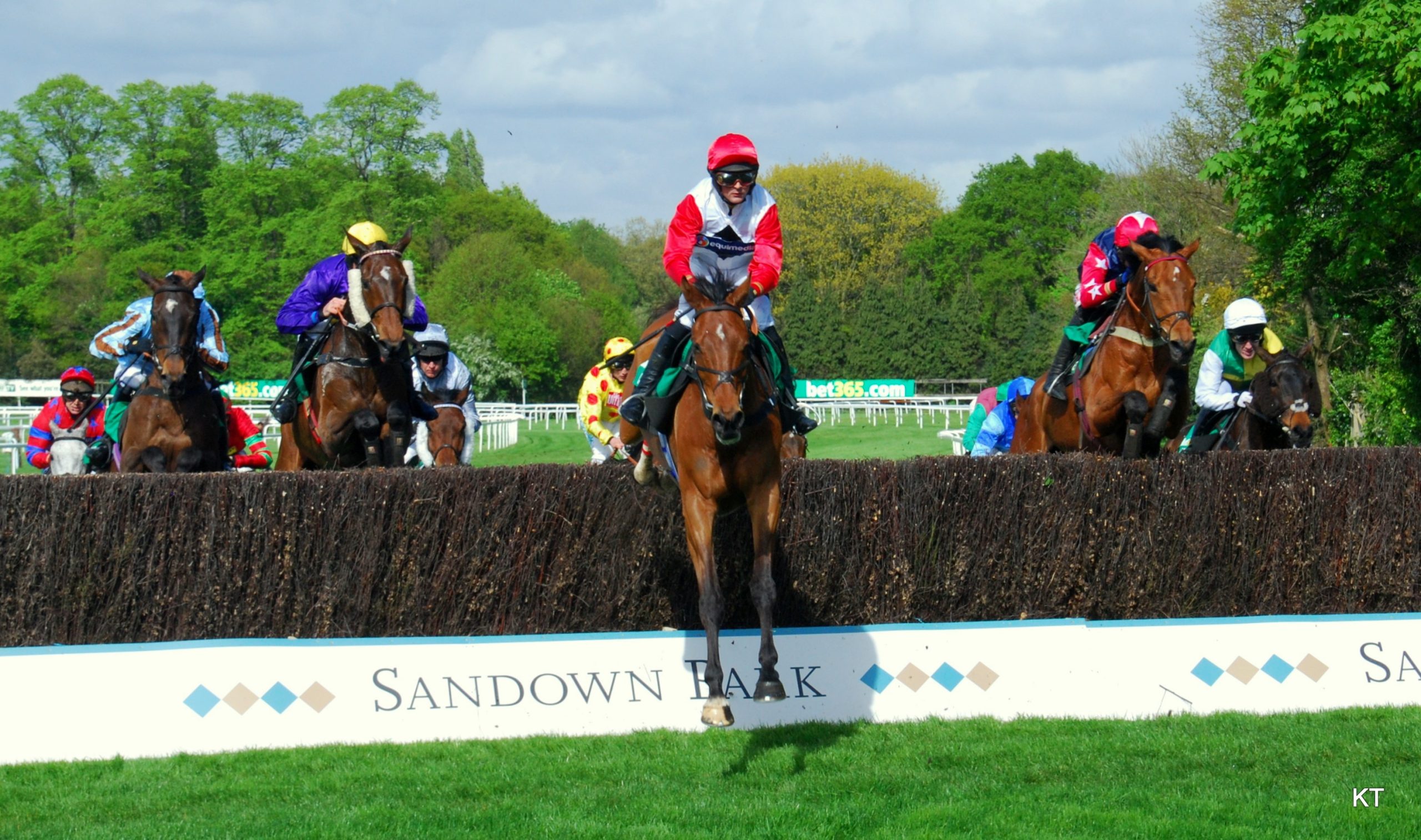

Sandown December Preview and Expert Betting Guide
This expansion builds on the race notes and selections already on the page and offers further race context, tactical angles and a concise betting approach for Sandown’s December card. Please note that all betting is for those aged 18+ and should be undertaken responsibly.
In-depth race-by-race notes and selection reasoning
Below you will find additional form pointers, likely race scenarios and market angles that complement the selections already made for Quebecois, Handstands and Passing Well. These notes aim to help you understand the reasoning behind each pick without suggesting betting is a route to profit.
Analysis and verdict on the 1:58 Winter Novices’ Hurdle
The Winter Novices’ Hurdle at Sandown looks a key early-season test for progressive staying hurdlers, and race shape will be decisive for horses who travel better than they sprint. Stable form, recent race fitness and the manner of past victories will be especially important when assessing finishing speed on the good-to-soft surface.
How ground and weather influence Sandown outcomes
Sandown’s undulating track rewards galloping horses who can handle cut in the ground, so any softer rain will favour those who have produced form on soft or heavy going. Check late weather reports and be cautious with horses whose best performances have come on quick ground only.
Why Quebecois appeals for the Winter Novices’ Hurdle
Quebecois’s novice hurdle form shows both a high cruising speed and a progressive profile, qualities that are advantageous around Sandown where races often favour a strong gallop. His Chepstow success and the way Paul Nicholls typically places these types in grade-A targets give him an attractive profile without claiming certainty.
Trainer and jockey angles to note for December cards
Paul Nicholls tends to place improving novices into suitable spots, and Ditcheat runners often need a run or two to show their peak, which must be considered when backing short-priced types on return. Likewise, a jockey in-form at Sandown who times their finishing run well can transform each-way hopes into wins, but selection should consider both form and pace map.
Key factors in selecting Handstands for 2:33
Handstands carries a appealing stamina pedigree and recent form over shorter trips suggests he can improve for the step up to three miles on softer ground. With rain forecast and a tendency for the track to ride soft, his staying pedigree and recent finishing habit make him a logical contender without promise of a win.
Betting strategy: stakes, markets and responsible play
A measured staking plan reduces pressure; consider flat stakes or small multiples and avoid chasing losses, remembering that past form does not guarantee future results. You can explore current bookmaker offers through our comparison tools if you choose to bet responsibly and only with money you can afford to lose.
Passing Well chances and each-way value at 3:03
Passing Well’s profile points to a consistent type who handles a freshener and should be effective over three miles on soft ground when the race settles into a staying test. The each-way quote available in the market gives a defensible way to back him while recognising there are stronger race-fit rivals.
How to interpret recent seasonal reappearances
Some horses like Passing Well run well fresh and can be underestimated by markets if their last-season form is several months old, so look for clear evidence of winter work and a positive reappearance. Conversely, some defenders need a run to sharpen up, so recent schooling reports or stable comments can be as relevant as raceday odds.
Race tempo and how it shapes finishing chances at Sandown
Sandown’s run-in can reward horses who can sustain a strong gallop, so a slowly-run race that turns into a sprint can disadvantage staying types who prefer a long, galloping test. When analysing the field, identify probable front-runners and assess which horses will either be suited by a steady pace or will benefit from a sustained test.
Identifying pace maps and likely leaders
A shortlist of likely front-runners simplifies selection: those who have led or run prominently recently are likelier to set or take part in the early pace. Backing tactics should reflect whether your selection is a natural leader, does best stalking a strong gallop, or needs others to make the running for a late surge.
Form lines to watch and trapdoors in the card
Cross-referencing form from similar tracks and distances is vital; look at who has run well on right-handed undulating tracks and who has failed on the stiff finishers. Beware inflated short prices where form came on very different ground or in low-quality fields, and give extra consideration to horses with recent wins over comparable trips.
Market movement and what it reveals
Early price moves often reveal stable confidence or fresh market support, while late money on an outsider can indicate a positive trackwork report or a warm endorsement from a well-backed syndicate. Use market context to refine selections but avoid following market moves blindly; always cross-check with the race conditions and formbook notes.
How to manage multiple selections across the card
When you like several horses on a card, prioritise them by value rather than sentiment, allocating proportionate stakes to reflect probability and odds. Consider limiting exposure with singles, small multiples or conservative each-way plays rather than large combinations that magnify risk.
Practical race-day checklist for Sandown betting
Before placing a bet check the final going description, any non-runners and the market for late information on jockey bookings or wind operations. Confirm your stake plan and set a stop-loss for the day to maintain responsible play.
You can explore current bookmaker offers through our comparison tools if you choose to bet responsibly; these resources list available free bet promotions and welcome offers for new customers.
For those also interested in casino promotions, our casino bonus page shows current offers and terms from affiliated sites for new customers to review responsibly.
Common questions about these Sandown selections
Is Quebecois a realistic winner at Sandown today?
Yes, Quebecois has the form and profile to be competitive, particularly with his Chepstow performance and proven novice hurdle pace. Remember all betting is for over-18s only and outcomes are never certain.
What makes Handstands suited to today’s conditions?
Handstands has shown staying aptitude and a preference for softer ground, which should help on a rain-affected Sandown track. This suggests improvement over three miles but does not guarantee a win.
Does Passing Well represent strong each-way value?
Passing Well’s consistent form and ability to run fresh make him an each-way proposition at the quoted prices, especially in a competitive handicap. Use each-way placement terms and stable notes to judge value rather than relying solely on headline odds.
How should I size stakes for these Sandown selections?
Stake according to a pre-defined plan, such as a fixed percentage of your betting bankroll, to avoid emotional decisions and over-exposure. Keep stakes modest and never chase losses.
Where can I compare bookmaker odds and offers safely?
Use reputable comparison tools to view up-to-date odds and bookmaker terms before placing a bet, and ensure you read each offer’s T&Cs. Always prioritise licensed UK bookmakers and check for responsible gambling resources.
Are there weather or track warnings to consider today?
Yes, late rain can significantly change the going and therefore expected race shape, so monitor official going reports up to race time. Adjust your selections if the ground softens beyond the profiles of your preferred horses.
What responsible gambling steps should I follow?
Set a budget, use deposit limits or time-outs provided by licensed operators, and never gamble with money intended for essential expenses. If gambling stops being fun or becomes harmful, seek support from UK gambling help services.