

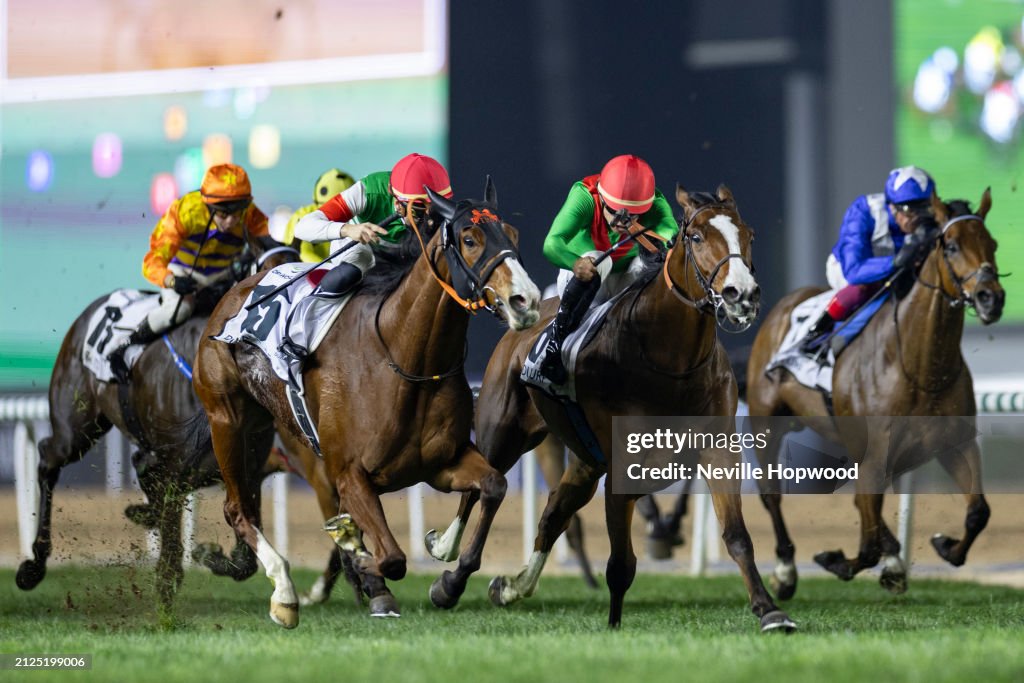
Queen Elizabeth II Stakes Preview and Betting Guide
Form, Conditions and How the Race Shapes Up
The Queen Elizabeth II Stakes at Ascot is a top-level mile where form, ground and race shape all interact to determine chances. This section expands on variables not covered in the original copy and gives practical context for assessing runners and market pricing.
Why Facteur Cheval Suits Softer Ground Conditions
Facteur Cheval’s best wins have come on soft or good-to-soft turf, and his record on yielding surfaces suggests a preference that could be decisive on the day. If the forecasted rain arrives, his stamina-laden profile and previous heavy-ground success make him an obvious consideration for a bold showing.
That said, form on quicker going has not been absent, so angle assessment should factor in both class and ground. Look for late pace indicators and jockey engagement on testing turf when weighing up his chances.
Track and Weather Influence on Race Outcome
Ascot’s straight mile is exposed to changing underfoot conditions more than some venues, and cut in the ground often hampers horses who rely on a strong turn of foot. Forecast-driven adjustments to expected time and sectional splits are essential for realistic market interpretation.
Consider recent weather, watering patterns and course reports from Friday to last-minute market moves on race morning. Bookmakers and exchange prices can shift quickly when official going descriptions are updated.
Charyn’s 2024 Campaign, Ground and Form Analysis
Charyn has enjoyed a high-class 2024 season and remains a leading rival, but ground concerns could curtail his upside if Ascot offers heavy underfoot conditions. The colt’s record on juicier turf is solid but unproven on heavy ground, which introduces uncertainty into value assessments.
Form lines against mutual opponents such as Facteur Cheval and Paddington should be contextualised by course and trip on each occasion. Market sympathy often reflects headline form, so seek situations where ground and pace invert perceived superiority.
Form Patterns, Course Experience and Trainer Notes
Course experience at Ascot and tactical placement by trainers can swing races at this level, so check how each camp has targeted Champions Day with prep runs and intended ground preferences. Trainer patterns for targeting end-of-season Group 1s often reveal planned peaking strategies and jockey choices.
Examine recent stable form and comments from connections, but treat public quotes as informational rather than definitive. Consistent patterns over a season are preferable to one-off trainer optimism when judging readiness.
Other Likely Contenders and Each-Way Prospects
Runners such as Quddwah and Checkandchallenge provide broader depth to the field and cover different ground and pace profiles, offering potential each-way value if the favourite pair underperform. Quddwah’s Ascot experience and softer-ground credentials make him a credible alternative in the placings.
Checkandchallenge has shown improvement post-gelding and may offer a value proposition to place in a competitive renewal if conditions suit. Each-way strategies can be effective in large, open Group 1 fields where clear form gaps are limited.
Betting Angles, Market Moves and Value Picks
Value is relative in Group 1 contests, so combine quantitative form checks with qualitative indicators such as ground call, draw bias and intended tactics. Market moves after the declaration stage and on race day often reveal sharper money and inside confidence, which can be followed selectively.
Consider limiting stakes to a sensible proportion of a pre-determined bankroll and use each-way coverage selectively to manage variance. Remember that past performance is a guide not a guarantee and favour long-term staking discipline over short-term chasing.
Tactical Scenarios and Pace Map Implications
Ascot’s straight mile can favour different run styles depending on ground and the presence of front-runners; a strong early gallop can bring stamina-laden types to the fore. Conversely, a tactical, slow-run race will reward horses with a decisive turn of foot down the inside.
Create a simple pace map by identifying likely leaders and sitters, then compare those roles to each horse’s finishing style. In-running jockey decisions and position can alter expected finishing splits, so keep an eye on drawn positions and likely race trajectory.
In-running Tactics and Switch-Ups to Monitor
Jockey choices and in-running tactics matter in a tightly contested mile, where a well-timed move or inside switch can gain fractions worth several lengths. Monitor trainers who favour positive rides or conservative holds, as that will determine whether a race turns into a sprint finish or a sustained drive.
On heavy ground, conserve speed early can be rewarded late, so watch for jockeys who have previously ridden similar horses on testing turf. Those patterns often translate into repeatable in-running strategies worth noting for betting decisions.
Trainer and Jockey Match-Ups to Watch on Day
Match-ups such as Varian versus top French trainers, and jockeys like Silvestre De Sousa, influence both betting and race execution, particularly at Group 1 level. Trainers targeting Champions Day will send information-packed entries, so review jockey bookings to infer intended tactics.
Jockey-trainer partnerships with a recent run of form should carry weight but do not overshadow objective form and suitability. Consider the combination of rider judgement on testing ground and trainer readiness when assessing overlays and underlays in the market.
How to Use Each-Way Coverage and Staking Plans
Each-way betting in deep Group 1 fields can reduce variance, especially when backing horses with genuine place credentials on the likely going. Adopt staking plans that define maximum exposure per market and combine win-only small stakes with broader each-way coverage for plausible outsiders.
Avoid increasing stakes to chase losses and never stake more than you can afford to lose; this keeps betting recreational and within responsible limits. Keep records of bets so you can review strategy effectiveness over time and adjust with discipline.
How Weather Forecast Could Alter The Betting Market
Weather models that predict Friday and Saturday rain will shift the market towards proven soft-ground performers, particularly those with wins on heavy turf. Traders and informed punters typically react early, so watch for early-morning price shifts if the forecast hardens to wetter conditions.
If rain arrives late, in-running odds and late market moves can offer opportunities for nimble bettors, but those moves often reflect sharper money rather than value. Pre-race checks on the official going and track specialist notes are essential for final selection choices.
How to Use Each-Way Coverage and Staking Plans
When assessing over-round and bookmaker coverage, calculate whether the each-way terms (places and fractions) match the true likelihood of a runner placing. Use conservative stake sizing and favour markets where each-way terms offer fair compensation for risk.
Stay within your pre-planned staking limits and be mindful of promotional restrictions or enhanced place terms that can distort perceived value. Responsible staking remains the best tool to protect long-term enjoyment and bankroll stability.
Value Betting Approaches For Long And Short Prices
Short-priced favourites often dominate Group 1 markets and can be overbet on headline form alone, while long-priced runners may offer value when conditions tilt in their favour. Value betting requires comparing implied market probability to your own assessed probability based on ground, pace and form nuances.
Use small, consistent stakes for speculative each-way plays and reserve larger stakes for situations where your edge has multiple supporting indicators. Never treat betting as an income source and always keep recreational limits in place for enjoyment and control.
How Race Distance And Course Bias Could Play Out
The straight mile at Ascot rewards a blend of cruising speed and the ability to quicken late, which is why horses with a hybrid profile often fare best. Track bias can develop with weather and course maintenance, so consult form guides and local reports to detect any inside or outside advantages.
Distance specialists stepping down or up must be assessed for adaptability; do not overvalue flat form if the horse lacks proven sharpness at mile. Consider running style and course adaptability in any final selection matrix to avoid common pitfalls in market interpretation.
All content on this page is intended for readers aged 18 and over and for informational purposes only; never bet more than you can afford to lose. If you feel your gambling is becoming a problem, seek help from organisations such as GamCare and use tools like deposit limits and time-outs to manage activity responsibly.
You can explore current bookmaker offers and compare free bet deals on our recommended bookmakers page to make informed choices. For casino players, our casino bonus page lists affiliated offers for new customers so you can review available promotions responsibly.
Common Questions On The Queen Elizabeth II Stakes
What are the key form pointers to consider for betting?
Focus on recent Group-level form, soft-ground performance and consistency over a mile, then cross-reference trainer targets and jockey bookings. Consider head-to-heads only after adjusting for ground and race shape.
How important is soft or heavy ground to chances?
Ground can be decisive: horses with multiple wins on soft or heavy turf gain a meaningful edge when the going tests stamina. Conversely, those unproven on heavy should be downgraded where the forecast points to significant rain.
Which trainers and jockeys should be on the radar?
Look for trainers with a record of peaking horses for Champions Day and jockeys with proven Ascot mile experience, especially on testing turf. Combinations with recent top-level success warrant closer market respect.
How does pace and draw affect a straight mile at Ascot?
Pace determines whether a race becomes a sprint finish or a stamina test; the draw can influence early positioning but is less decisive than on a turning track. Map likely leaders and sitters to infer which profiles will be favoured.
Are there clear each-way plays given the likely market?
Each-way value exists where horses have credible place form and the market overprices a few favourites, but selection should be conservative and part of a disciplined staking plan. Use enhanced place terms only where they offer true additional value.
What responsible gambling steps should punters remember?
Only bet if you are 18 or over, set and stick to affordable limits, and use bookmaker controls such as deposit caps and time-outs to manage play. Seek support if betting causes harm, and treat wagering as entertainment rather than an income source.
Where can I compare bookmaker offers and free bets safely?
Use comparison pages to review current free-bet offers, terms and eligibility before placing a bet, and ensure any promotion meets your needs and budget. Always check wagering requirements and withdrawal conditions on promotional deals.