

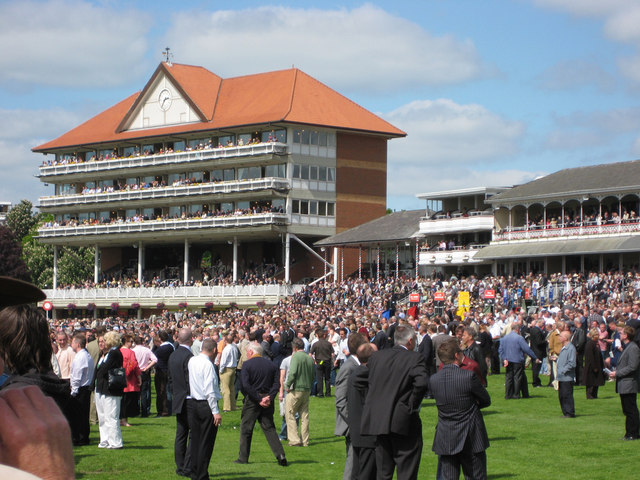
York Ebor Festival Day One Tips and Analysis
This supplementary guide expands on our Day One coverage at York’s Ebor Festival and offers deeper insight into selection rationale, race trends and betting context for readers following the original piece above. The focus remains on informed, responsible reading of the card rather than urging bets, and the commentary is intended for UK readers aged 18 and over only.
How to assess the key races at York today
Start by combining form, draw, pace maps and ground preference to build a clear picture for each race, then cross-check market moves and trainer targeting to validate selections. Always treat betting as entertainment and never a solution to financial issues; aim to bet only with money you can afford to lose and stick to sensible staking.
Evaluating City Of Troy in the Juddmonte race
When assessing City Of Troy consider his size, galloping action and recent tendency to hang, as the half-mile run-in at York suits big, long-striding types provided they can travel straight under pressure. The pedigree and previous run patterns suggest he can handle a faster surface and the step up in class here is logical, but attention to how he has schooled and handled the draw on raceday will be telling for his finishing kick.
Interpreting recent form lines and sectional times
Sectional analysis from recent runs is crucial at York where a sustained gallop and a closing sectional can reveal whether a horse is built to stay and quicken over the straight half-mile. Compare times from similar-distance races and adjust for pace bias and ground; faster opening sections can blunt closers while a true-run race benefits horses with stamina and a late burst.
Key early pace and draw factors at York today
York’s wide, sweeping turns and long straight mean the early pace and draw position can determine ground gained or lost, especially in sprints and middle-distance handicaps. Low draws can be useful in sprints where early tuck-in is possible, while prominent numbers or stall proximity to the rails can confer advantage in races where a seam or rail bias develops.
Using breeding and draw to refine your bets
Breeding often signals stamina versus speed and is helpful when questioning which horses will relish the straight course or a drop in trip such as Ambiente Friendly’s profile suggests. Combine sire and dam distance tendencies with the draw to refine likely frontrunners or closers, then check how trainers have previously targeted the race with similar types.
Selecting value in juvenile and nursery events
For juveniles like Yaroogh, look for horses with race experience in fast-run maidens or proven form at Newmarket or Haydock, as those tracks often produce performances that translate well to York. Betting value is frequently found in progressive youngsters stepping up in trip or switching from maidens to listed contests, but remember juveniles can regress and race reading must be cautious.
Practical staking and market interpretation tips
Use multiples with restraint and size stakes proportionally to perceived edge; favour small, consistent stakes rather than chasing large returns on long shots in competitive handicaps. Markets reflect information from connections and early money, so watch for late moves and trainer confirmations on social channels, but avoid letting market noise override sound form-based judgement.
Handicap trends and trainer targeting at York
Northern trainers often aim key handicaps at York through the season, and patterns such as targeting by specific stables or repeat entries can point to horses being ready to peak for these events. When a runner like Jm Jungle returns on a lower mark and in a favourable draw, weighting that information with seasonal form and course record increases confidence in selection.
How ground and distance affect each selection
Ground conditions at York can change quickly, so verify official going declarations and consider horses that have proven ability on both good and faster surfaces rather than assuming form will transfer unchanged. Distance adjustments are equally important; a drop from a Derby distance to ten furlongs, or stepping up from a seven-furlong juvenile race, can reveal horses that are optimally campaigned for this meeting.
What to watch in-running at the Knavesmire
In-running observations such as how a horse is held up, whether it switches late, and the rider’s timing of the challenge are critical on York’s straight where races are often decided by momentum through the last two furlongs. Jockey bookings and in-race tactics from stalls contribute heavily to outcomes, and a measured ride from a strong finishing partner can turn a close fourth into a winning proposition.
Reading form lines beyond finishing positions
Look past finishing position to workload, margin behind the winner, and whether a horse met trouble in running, as these factors indicate true ability more accurately than bare finishing places. A close fourth in a hot maiden that shapes like a future winner can be more valuable than a facile win in a weak heat, particularly with progressive types moving up in class or trip.
Using market and news to confirm selections
Combine market shifts with stable news such as confirmed entries, proven targets and any late setbacks to decide whether a selection’s odds represent fair value or merely public enthusiasm. If a horse shortens markedly with no visible reason, exercise caution and verify whether travel, draw or equipment changes explain the move before committing stakes.
Managing a sensible staking plan for festival days
Create a staking plan before the first race to prevent impulsive decisions across a card filled with attractive contests, and stick to percentage stakes of your predetermined bankroll rather than increasing risk to chase losses. Festival days are entertainment and research exercises more than guaranteed profit opportunities, so preserve funds and focus on long-term record keeping.
Responsible betting reminders and age limit guidance
This content is intended for readers aged 18 and over; if you are under 18 you must not participate in gambling activities and should seek information appropriate to your age group. If you choose to bet, do so responsibly — set limits, use self-exclusion tools if needed and seek help from organisations such as GamCare if gambling causes harm.
Final notes on making informed selections at York
Combine the analysis above with the racecard pointers in the original article to refine your view for each contest on Day One, and always cross-check jockey bookings, weights and any late non-runners prior to placing a wager. You can explore current bookmaker offers through our comparison tools if you choose to bet responsibly.
For detailed free bet listings and to compare welcome offers from our recommended bookmakers, visit https://www.bestofbets.com/free-bets. For casino welcome bonuses from linked partners, you can view current offers at https://www.bestofbets.com/casino-bonus.
Can I place online bets on Ebor Festival races?
Yes, many UK-licensed bookmakers accept online bets on the Ebor Festival, but you must be 18 or older and have an account that meets the operator’s verification requirements. Always check terms and bet responsibly, using only regulated sites and funds you can afford to lose.
How should I use form and draw when backing at York?
Use form to identify consistent performers and combine it with draw and pace analysis to determine where a horse is likely to settle in the race; this is especially important around York’s long straight. Avoid over-weighting a single factor — the best decisions come from balanced consideration of multiple elements.
Are long-priced selections worth including on my ticket?
Long-priced horses can offer value, but include them sparingly and within a staking plan rather than as large, speculative punts; look for credible reasons such as a drop in class, favourable draw or a step up in trip that suits the horse’s breeding. Remember that long odds also reflect lower probability, so size stakes accordingly.
How important is trainer targeting for festival handicaps?
Trainer targeting is significant because some stables prepare horses specifically for named races at York, often highlighting fitness and course suitability; knowledge of stable patterns can improve selection accuracy. Check past records of trainers in the specific race and recent comments from connections for context before acting.
What role does ground play in the Juddmonte International outcome?
Ground plays a major role: horses bred for faster conditions or with recent wins on similar going are generally favoured, while those yet to show form on good to firm may be riskier propositions. Update selections if the going changes significantly between declarations and racetime.
Where can I find safer gambling support if needed?
If gambling is a problem for you or someone you know, seek confidential support via UK resources such as GamCare, and make use of account controls like deposit limits and self-exclusion offered by bookmakers. Responsible gambling tools are there to protect players and should be used proactively.
Should I follow market moves on the day?
Market moves can provide useful signals about confidence from connections and early money, particularly for less well-known horses, but they should complement rather than replace a solid form-based view. If a selection’s odds shorten with clear rationale, it can confirm your thinking; if it shortens for unclear reasons, exercise caution.
Which races on Day One present the best betting opportunities?
Value tends to appear in competitive handicaps and in juveniles where improvement is common, while Group races usually attract professional money and tighter markets that reward selective staking. Use the card analysis above to prioritise races where you have a clear informational edge rather than spreading stakes across every contest.