

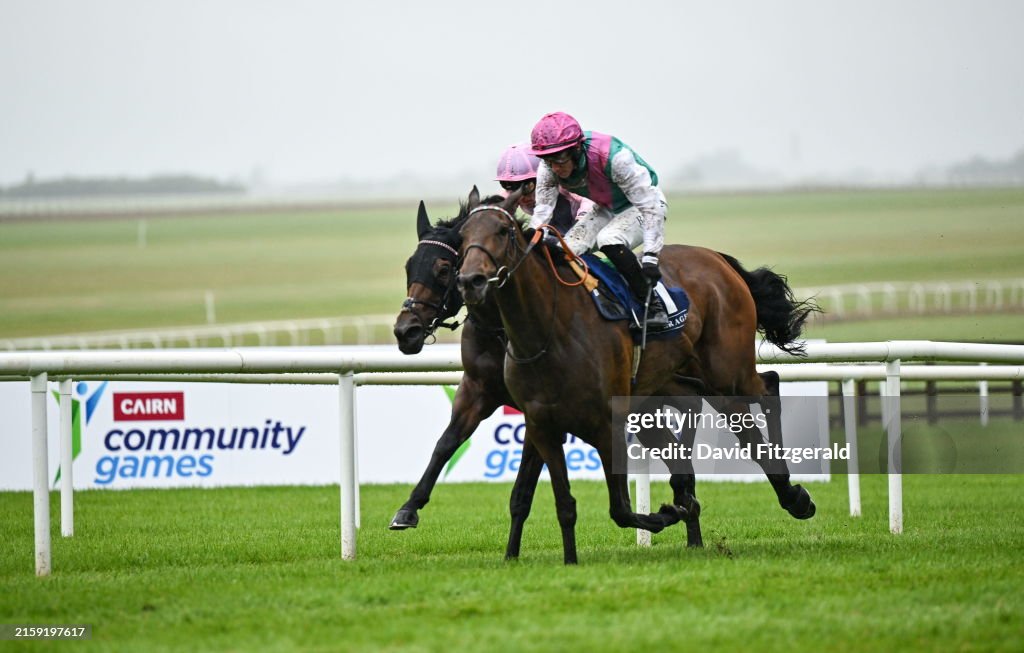

Yorkshire Oaks 2024: Bluestocking’s Group 1 Bid Preview
The Pertemps Network Yorkshire Oaks at York is shaping up as a key mid‑season contest and Bluestocking’s return has generated genuine interest among formbook followers. This expanded preview examines the likely influences on the race and offers measured insight for readers considering the form and markets.
Pertemps Network Yorkshire Oaks: Race Context and Form
The Yorkshire Oaks has long been a vital middle‑distance test for fillies and mares, often pointing towards autumn targets such as the Fillies & Mares turf contests and potential international entries. This section pulls together recent form, race patterns and how Bluestocking and her main rivals line up on paper.
Bluestocking’s 2024 campaign: strengths and issues
Bluestocking has shown progressive form this season with a Group 1 success on the Curragh proving she can thrive at the highest level and handle a step up in class. Key strengths include her tactical versatility and proven ability over 1m4f, while questions remain over how she will handle firmer ground at York and a potential strong pace scenario.
Betting markets and value angles to consider
Market moves around Bluestocking suggest bookmaker confidence, but value can still be found by comparing early prices and each‑way lines across firms. Look for shifts close to race time that correlate with confirmed ground, jockey declarations and late course reports rather than reacting to headline odds alone.
How ground, draw and trip shape each filly’s chance
York’s Knavesmire is typically fair and galloping, so fillies that stay strongly and handle a true pace often gain an advantage; any cut in the ground would be particularly relevant for Bluestocking’s stamina test. Draw is less pivotal over the 1m4f trip than on sprint tracks, but an inside trip in a slowly run race can compromise horses drawn low if they get boxed.
Emily Upjohn and Queen Of The Pride: rival analysis
Emily Upjohn’s profile combines elite aptitude with periods of inconsistency, making her a live chance if she reproduces her best form and settles early; a measured ride could unlock a strong, finishing run. Queen Of The Pride arrives with momentum and a progressive profile, and her continued improvement under Oisin Murphy and the Gosdens makes her a dangerous contender despite limited top‑level experience.
Race day schedule, timings and viewing information
The Yorkshire Oaks is scheduled for 3:35pm UK time on Thursday, and this timing can shape race dynamics as racecourse surface and wind conditions evolve through the afternoon. For live coverage and timing updates check official York race day communications and broadcasting schedules to ensure you see the final confirmations before wagering decisions.
York race conditions and how they suit the runners
York in August often presents a fair to good surface, which plays to the strengths of horses that relish a gallop rather than sharp early acceleration. Assessing the official going report on the morning of the race will be essential to understand whether Bluestocking and her rivals find their optimum underfoot conditions.
Trainer tactics and jockey choices at York this week
Ralph Beckett’s handling of Bluestocking has emphasised patience and placement, with rides aimed at exploiting her stamina and settling speed; a clear plan from the saddle is likely to be pivotal. Similarly, the Gosdens tend to use front‑running or positive rides when a pace advantage is probable, and Oisin Murphy’s booking underlines confidence in Queen Of The Pride’s finishing ability.
Form lines and recent trends to watch
Recent trends in the Yorkshire Oaks favour proven middle‑distance performers who have shown Group 1 form or recent improvement at the trip, and who arrive with a race under the belt this season. Watch for filly profiles that have handled firm ground historically and those that step up after a prep run showing marked improvement.
How to interpret form and ratings at this level
Form at Group 1 level requires context: a narrow defeat can be as persuasive as a win when the quality of opposition is strong and the run‑style suits the horse. Ratings and sectional times are useful but must be read alongside trainer comments, wind operations, and the presence of target races later in the season.
Key pace scenarios and how they affect the outcome
Understanding likely pacemakers and which stable may push on can flip expected outcomes, particularly if a genuine gallop favours strong finishers like Bluestocking. Identify leaders and hold‑up horses in the race and think about which runners prefer to be held up versus those geared to make all the running.
Breeding, trip and stamina clues from past form
Bluestocking’s breeding suggests stamina as a prominent asset, and her performances over similar trips indicate she stays a mile and a half well when given a sound gallop. Emily Upjohn and other rivals have pedigrees that mix speed and stamina, so the interpretation of their breeding alongside race pace helps define who is likely to stay the trip best.
Where fitness and seasonal placement matter most
Seasonal placement can be decisive in August, with fillies peaking for the Ebor meeting or using York as a stepping stone to autumn targets such as the Prix de l’Arc or Breeders’ Cup nominations. Horses with an ideal prep schedule and a clear route planned tend to produce their best in such contests, making stable form and declared targets worth tracking.
Practical tips for form study before the race
Prioritise recent runs, especially over similar trips and on comparable ground; pay attention to any weight differences and to official jockey bookings. Use race replays to assess pace, positioning and closing speed rather than relying solely on finishing positions, as context often explains disparities in the formline.
In‑race scenarios: tactical outcomes to anticipate
Possible scenarios include a steady early pace that favours a powerful finisher, or a strong early gallop that exposes less robust stayers, and each will change the likely finishing order. Trainers who can adapt tactics on the day based on the going and draw often gain an advantage in such tactical puzzles.
Market approach: when to back and when to wait
Assessing prices early and monitoring late market moves can provide value, especially when new information about ground or jockey switches appears close to post time. For those choosing to engage with bookmakers, compare available offers across platforms rather than committing to a single price, and always bet within a pre‑set bankroll limit.
Potential race favourites and dark horses to note
Bluestocking is a clear leading candidate based on recent Group 1 form, but Emily Upjohn and Queen Of The Pride represent strong competing profiles that could upset predictions if conditions favour them. Dark‑horse possibilities often come from consistent performers dropping back from stronger company or improvers showing late summer progress under new tactics.
Impact of jockey bookings on finishing chances
A top jockey can add tactical nous and split‑second decision making which matters in tightly contested Group 1 races, particularly at York where positioning can be crucial. Evaluate recent jockey form as well as their record with a particular trainer or mount when weighing each interest’s prospects.
Seasonal targets beyond the Yorkshire Oaks
A good showing or victory here can pivot a filly’s autumn campaign towards international targets, and connections often announce ambitions for later engagement after the Knavesmire. Keep in mind that those declared for the Yorkshire Oaks may already have contingency plans, which can subtly influence how aggressively they ride in the race.
How bookmakers price major handicaps and Group races
Bookmakers incorporate a mix of form, market reaction and insider information when opening and adjusting odds, so early prices can reflect uncertainty and later moves often correlate with confirmed news. Comparing odds and promotions across firms is sensible, but avoid chasing losses or inflating stakes after market volatility.
Responsible betting: safety and practical measures
Horse racing tips and market commentary are for informational purposes and do not guarantee success, and betting should always be restricted to those aged 18 or over. Set a budget, stick to it, and make use of bookmaker self‑exclusion tools or deposit limits if gambling ever feels problematic.
How to use bookmaker comparisons responsibly
Our comparison tools can help you locate the best available prices and sign‑up free bet offers, but use them to inform decisions rather than to chase larger stakes or guaranteed outcomes. If you choose to follow markets, only stake what you can comfortably afford to lose and avoid viewing betting as a means to solve financial issues.
Media coverage and where to watch the race live
Televised coverage and official racecourse streaming often include pre‑race analysis and latest updates from trainers, which can be useful when finalising views. Confirm broadcast windows with your provider and consult official racecards for any late changes to runners or jockey declarations before the race begins.
Summary and measured conclusions for race day
Bluestocking arrives with a genuine Group 1 profile and a recent credibility boost, but the Yorkshire Oaks is one of those races where ground, pace and a tactical ride can dramatically alter expectations. Readers are encouraged to consider all available form, to compare bookmaker odds responsibly, and to make choices that reflect personal limits and informed judgment.
You can explore current bookmaker offers and compare free bet promotions on our free bets comparison page for new customer deals at BestOfBets. If you are interested in casino promotions as well, view recommended bonus offers for new customers on our casino bonus page.
Frequently asked questions about the Yorkshire Oaks
Is the Yorkshire Oaks suitable for fillies stepping up in class?
Yes, the Yorkshire Oaks often attracts fillies stepping up to Group level and those proven at similar trips, but assess the quality of opposition and recent form. Remember this information is for readers aged 18+ and betting should be responsible and measured.
How important is the going report for this race?
The official going is highly important as it directly affects stamina and speed balance; check it on race day before placing a bet. Ground changes can alter the expected outcome so monitor late course reports.
Should I trust early odds for making a selection?
Early odds give a snapshot but can change with new information, so treat them as a guide and watch for market moves near post time. Compare prices across bookmakers rather than relying on a single firm for value.
Do jockey bookings significantly change a horse’s chance?
A jockey’s experience, recent form and familiarity with a mount can influence race tactics and finishing position, so bookings are worth noting. Factor rider decisions into your assessment but avoid over‑valuing them at the expense of form and ground suitability.
What form indicators are most useful for this race?
Recent runs over 1m2f–1m6f, performances on similar ground and any Group or Listed placings provide the most useful context. Study race replays for sectional pace and finishing effort to get a fuller picture than results alone provide.
Are there value strategies for punters on the day?
Value strategies include comparing odds across bookmakers, considering each‑way options, and waiting for late market moves linked to confirmed information. Always stake responsibly and avoid increasing bets to chase losses.
Where can I find up-to-date race information and offers?
Official racecards, York racecourse updates and bookmaker platforms provide the latest declarations and promotions, while our comparison pages list competitive free bet and bonus offers. Use these tools for information only and gamble mindfully if you choose to bet.