

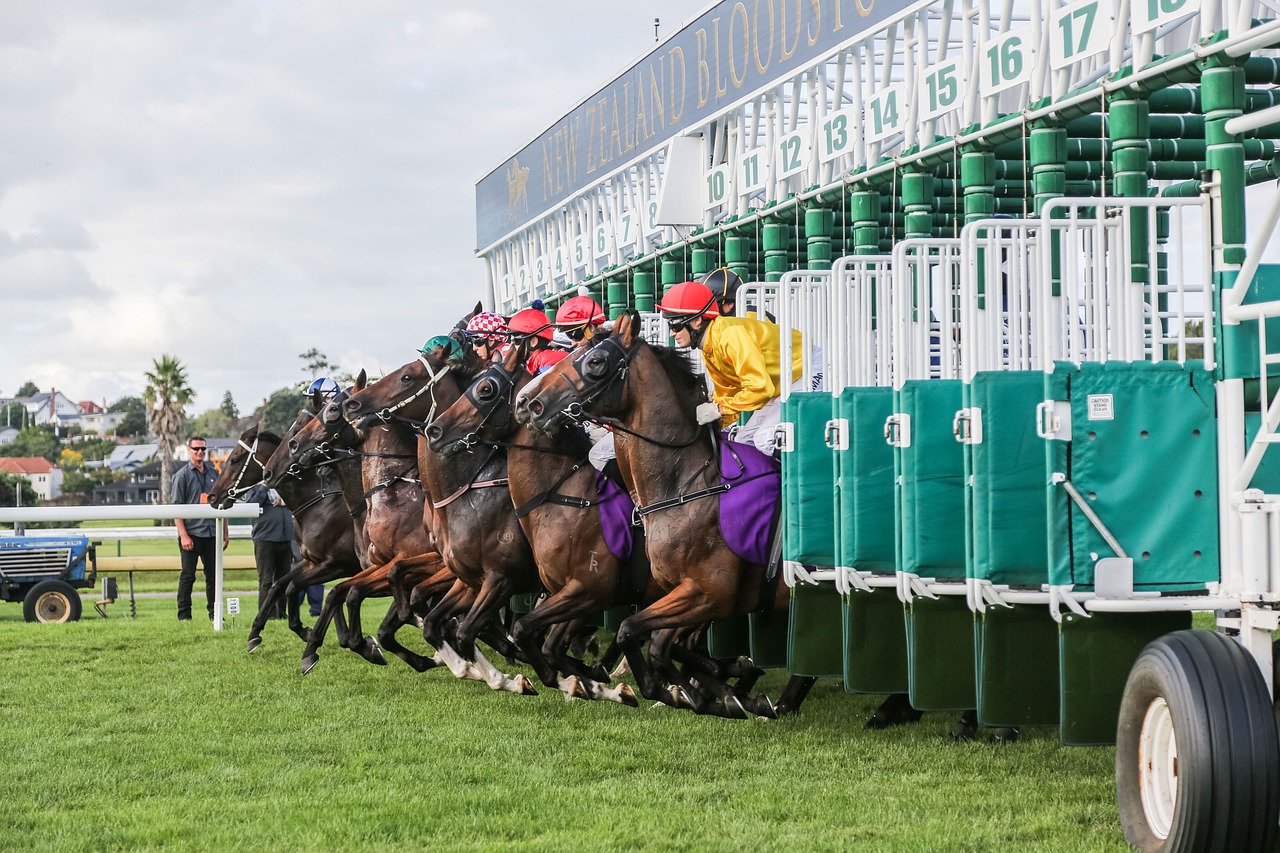

Royal Ascot Day 5: comprehensive tips and analysis
Royal Ascot Day 5 brings a final flourish to a week of top-class flat racing, and this expanded guide complements our race-by-race column with practical insight for readers following the selections above.
Read on for a tactical breakdown of form, ground, trainers and staking that you can use alongside the existing tips to make informed, responsible decisions when comparing bookmaker offers.
How to read form and spot value at Royal Ascot
Form at Ascot is about more than finishing positions; look for quality of opposition, subsequent performances and context such as trip or class that indicate a horse is improving or maintaining form.
Compare recent RPRs, group-race placings and the level of races beaten horses contested afterwards to identify value at bigger prices, remembering that larger fields and fast ground often change the usual pecking order.
Interpreting recent form lines for Ascot runners
When judging a horse like Candleford or Swingalong, focus on the depth of races they contested and how those rivals have fared since, as that gives a clearer measure than raw finishing positions alone.
Form that contains winners at listed or group level, and horses that have since franked their lines, should carry extra weight when deciding whether odds represent genuine value rather than short-term market sentiment.
When ground, distance and pace influence outcomes
Fast ground at Ascot suits many sprinters and middle-distance types differently, so check historical form on similar surfaces and be wary of horses whose best runs came on markedly different going.
Equally, the Ascot track and race pace frequently favour front-runners at six furlongs and sustained gallopers over 12 furlongs, so combine pace maps with jockey tactics to predict race shape and finishing positions.
Assessing trainer and jockey patterns for advantage
Trainers with targeted plans for Royal Ascot often bring horses to peak fitness, so take note of yards that consistently place at the meeting and of jockey bookings that suggest intent rather than a convenient ride.
Patterns such as a trainer firing multiple runners into one contest, or a jockey switching to a more progressive horse, can be subtle indicators of how connections view a horse’s genuine chances.
Value betting approach and sensible staking plans
Value betting is about finding odds that compensate for risk, not backing every outsider, so set a staking unit and vary stakes only where probability assessments clearly exceed the market price.
Keep stakes consistent, record bets and returns, and avoid chasing losses; a disciplined approach to staking preserves capital across a busy festival like Royal Ascot and helps measure long-term performance.
Managing bankroll: practical rules for Ascot betting
Decide a fixed unit size relative to your disposable entertainment budget and never stake more than you can afford to lose, remembering that betting is for entertainment and not a way to solve financial issues.
Spread exposure across races, limit accumulation bets that multiply risk, and reduce stake sizes after a losing run to protect your bankroll and remain in control throughout a long meeting.
Using bookmaker offers responsibly and comparisons
Compare prices and enhanced offers across reputable bookmakers but read the terms carefully, use welcome offers as a way to explore markets only, and never increase stakes to unlock bonuses or chase perceived value.
You can use comparison tools to find the best available odds, free bets or enhanced place terms, but always check eligibility and wagering conditions before committing funds.
Understanding place terms and place-only bets details
Place terms vary by bookmaker and by race size, so verify whether a bet pays three or four places in big handicaps and how each firm calculates a place return to avoid surprises on settlement.
Place-only options can offer soft value in large fields, but the lower returns mean you must be confident in a horse’s likelihood of finishing in the frame before allocating a meaningful stake.
How the column’s selections fit wider strategy today
The selections listed above represent a mix of form-based value (Candleford), Ascot-specialist sprinters (Swingalong), and higher-odds tactical plays (Mountain Bear, Chipstead, Orazio and Palace Green), which together illustrate different ways to approach the card.
Use the column’s unit stakes as a baseline and adapt them according to your own bankroll, while considering place terms and the number of runners when converting each selection into a stake plan.
Practical tips for following in-play and cash-out choices
In-play markets can present short-term opportunities but carry higher volatility; if you choose to trade, set pre-defined exit rules and avoid emotional reactions to early race events.
Cash-out is a convenience offered by some bookmakers and can lock in profit or limit loss, but compare the implied price to market value before using it so you are not accepting poor terms in the heat of the moment.
Responsible gambling: age limits and safe play reminders
This site is for readers aged 18 and over only; if you are under 18 you must not place bets and should seek alternative forms of entertainment that do not involve gambling.
If gambling stops being fun, or you find it affecting your finances or wellbeing, seek help from support services and consider setting deposit, loss and time limits with bookmakers to protect yourself.
Performance tracking and learning from outcomes
Keep a simple log of your bets, stakes, odds and outcomes to review performance over time, identifying where your assessments consistently add value and where they need refinement.
Review both winners and losers for common patterns — such as misreading pace or overvaluing one-dimensional form — and feed those lessons back into future selection processes at meetings like Royal Ascot.
You can compare current bookmaker free-bet offers and promotions on our free bets page to see the firms we recommend and the terms that matter when placing a bet responsibly.
For readers interested in casino offers, our casino bonus page lists affiliated sites and their welcome bonuses with clear terms for new customers.
Common questions about Royal Ascot betting basics
What age restrictions and responsible rules apply?
All visitors and customers must be 18 or over to bet in the UK, and operators must provide tools for setting limits and self-exclusion to promote safer play.
How should I size stakes for Royal Ascot selections?
Base stakes on a predetermined unit size that reflects entertainment spending only, and never increase stakes to chase losses or to meet bonus conditions.
Are place terms different for big-field handicaps?
Yes, many bookmakers pay more places in large handicaps or offer enhanced place terms, so always check how many places apply and the price used to calculate a place return.
How to compare bookmaker offers without bias?
Use objective comparison tools that list price, place terms and bonus T&Cs, and prioritise firms with clear rules and a strong UK presence rather than promotional hype.
What signs suggest a horse improves after a break?
Look for a winning return or an improved showing at a higher level after a spell, positive trainer commentary about fitness, and prior runs that indicate the horse is building towards a peak.
Can I follow this column for longer-term betting insight?
Yes, the column aims to offer recurring analysis and measurable staking guidance, but treat it as one input among your own research and always bet within your limits.