

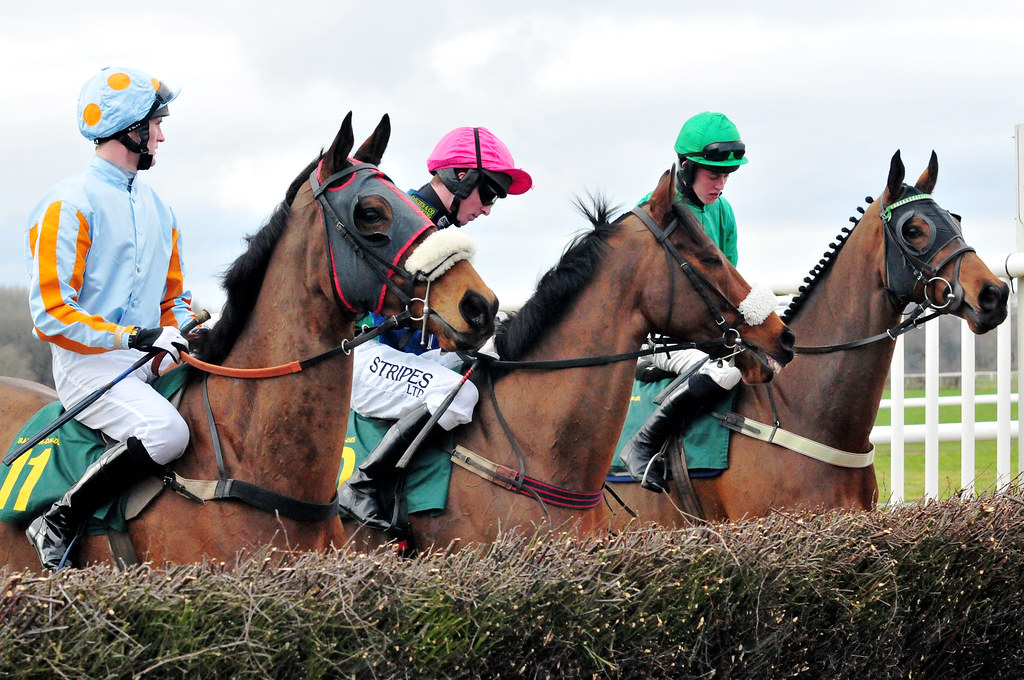
Punchestown Day Two Analysis and Betting Notes
This companion analysis expands on the race-by-race notes and gives practical angles for assessing the day’s cards at Punchestown. Please remember that betting is for adults only – 18+ – and should be approached responsibly at all times.
Why the selected Punchestown tips appeal today
The selections highlighted earlier combine form, ground preference and recent race patterns to identify value chances in handicaps, finals and bumpers. Our aim is to explain the reasoning behind those choices and offer sensible ways to use them within a measured staking plan.
Form patterns and ground preference for hurdlers
Consistent form over different surfaces and distances can signal a horse capable of handling the Punchestown undulations, so look for patterns across summer and winter runs rather than isolated results. Horses showing clear improvement on sounder ground, or with a pedigree that suits faster going, often reverse poor runs on heavy turf when conditions improve.
Interpreting Cheltenham runs for Punchestown form
Cheltenham performances should be judged by how the race was run and whether a horse was outpaced or simply found the track unsuited, with pulled-up or tired efforts sometimes masking underlying potential. A bold run at Cheltenham followed by a softer, sharper track at Punchestown can produce a marked improvement if the horse prefers firmer underfoot.
How ratings and weight shifts affect handicap chances
Weight adjustments and official ratings give clear context to a horse’s current competitiveness, particularly where a recent win came off a significantly lower mark than the present figure. A progressive hurdler whose mark lags behind demonstrated chasing form can offer value if the handicapper’s numbers have not yet caught up to recent improvement.
Assessing how ground impacts speed and stamina
Ground will influence whether a race becomes a test of stamina or a speed contest, so cross-reference a horse’s form on similar going alongside sectional or time-based evidence where available. If a selection has strong form on good or good-to-firm, a return to those conditions at Punchestown is a positive indicator rather than a risk.
Trainer tactics and first-time equipment decisions
Trainers’ use of first-time cheekpieces, tongue-ties or hood changes often reflects a specific plan to sharpen a horse and can be a telling sign when combined with a recent pipe-opener or schooling report. Consider whether a gear change follows a pattern from the yard where similar alterations produced improved headgear outcomes previously.
Bookmaker prices, value and sensible staking ideas
Odds such as 8/1, 9/4 or 50/1 reflect market perception, but true value comes from matching a selection’s form profile to race conditions rather than chasing headline prices alone. Adopt sensible stakes and avoid overbetting on long shots; an each-way approach can be appropriate where there is a realistic place chance supported by form.
Evaluating bumper prospects and pedigree clues
Bumpers reward entries with strong early speed or a pedigree pointing to flat speed on better ground, and the form lines from maiden runs often offer the best guide to potential improvement. When a debut or early-season win came on good ground, and the sire or dam has produced similar performers, a big step forward at Punchestown is plausible.
Planning a responsible small-stakes approach
A modest, structured staking plan helps preserve bankroll and enjoyment, with units sized according to personal limits rather than implied certainty of outcomes. Always set clear stakes and stop-loss rules before placing bets and treat tipping content as informational rather than a directive to stake.
Practical staking plans for multiple Punchestown bets
When backing several horses across the day, allocate a percentage of your overall recreational bankroll to the meeting and split that into unit sizes to avoid concentration risk on a single event. Balance win-only bets with select each-way coverage where appropriate, keeping exposure limited and transparent.
Recognising market moves and knowing when to take a price
Early support in the betting market can indicate insider confidence or public momentum, but sharp late moves should be judged alongside the available form and any late non-runners that may have altered race dynamics. If a price shortens materially on race day without clear supporting information, weigh the perceived value carefully before following suit.
Interpreting jockey bookings and rider form trends
A notable jockey booking can change a horse’s chance, but assess it in context of the rider’s recent form and history with the trainer rather than as a stand-alone factor. Local knowledge, experience over the course and an ability to time races well at Punchestown are practical plus points that often show up in consistent results across a meeting.
Using past time figures and sectional analysis wisely
Time figures and sectionals are useful for comparing how a horse handled a race relative to rivals, particularly when the race conditions mirror Punchestown’s pace and ground. Use these metrics to corroborate visual form and trainer commentary rather than as the sole basis for selection.
How to cross-check form with varying race distances
Check whether a horse’s recent form came at distances close to the race in question, as a drop or rise in trip can dramatically change a horse’s suitability depending on running style. Where a selection has proven stamina or a strong turn of foot, verify that the tactics deployed by the jockey are likely to match the race tempo.
Spotting improvers and late-season fitness gains
Improvement late in a season is common for younger horses or those returning from a break with a prep run under their belt, so consider the trajectory of recent performances rather than isolated slow runs. Look for horses finishing with energy or showing sharper jumping late in races as signs their fitness and confidence are building.
When to consider each-way coverage over win-only bets
Each-way bets make sense when the betting market and form suggest a credible place chance in a competitive field, particularly in bumpers and large handicaps where the winner can come from several directions. Use bookmaker place terms and the depth of the field to decide proportionate each-way stakes that reflect the real probability of a place finish.
Combining Punchestown bets with broader seasonal plans
Think of Punchestown selections in the context of a season-long portfolio, where a small loss is acceptable in pursuit of long-term enjoyment and learning rather than immediate profit. Linking single-race ideas to a broader plan helps avoid emotional staking and keeps activity aligned with overall betting objectives.
Compare current bookmaker offers and free bet promotions on our free bets page to see available sign-up deals and how terms vary between firms. See the latest casino bonus offers for new customers on our casino bonus page, remembering that those promotions are subject to terms and are for recreational use only.
FAQ — What to check about ground and form before betting
Always compare a horse’s form on similar going and see whether its pedigree supports a step up or down in ground. Where uncertainty remains, favour selections with proven versatility or clear evidence that a change of ground is a likely positive.
FAQ — When is each-way betting sensible at Punchestown
Each-way betting is sensible in large handicaps and bumpers where several horses have a plausible chance of finishing in the places. Check bookmaker place terms and the depth of the market before committing to an each-way stake.
FAQ — How should I use jockey bookings in my assessment
Use jockey bookings as one of several factors, prioritising riders who have recent good form, course knowledge and strong trainer relationships. A notable booking improves confidence but should not override poor underlying form.
FAQ — What staking approach is recommended for festival racing
Adopt small, pre-set unit sizes and divide your bankroll across selections to limit risk and emotional decision-making. Avoid escalating stakes after losses and treat stakes as entertainment expense rather than income.
FAQ — Are long-priced shots worth a small bet
Long prices can be backed for fun if you accept the low probability and size the stake accordingly, ideally within a structured bankroll plan. Never increase stakes in pursuit of a big return or to recover previous losses.
FAQ — Should I follow market moves late on race day
Late market moves can indicate useful information, but verify whether the move is supported by form or trainer-supplied intelligence before adjusting your position. If in doubt, maintain discipline and stick to pre-defined staking rules.
FAQ — Where can I compare bookmaker terms and offers safely
Use independent comparison pages to check free bets, sign-up terms and wagering requirements, and always read small-print restrictions before accepting an offer. Only use licensed UK bookmakers and never bet more than you can afford to lose.