

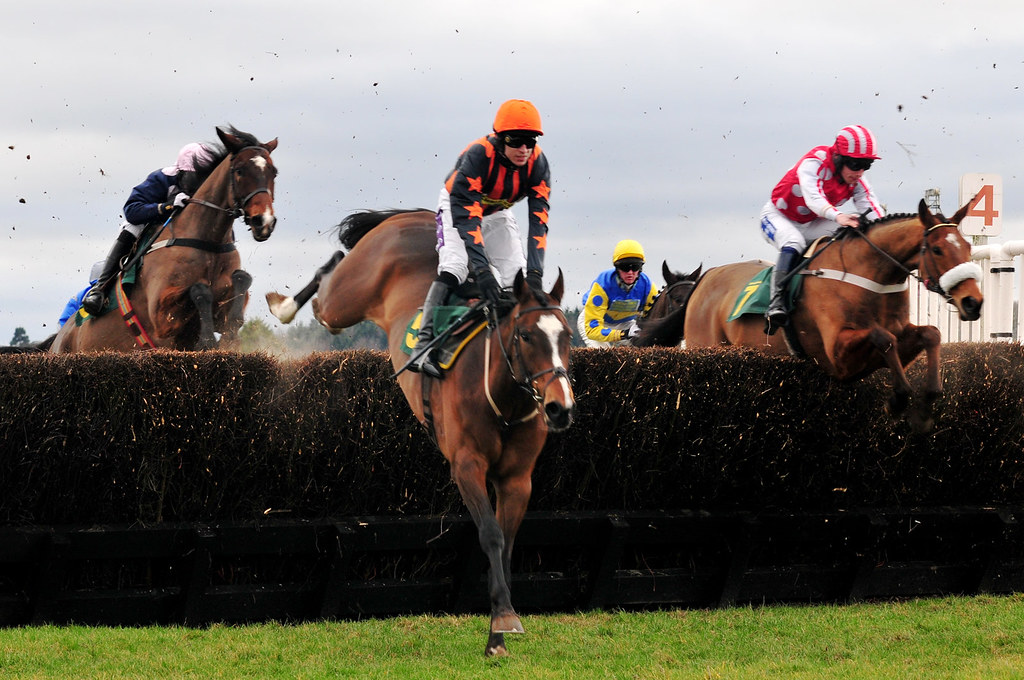

Lingfield Winter Millions: Tips, Form and Strategy
Below we expand on the Lingfield Winter Millions day with clearer form reads, tactical notes and practical staking approaches to complement the existing tips above.
This guidance is for informational purposes only and intended for readers aged 18+. Please gamble responsibly.
How I assess horses and interpret recent form
Form analysis starts with comparing finishing times, race pace and the level of competition each horse has faced, rather than relying solely on finishing position.
Tracks, ground and trip changes all influence whether a recent run is a false line or genuine improvement, so I cross-check times with sectional evidence and visible finishing efforts.
Key speed and stamina factors to consider today
Lingfield’s configuration and prevailing ground can favour horses who race prominently and maintain a strong late tempo, so identify those with proven closing speed over similar distances.
Conversely, long stamina tests at 2m7f or further can uncover improvers who are stepping up in trip for the first time and whose jumping conserves energy.
Why Master Chewy’s Kempton clocking matters now
Master Chewy’s quick overall time at Kempton against quality opposition suggests he has a potent closing burst that can be decisive over a strong gallop.
Compare his time and weight carried with recent graded winners to gauge whether he retains a raw speed edge at Lingfield.
Trainer form, jockey bookings and stable trends
Nigel Twiston-Davies and Dan Skelton appear with strong records on similar cards, so study recent stable strike rates and any clear preference for target races.
A jockey booking can change a horse’s chance markedly; measure how often a rider and trainer combination have converted entries into wins over the last three months.
Saint Segal’s Cheltenham potential and today’s chance
Saint Segal looks a useful type who could translate a win here into a Festival target, but today’s race presents different pace and handicap dynamics than Cheltenham tests.
Consider whether connections prefer a day’s prize money and confidence-building run over a longer-term Festival plan.
Navigating weights, handicaps and rating changes
Handicappers can inflate ratings after near-miss efforts, so allow for scope where a recent rise still leaves a horse competitive on proven form.
A drop in mark or a return to a racing weight where a horse previously ran well should be treated as a tangible value indicator when sizing up odds.
Nurse Susan’s trip, rating and longer trip prospects
Nurse Susan’s rise in trip to 2m7f is notable and may unlock improvement if her recent races showed staying-on ability over intermediate trips.
Weigh the marginal rating increase against the strong finishing figures that suggest she may handle the added trip satisfactorily.
Selecting value bets without chasing unrealistic returns
Value betting is about the relationship between true chance and price; avoid exaggerated stake increases to chase long odds after a losing run.
Target bets where form, pace and conditions align and the market hasn’t fully adjusted to recent evidence of improvement or decline.
Each-way ideas and reading the market depth
Each-way choices should be durable stayers or consistent placegetters whose form has been franked by later improvement in rivals.
Look for market support and bookmakers shortening prices as signs the market is recognising a genuine chance rather than a speculative punt.
Practical staking plans for race day bettors
Adopt a simple staking plan such as level stakes for main bets and smaller stakes for longer-priced each-way selections to preserve bankroll longevity.
Set a maximum percentage of your bankroll per day and resist increasing stakes after losses; consistent staking avoids emotional overreach.
How to use bookmaker offers and shop for value
Compare available odds and any price-boost offers across bookmakers rather than taking the first price; small differences across markets add up over time.
You can explore current bookmaker offers through our comparison tools if you choose to bet responsibly, and remember affiliate links support this editorial work without affecting our independence.
Responsible betting guidance and age requirement
All betting content is intended for people aged 18 and over; if you are under 18 you must not gamble or access betting sites.
If you find gambling affecting your finances, relationships or wellbeing, seek help and use tools like deposit limits, time-outs or self-exclusion to manage activity.
How to interpret jumping form and error proneness
Jumping reliability is as important as flat speed; a horse with a patchy jumping record can be exposed in a better-quality chase where mistakes are costly.
Inspect recent videos for hesitation at fences, rhythm disruption and whether the horse recovers quickly from jumping errors to maintain a finishing effort.
Using sectional times and race shape to refine picks
Sectional splits reveal whether a race was run at a true gallop that favours closers or at a tactical tempo that benefits front-runners holding on.
When a contest is likely to have a strong leader, favour horses with documented ability to sit off a pace and deploy a devastating late kick.
Weather, going changes and late withdrawals
Lingfield’s all-weather and jump variants react differently to rain and frost, so check official going updates and act if the surface changes materially close to post time.
Late withdrawals can alter race shape and value significantly; monitor confirmations and adjust exposure if key pace-setters or rivals are removed.
Post-race analysis to improve long-term selections
After the card, review how your models and assessments performed by checking whether pace, ground and ratings played out as expected.
Track which indicators were most predictive and refine your checklist so future cards benefit from recent learnings.
Common pitfalls bettors should avoid at Lingfield
Don’t overvalue one performance without corroborating evidence, and avoid assuming a step up or down in trip will automatically produce improvement.
Be cautious of sentimental backing and remember that bookmakers’ markets often price in public bias, so seek truly independent signals for value.
You can see our recommended free bet offers and compare bookmaker promotions here: https://bestofbets.com/free-bets.
For readers interested in casino bonus options, we list current offers here: https://bestofbets.com/casino-bonus.
Frequently asked questions about Lingfield racing and betting
Is betting content on this page suitable for under-18s?
No, all content and services referenced are only for people aged 18 and over.
How should I manage a betting bankroll for a single meeting?
Decide a fixed daily amount and use level stakes or small proportional staking to protect your funds and avoid emotional decisions.
Are the tips guarantees of winning?
No tips are informational only and not guarantees; horse racing is unpredictable and losses are possible.
Where can I find bookmaker comparisons and offers?
Use reputable comparison pages to check odds and promotions and always read terms and conditions before claiming any offer.
How important is trainer form when backing a horse?
Trainer form provides context on preparation and current stable health; trainers in form often provide an edge but should be combined with other evidence.
What should I do if gambling becomes a problem for me?
If you experience problems, seek support from charities such as GamCare and use site tools like deposit limits and self-exclusion.
Can race times from other tracks be directly compared?
Times give useful context but must be adjusted for ground, pace and distance differences before drawing firm conclusions.
How should I treat each-way selections at long odds?
Each-way bets can be sensible if the horse has shown consistent place form and the market size supports the place terms offered.