

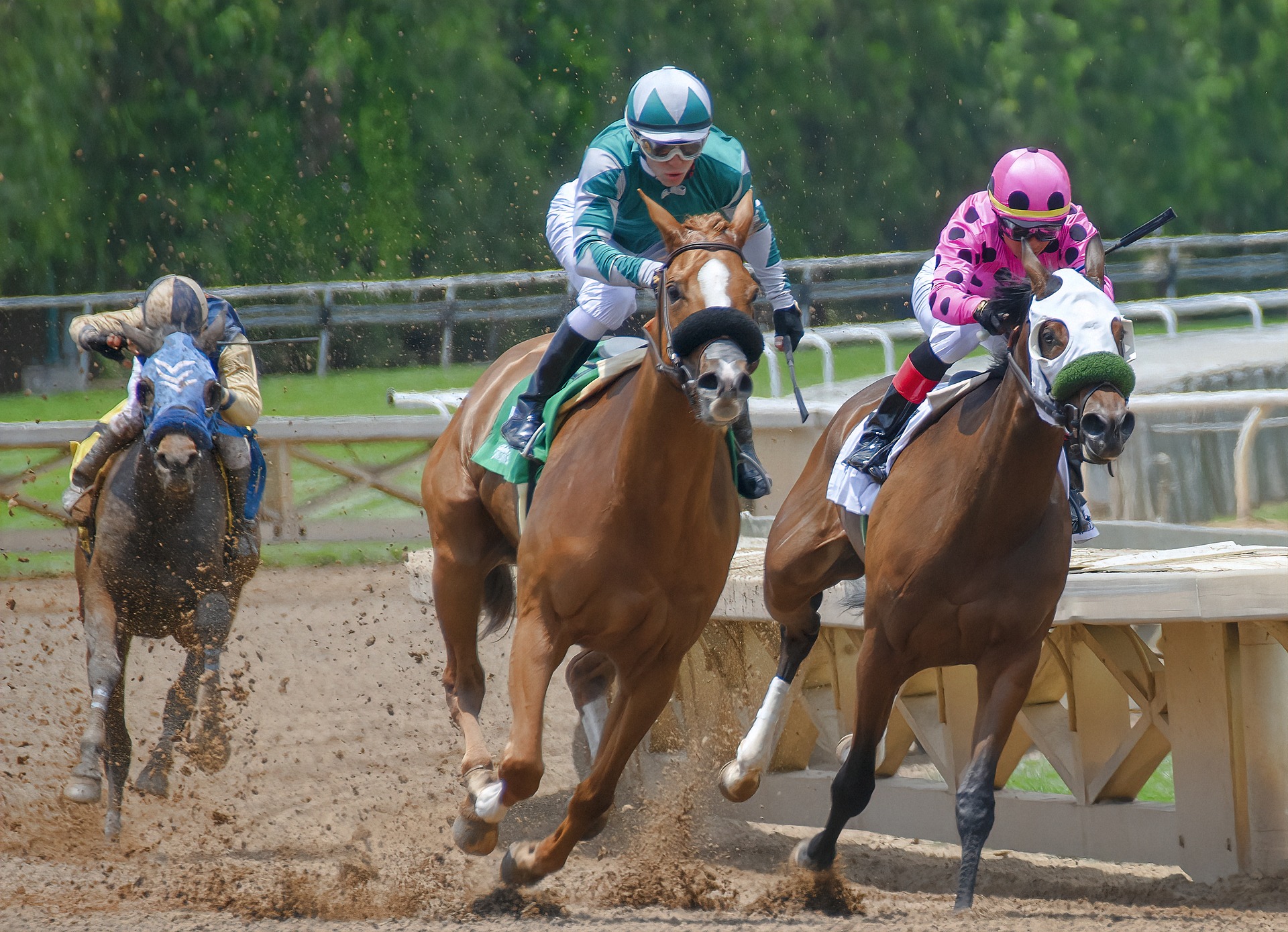
Ascot Weekend Racing: Tips, Analysis and Betting Guide
Race-by-race assessment and betting considerations
This expansion complements the existing race commentary and provides broader context on form, going and market angles for the Ascot card. All betting information is for readers aged 18+ and is offered to inform, not to encourage betting.
Why LEZOO still represents the best win chance
LEZOO’s Listed win and the performance in the Duchess Of Cambridge Stakes mark her as the class act in this field and explain the confidence in her returning to Group 3 company. The case for her is built on progressive form, a trainer who places carefully and the likelihood she remains on an upward curve physically and mentally.
Track form, draw and pace map implications
Ascot’s 6f and 7f races demand good tactical positioning and the pace map often determines which types prevail, so studying sectional times and early speed is essential. LEZOO’s recent outings suggest she handles pressure and can adapt to different stakes scenarios, which is a valuable trait in a competitive enclosure.
Trainer patterns and placement strategy explained
Ralph Beckett’s decision to drop LEZOO back into Group 3 company looks like a considered placement aimed at consolidating her black type without over-facing her. Trainers who map a horse’s progression carefully frequently unlock further improvement, so this race can suit a filly at this stage of development.
Assessing Glenlaurel’s prospects against the selection
Glenlaurel caught the eye on debut and looks a promising filly, but the expectation that she would need a significant improvement in weight-for-age terms is valid. The step up required to trouble LEZOO is notable, but her early performance suggests she could be dangerous if she progresses rapidly.
How to approach betting markets and stakes safely
Market reaction often reflects insider confidence, but it should be interpreted with caution and within a sensible staking plan that suits your experience and bankroll. Avoid staking more than you can afford to lose and view selections as information rather than guarantees.
Kinta and the significance of her turf debut
Kinta’s wins on artificial surfaces show a colt with seasoning and a turn of foot, but the turf introduction adds a variable that affects form translation substantially. Respecting her for a placing or each-way interest is sensible while noting that sharp turf tests at Ascot can expose inexperience.
Royal Charter, Palm Lily and horses for black type
Both Palm Lily and Royal Charter are in the mix for black type, with Royal Charter representing an attractive each-way proposition at bigger prices. William Haggas and Ralph Beckett do not typically throw juveniles into this class without reasonable expectations, so both runners warrant respect in wider market contexts.
Moet & Chandon International Stakes race preview
The 7f handicap looks very competitive with the BHA top-rated Accidental Agent bringing the highest official mark, while Jumby and Tactical represent proven performers at this trip. Depth, recent form peaks and weight differentials will likely determine the finishing order and the market should reflect late confidence shifts.
Why RHOSCOLYN is preferred despite recent upset
Rhoscolyn’s Bunbury Cup departure is a concern, yet equipment changes and a gelding’s known quirks can explain a single poor run among otherwise consistent efforts. The retention of the tongue-tie, the favourable 7f test and a positive trainer view justify giving the horse another chance on form seen at Buckingham Palace Stakes.
Interpreting weights and handicap marks for this card
Handicap marks are the linchpin of fair competition in big-field sprint handicaps, and small weight differences can be decisive in close finishes. When judging form, consider recent mark movements, the quality of opposition beaten and how each horse performs under different burdens.
Going and weather: how conditions change chances
Ascot ground is often fast in summer and that generally suits trainers who target early-season black type, but rain or drying out periods alter which types are favoured. Horses proven on good to firm should be noted, while those improving on softer turf deserve caution if the going changes.
Jockey bookings, claimer effects and race dynamics
Top jockeys can influence close handicaps by their timing and seat selection, and the presence of experienced riders such as Ryan Moore provides a tactical edge for rides with strong pace judgement. Claimed allowances and stable pairings should be watched, as they often change how a horse is ridden and how races unfold.
Practical staking: conservative approaches for readers
A conservative staking approach recommends small, consistent stakes, prioritising value and record keeping over chasing big returns, with the goal of long-term enjoyment rather than profit guarantees. Always set loss limits, avoid staking on impulse and treat tips as part of a broader information set, not definitive forecasts.
Each-way angles and how to spot value runners
Each-way value is often found where a runner has shown a strong closing sectional or a step up in trip that promises stronger late pace, particularly in big handicap fields. Look for horses with improving form, reasonable weight and a trainer/jockey combination that targets placing opportunities in similar races.
Using form lines and campaign patterns in analysis
Form lines should be read in context: the strength of the opposition, the race tempo and the horse’s finishing style all help predict future performance. Campaign patterns also matter; lightly raced juveniles can improve significantly, while exposed handicap horses may plateau or decline.
Live market signals and last-minute checks to perform
Late market moves, non-runners and track reports in the lead up to post time often contain the most actionable information for punters choosing between close selections. Confirm jockeys, equipment changes and official going descriptions, and factor in any late rain or wind that might change race dynamics.
How to use bookmaker comparisons and offers responsibly
Comparing odds and offers across bookmakers can highlight value, but it should be done with an emphasis on responsible use and awareness of terms and conditions attached to promotions. If you choose to use welcome offers or enhanced odds, read the fine print, manage stake sizes and never treat offers as a route to guaranteed profit.
Reviewing trainer and stable form across the meeting
Monitor how stables perform across the meeting as trainers often bring horses to spots that fit current form cycles, and peaks in stable form can signal readiness across multiple runners. Short-term trends can assist in identifying potential overlays where market prices underestimate current stable momentum.
How to approach betting markets and stakes safely
Always gamble only if you are 18 or older, set personal limits and use available tools from operators to self-exclude or restrict activity if required. Responsible gambling means viewing betting as entertainment and keeping it within affordable boundaries rather than a solution to financial issues.
Track form, draw and pace map implications
Ascot races often hinge on a blend of early speed and finishing ability, so assess draws relative to expected pace and think about whether a horse needs the lead or prefers to be held up. Using pace maps and sectional data improves race-reading and reduces reliance on headline form alone.
You can explore current bookmaker offers through our comparison tools and free bets page to see the latest promotions and welcome offers responsibly: https://www.bestofbets.com/free-bets.
For those interested in casino bonuses, our curated list of affiliate casino offers and sign-up promotions is available here: https://www.bestofbets.com/casino-bonus.
Frequently asked questions about the card and betting
Is LEZOO the most solid win selection today?
LEZOO’s recent Listed win and Group-level form make her a logical first-choice on paper, but no outcome is guaranteed and checks on market confidence and ground are important. Gambling is for those aged 18+ and should be done responsibly.
How should Royal Charter at 8/1 be treated for each-way?
Royal Charter at 8/1 offers an each-way angle for those seeking value and can be considered where the price reflects a realistic place chance rather than a win-only expectation. Make stakes proportional to your bankroll and avoid chasing losses.
What influence does Ascot’s good to firm ground exert?
Good to firm ground generally favours quicker, speedier types while potentially disadvantaging horses who improve on soft turf, so compare each runner’s form on similar going. Always verify the official going on race day and adjust expectations accordingly.
Are there conservative staking tips for novice bettors today?
Novices should use small, fixed stakes, avoid multiples on races they have not studied and keep a record of bets to learn from outcomes. Seek bookmaker comparisons and use responsible gambling tools where necessary; 18+ only.
How much should recent trainer form influence your view?
Trainer form is a significant indicator of current stable health and can highlight those likely to run well, but it should be balanced with individual horse form and race conditions. Treat it as one piece of the assessment puzzle rather than definitive proof.
Where to compare bookmaker offers, including free bets?
Compare offers via trusted comparison pages to check odds, terms and eligible markets, and always read the T&Cs before accepting any promotion. For a curated list of recommended bookmaker free bet offers visit our free bets page; you must be 18+ to participate.