

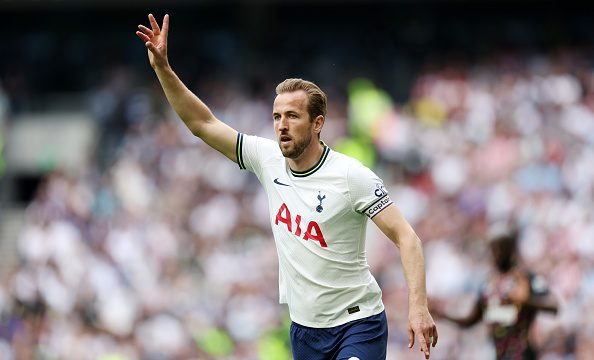
Tottenham Hotspur: Best Players and Season Analysis 2022–23
This expanded review complements the existing player ratings and basic stats on Spurs’ 2022–23 campaign by placing performances into tactical, statistical and squad-development context. The piece is written for readers who want deeper insight into why certain players stood out and what those performances mean going forward.
Context and tactical overview of Spurs season
Tottenham’s 2022–23 season was defined by inconsistency, a reliance on a small group of high-performing individuals and periodic defensive lapses that undid many promising results. Understanding the balance between attacking output and defensive fragility helps explain individual ratings and the broader placement in the table.
In assessing the top players listed on the original page, it helps to consider minutes played, availability, and the roles each player was asked to perform within a changing tactical setup. Those contextual factors shift how raw goal and assist totals translate into overall value to the team.
Offensive contributions and goal involvement metrics
Harry Kane’s role as the primary goalscorer and focal point of attacks is clear from his 32 goals and five assists in all competitions, with 30 in the Premier League, and his average rating reflects consistent high-level output. Beyond raw totals, Kane’s hold-up play, creation from the number nine position and penalties provided a reliable source of expected goals and chances for teammates.
Heung‑Min Son delivered an important secondary threat with 14 goals and six assists, producing crucial moments when Kane was less involved or tightly marked. Rodrigo Bentancur’s six goals and two assists added valuable late contributions from midfield that helped close games and convert narrow margins into points.
Defensive solidity and midfield protection analysis
Tottenham’s defensive record was undermined by errors in concentration and individual defensive lapses rather than a complete lack of ability across personnel, so full‑backs and midfield screening were especially important. Pedro Porro’s presence after his January arrival provided width and attacking impetus while also bearing defensive responsibility on the right flank.
Pierre‑Emile Højbjerg’s tackle and interception numbers underscore his role in breaking up play and providing a shield in front of the backline, particularly in games where Spurs managed to grind out results. Consistency in that defensive midfield role often determined whether the team looked organised or vulnerable in specific matches.
Why Harry Kane remained Spurs’ crucial figure throughout
Kane’s combination of goals, assists and leadership made him the standout performer and a predictable focal point for match planning by both Spurs and opposition managers. His work rate across the full 90 minutes, ability to drop into midfield to link play and his penalty duties amplified his value beyond the scoring column.
From team-building and transfer perspectives, retaining a striker of Kane’s profile affects recruitment, as the club must balance supply lines and creative midfield signing to fully exploit his strengths while addressing defensive shortcomings elsewhere in the squad.
Players to watch and development prospects for the squad
Looking ahead, attention should turn to the progression of squad members who can reduce over-reliance on a few individuals and to defensive recruits who can limit costly errors. Youngsters and recent signings who show tactical adaptability and defensive discipline will be particularly attractive to supporters and analysts alike.
For players such as Rodrigo Bentancur and Pedro Porro, improving consistency and availability would elevate Spurs’ baseline performance, while further creative partners around Kane and Son could help diversify goal sources and relieve pressure on the club’s main forward line.
Statistical patterns that shaped the season outcome
Key patterns included a concentration of goals from a small number of players, vulnerability to set‑piece conceding and lapses late in matches that cost points. Those trends emphasize the importance of squad depth, rotation and defensive coaching across a long campaign.
Analysing when goals were conceded and scored—by phase of play and opponent type—reveals whether problems were systemic or situational, and this information guides both tactical tweaks and transfer market priorities.
What the ratings and sources tell us about performer consistency
Average player ratings give a useful snapshot of performance across a season, but they must be read alongside minutes played, role changes and injury spells to show true consistency. A higher average with fewer minutes might indicate impact appearances rather than sustained reliability.
Using ratings in tandem with goal involvement, defensive actions and chance-creation metrics produces a more rounded view of a player’s contribution than any single source can provide, and helps to identify undervalued contributors in the squad.
How this season affects betting perspectives responsibly
For readers who follow football betting, using season-long trends and player fitness data can improve the quality of information behind a wager without treating betting as a guaranteed way to make money. Always approach betting as entertainment and not as a financial strategy.
If you choose to explore bookmaker offers, use comparison tools to check market prices and terms, and set clear limits on stakes and time spent. Remember: betting is for those aged 18 and over and should always be conducted responsibly.
Injuries, rotation and their influence on player form
Injury interruptions and rotation policies affected rhythm and form for several Spurs players, which in turn influenced match outcomes and season-long evaluations. Players who maintained fitness and availability were naturally advantaged in contributing to the team’s point tally.
Coaches seeking more reliable results will likely prioritise fitness regimes and smarter rotation strategies to sustain levels across all competitions and reduce the burden on core performers.
Transfer implications and squad-building lessons
The 2022–23 campaign highlighted the need for defensive reinforcement, creative midfielders to support Kane and Son, and versatile squad options to cover injuries and form dips. Recruitment should be targeted at restoring balance between attack and defence.
Clubs should also consider the wage and minutes balance to ensure promising players are given the platform to develop while keeping the squad competitive across a long season.
Managerial and tactical adjustments to improve consistency
Strategic changes that shore up the defensive shape, improve transitions and diversify attacking patterns would address the predictable elements opponents exploited in 2022–23. Emphasising collective defensive responsibilities can reduce the frequency of costly individual errors.
Implementing clearer roles for midfielders in possession and out of possession helps the team control matches better and supports the attacking stars by giving them more stable foundations to operate from.
Data-led scouting and recruitment for marginal gains
Applying a data-led approach to scouting reduces risk by identifying players whose underlying metrics align with the club’s tactical needs. Metrics such as expected goals involvement, progressive carries and defensive actions per 90 give recruiters clearer signals than raw counting statistics alone.
Complementing quantitative data with scouting observation ensures signings fit the dressing room culture and tactical instructions, which is vital when bridging small margins between success and underperformance.
Fan expectations and managing realism after a mixed season
Fans naturally expect improvement after a campaign with high individual performances but inconsistent team results, and club communication that outlines a realistic plan for recruitment and progression helps manage those expectations. Incremental improvement across defence and midfield often yields more consistent league performance than wholesale, high-risk changes.
Supporters and analysts should evaluate progress over multiple transfer windows and seasons rather than expect immediate fixes, particularly where structural rebuilds are required.
You can explore current bookmaker offers and compare free bet promotions responsibly through our dedicated comparison pages at BestOfBets: https://www.bestofbets.com/free-bets. For readers interested in casino bonuses, our affiliated offers and welcome packages can be viewed on this page: https://www.bestofbets.com/casino-bonus.
Frequently asked questions about Spurs’ 2022–23 players
Which Tottenham players led goals and assists in 2022–23?
Harry Kane was the leading goalscorer with the highest goal tally, supported by Heung‑Min Son’s contribution in goals and assists. Other midfield and attacking players added key contributions at different stages of the season.
How reliable are the average ratings cited for each player?
Average ratings provide a useful season snapshot but should be viewed alongside minutes played, injuries and tactical role changes to assess true consistency. Ratings are best used with other metrics for a fuller picture.
Did defensive issues or attack inconsistencies cost Spurs most points?
Both facets played a part: defensive lapses and individual errors often nullified strong attacking performances, so either side of play could be identified as costly depending on the match context. Reducing errors and improving defensive organisation would have the clearest immediate effect on results.
Which younger or new players should fans monitor going forward?
Players who showed adaptability, defensive discipline and the ability to influence attack from wider or deeper positions are the most promising to watch for development. Continued minutes and targeted coaching will determine their next steps.
How should betting customers use this analysis responsibly?
This analysis can inform understanding of form and likely selection, but betting markets are inherently risky and should only be used by people aged 18 or over. Set limits, use comparisons and treat betting as entertainment rather than a source of income.
Will Tottenham need major signings to improve from this season?
Targeted signings to shore up defensive depth and add midfield creativity would likely produce the best returns on investment rather than wholesale squad overhaul. The emphasis should be on quality recruits who fit the club’s tactical plan.
Are the player statistics mentioned sufficient to judge future performance?
Season statistics are informative but not definitive; future performance depends on context such as transfers, managerial decisions and injuries. Use past metrics as part of a broader assessment rather than as guarantees of future form.
Where can I compare bookmaker odds and bonuses for matches involving Spurs?
BestOfBets provides comparison tools for bookmaker offers and free-bet promotions to help users make informed choices, while reminding readers that gambling is for those aged 18 and over and should be undertaken responsibly.