

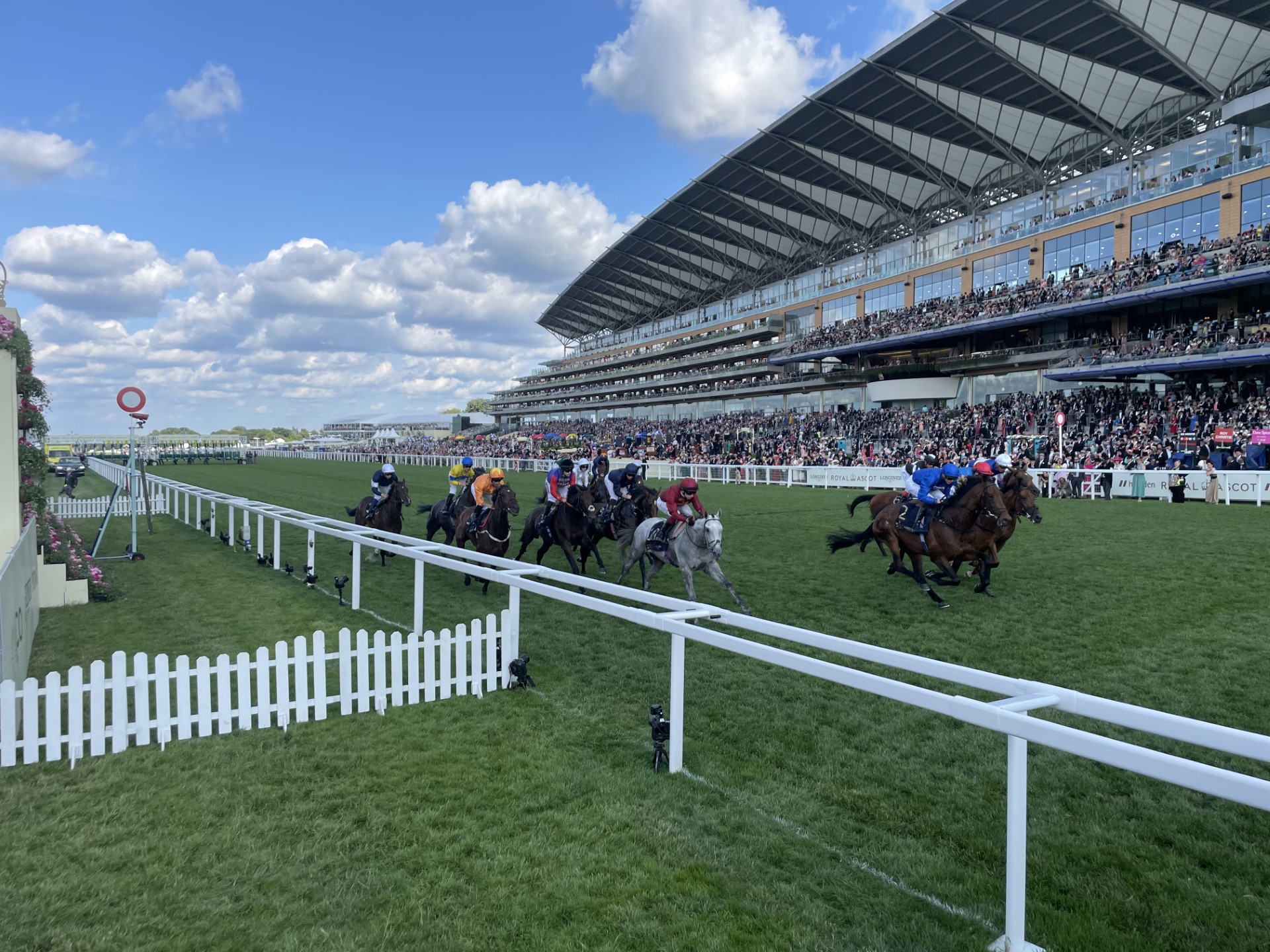

Royal Ascot Day Three Betting Guide and Analysis
This expansion complements our day three preview by adding context on race dynamics, market clues and stake planning for Coltrane, Bless and Toimy Son. The material aims to help readers interpret form, jockey changes and conditions without offering guaranteed outcomes.
Expert Notes, Market Moves and Betting Strategy
All selections discussed are informational and intended for readers aged 18 and over; please gamble responsibly and only bet what you can afford to lose. This section sets out how to use the existing tips, read market movement and plan sensible stakes in multi-race cards at Ascot.
Why Coltrane looks the most solid Gold Cup pick
Coltrane’s form last season, including the Goodwood Cup performance behind established stayers, gives him a profile suited to Ascot’s testing distance and pace scenario. In a renewal lacking a dominant older middle-distance performer, his progressive profile and course adaptability make him a pragmatic win selection rather than a speculative punt.
How track draw bias affects straight course handicaps
The Britannia and Buckingham Palace Stakes run on Ascot’s straight course can be influenced by draw and early pace, so always check assembled declarations and draw maps on race morning. Low draws may fare differently depending on prevailing wind and rail position, and that can materially alter each-way prospects.
How Bless’s French form translates to Ascot
Bless’s form lines in France are more valuable than mere overseas entries because the opposition patterns have since been franked by winners at higher levels. The combination of a lightweight mark, a strong jockey booking and a pedigree showing an affinity for better ground supports the idea he can be competitive in a large maiden-derived handicap.
Trainer form, jockey bookings and late declarations
Trainer trends and jockey commitments are key indicators of how connections view a horse’s chances; a travelling jockey of note can be the difference in tight handicaps. Keep an eye on late declarations and non-runners, which can open or close opportunities across heavily populated races.
Assessing Toimy Son and the value at 66/1
At 66/1 Toimy Son represents a classic each-way speculative play where a small, structured investment can offer value against a deep open field. The drop in the handicap and the re-engagement of a high-class jockey suggest there is a realistic chance of improvement, but the selection is prudently sized as an each-way rather than a full-win commitment.
Why ground conditions must shape your betting plan
Ground is decisive at Ascot, especially for horses like Toimy Son whose form tends to improve on softer surfaces; conversely, a dry, fast surface can reduce a runner’s effectiveness. Before committing stakes, compare official going reports with trainers’ comments and historical performance on similar ground.
Factors to monitor before placing any Ascot bets
Monitor the official going update, confirmation of jockey bookings, non-runners and market moves from a range of bookmakers to spot value and late support. Markets often reflect inside information and public money; sizeable shifts in price can be an informative guide to confidence levels among punters and layers.
Late market movement and bookie offers to consider carefully
Promotional odds or enhanced offers should be treated as informational rather than compelling reasons to increase stake size, and affiliate links should be used only if you intend to bet responsibly. Check each firm’s terms for eligibility, returns and settle conditions before acting on any advertised price.
Each-way strategy and sensible stake management
When backing long-priced, open-field contenders such as Toimy Son at 66/1, opt for a conservative each-way split and set a maximum liability per meeting to protect your bankroll. Structured staking—flat or graded—reduces the emotional impact of variance and makes long-term record-keeping more meaningful.
Interpreting Ascot form lines and progression indicators
Ascot entries often include improving three-year-olds and older horses returning from breaks; assess whether a recent run was a prep effort or a genuine performance target. Look for trajectories of improvement, such as career-best times, weight-adjusted metrics and consistency when stepping up in class.
How to use course-specific stats and race patterns
Ascot’s straight course has historical tendencies that can guide selections—early speed is often rewarded, but stamina and the ability to switch lines matter in big fields. Use course statistics alongside sectional times and race replays to refine opinions rather than relying on headline form alone.
Responsible gambling reminders and age restrictions
This content is aimed at readers aged 18 and over and is for informational purposes only; it does not encourage excessive or irresponsible play. If gambling is causing harm or you need support, consider setting limits, using self-exclusion tools and consulting UK support services.
Practical checklist for race-day decision making
Before placing a bet, confirm going, final declarations, jockey changes and non-runners and cross-reference prices across multiple firms to find the best available market. Keep stakes modest relative to your overall bankroll and avoid chasing losses or treating betting as an income source.
Common scenarios and tactical responses at big meetings
At major meetings such as Royal Ascot, be prepared for market volatility caused by high-profile bets, late thinking and pundit influence; remain anchored to your pre-race analysis and staking plan. Where applicable, favour small each-way stakes in large handicaps and larger win stakes in clearly defined graded races when value is present.
How to approach multi-race exposure across a card
Spreading small stakes across several races can be entertaining but increases exposure to variance, so prioritize the strongest, most justified selections rather than betting for volume. Keep a concise record of bets and outcomes to review patterns and improve selection rationale over time.
How to read and use bookmaker terms and offers sensibly
Promotional offers can inflate perceived value but always read the terms and consider whether the price genuinely improves your expected value for the same stake. Use comparison tools to locate the best nominal price but avoid relying on offers as the primary reason to place a bet.
Frequently asked questions about betting on Ascot and stakes
What age and responsibility rules apply to betting in the UK?
You must be 18 or older to place bets in the UK, and operators are required to promote responsible gambling and provide support resources. If you have concerns, use tools such as deposit limits, time-outs and self-exclusion.
How should I size each-way stakes on large handicaps?
Each-way commitments on big handicaps should be smaller than win-only stakes for selective bets; many experienced bettors use a 1:4 or 1:5 ratio of stake to potential liability. The precise split will depend on your bankroll and appetite for long shots.
Are overseas form lines reliable for Ascot handicaps?
Overseas form can be informative when the opposition has subsequently been franked or when the racing style mirrors UK conditions, but it requires careful context. Consider the race tempo, ground and weight differences before fully relying on foreign form.
What should I do if a jockey change is announced late?
Late jockey changes can be neutral, positive or negative; assess whether the incoming rider is a genuine upgrade and whether the switch reflects connections’ confidence. Market reaction to the change often offers extra information, but it should not be the sole factor.
How important is draw in straight-course Ascot sprints?
Draw can be crucial on the straight course depending on rail position and wind; consult recent draw bias analysis and consider whether horses from low or high stalls have an advantage. Always combine draw information with individual running styles for a balanced view.
When is it sensible to cash out or hedge a bet at a meeting?
Cash-out or hedging may be appropriate to reduce liability, lock in a profit or limit loss when circumstances change, but doing so routinely can erode long-term returns. Treat these options as tactical tools rather than primary strategies.
Can I rely on promotional odds to make a bet worthwhile?
Promotional odds can improve the nominal value of a bet, but always verify eligibility, settlement rules and wagering requirements to ensure the offer genuinely enhances expected value. Use promotions sparingly and with a clear understanding of the small-print.
Where can I find bookmaker comparisons and offer listings?
Comparison pages list available odds and welcome offers so you can pick a provider that suits your preferences while betting responsibly. Ensure you read terms and never bet beyond your means.
You can explore current bookmaker free bet offers and compare new customer deals on our free bets page: https://bestofbets.com/free-bets. For those also interested in casino welcome offers, see our affiliated casino bonus page here: https://bestofbets.com/casino-bonus.