

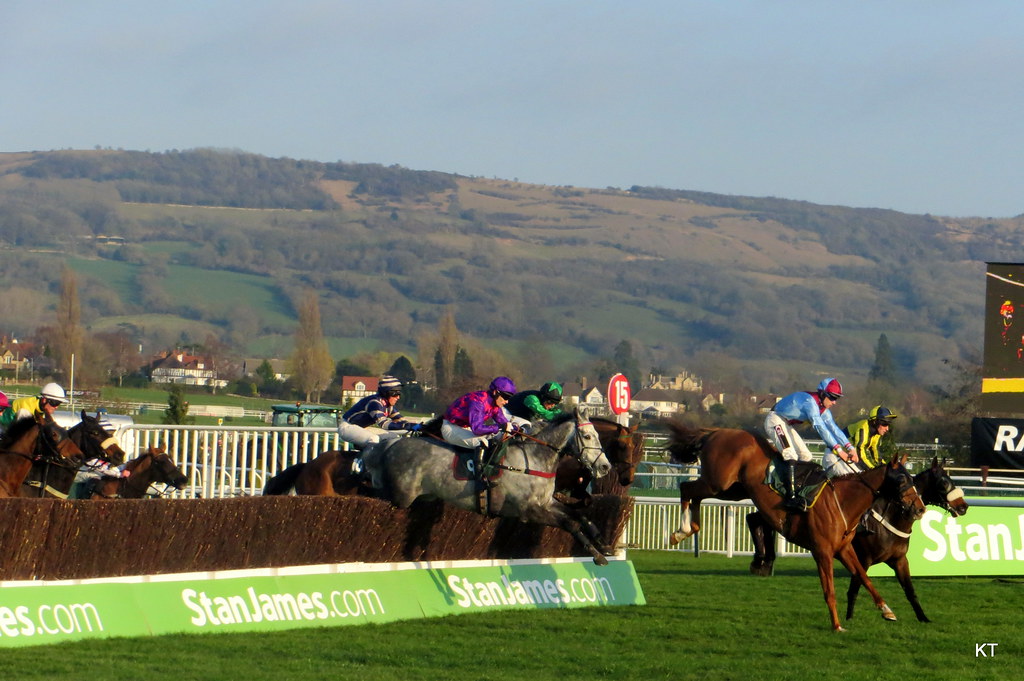
Cheltenham November Meeting: Expert Tips & Insights
This expanded guide complements our race-by-race analysis and adds tactical context for bettors following the Cheltenham November Meeting, with a focus on the Paddy Power Gold Cup and the supporting card. Please note that all betting information is for readers aged 18 and over and is intended to encourage responsible play rather than to promise returns.
How to Approach the Paddy Power Gold Cup Today
The Gold Cup handicap is a testing staying chase where weight, mark and recent race fitness combine to shape value, so focus on horses arriving fit, with proven course form or a clear ground preference. Consider small, measured stakes and compare bookmaker place terms before committing, and always set limits you can afford to lose.
Analysing Lookaway’s Form, Ground and Chances
Lookaway’s Grade 2 and Grade 1 juvenile chasing form gives a strong base and his chase debut win over Personal Ambition suggests he has the scope to be competitive at Cheltenham, particularly on good ground which suits his action. Monitor ground reports closely and consider a conservative stake if the going is on the soft side, since his best efforts have come on quicker underfoot and that is central to his case.
Paddy Power Gold Cup: Why Il Ridoto Appeals
Il Ridoto’s attractive rating, combined with a jockey claim and the fact he typically runs well fresh, creates a clear handicap angle in a competitive renewal, so his presence in the market deserves respect from value-seekers. Assess whether the horse has sufficient tempo to run into in this edition and weigh up the penalty carried by any proven front-runners or pace-makers in the field.
Paddy Power Gold Cup: Lets Go Champ’s Case
Lets Go Champ makes sense as an improving sort for Henry de Bromhead with a workable mark and recent form on ground that should transfer to Cheltenham, and a claiming rider helps make his improvement more affordable in handicap terms. When sizing stakes, factor in his Irish form and the likely pace scenario, and treat him as a contender for a place or a small win bet depending on market support.
Handicap Hurdle: Evaluating Thanksforthehelp’s Prospects
Thanksforthehelp has strong historical form on good ground and a credible reference win at Chepstow, so his mark in the three-mile handicap hurdle reads as competitive if he reproduces those levels at Cheltenham. Given his mixed Festival performance previously, prudent stakes with an each-way tilt are sensible, particularly if bookmakers offer enhanced place terms.
Mares’ Bumper: Why Siog Geal Is Each-Way Value
Siog Geal’s point-to-point win and subsequent eye-catching second in a bumper for Fergal O’Brien point to potential improvement and an affinity for good ground, plus the booking of Jonathan Burke adds a layer of confidence from a jockey-selection perspective. For punters who favour each-way betting, she represents a logical selection in a competitive mares’ bumper where race experience and a progressive profile can be rewarded.
Course and Ground: Cheltenham’s Unique Demands
Cheltenham’s uphill finish and undulating track mean that stamina and balance matter as much as raw speed, so study each runner’s past performances on similar courses and distances to assess suitability. Ground conditions can exaggerate or blunt a horse’s strengths, therefore market moves following official going updates often contain useful information about trainer intentions and likely performance.
Staking Strategy: Small, Measured Bets for Cheltenham
At festivals and high-profile meetings it’s wise to size stakes conservatively, for example by using a fixed percentage of a dedicated racing bank or adopting a unit-based plan to avoid emotional wagering. Avoid chasing losses and consider splitting stakes across win and each-way markets to reduce variance while retaining exposure to bigger-priced outcomes.
Markets and Offers: Each-Way Terms and Place Depth
Each-way payout structures vary between bookmakers, with some offering extra places on certain races, which can materially affect value for mid-priced selections; always check the precise terms before placing a bet. Use comparison tools to line up the best available place terms and small market differences, especially for horses such as Thanksforthehelp and Siog Geal who may be better targets in each-way markets.
Responsible Gambling: 18+ Limits and Support Options
Gambling should be for entertainment and only by people aged 18 or over; never bet more than you can afford to lose and set time and stake limits before you start. If betting becomes a problem, seek help via UK support services such as GamCare or Gamban, and consider blocking tools, self-exclusion or talking to family for support.
How to Read the Form Lines for Novice Chases and Bumps
Novice chase and bumper form often contains horses improving quickly and therefore requires weighting up track suitability, trip experience and the quality of the opposition they have faced rather than just raw finishing positions. Pay attention to margins, going and whether a horse was finishing strongly or merely holding on, since a forward-going closer can be a better bet on the uphill Cheltenham track.
Trainer and Jockey Combinations to Monitor This Meeting
Certain stables and jockeys have strong Cheltenham records and patterns that repeat over seasons, so factor recent trainer form and jockey bookings into your assessment while avoiding over-reliance on reputation alone. When a trainer saddles multiple runners, consider the declared tactics and whether a jockey’s claim or weight allowance materially improves the horse’s prospects in handicap events.
Using Odds Movement and Market Signals for Value
Early market moves can indicate confidence from moneyed backers or insiders, while late shifts often reflect official going news or last-minute team decisions; track these changes to spot genuine value rather than noise. However, avoid overreacting to short-term fluctuations and use odds movement in conjunction with your own form study to make considered selections.
Bankroll Management: Practical Rules for a Festival Day
Divide your overall racing bank into daily and per-race allocations and stick to those limits, reserving a portion for live opportunities if you plan to bet during the card. Maintain discipline with stake sizing and avoid increasing stakes after a string of losses, because emotional adjustments typically increase risk rather than improve outcomes.
Placepots, Multiples and Liability Awareness
Exotic bets such as placepots and multiples offer big potential returns but increase variance and can quickly erode a bankroll, so set a maximum liability and treat these wagers as entertainment rather than investment. If you include such bets, use small, consistent stakes and avoid combining too many legs where a single non-runner or scratch could significantly affect the result.
Quick Checklist Before Placing Any Bet at Cheltenham
Confirm official going, check declared riders and weight claims, compare place terms across bookies, and look for market moves that reinforce your independent assessment; these four steps reduce avoidable mistakes. Also ensure you are logged into a licensed bookmaker account and have set deposit and loss limits in line with responsible gambling best practice.
You can explore current bookmaker offers and compare free bet promotions on our free bets page to see which terms match your intended stakes and markets: BestOfBets free bets and offers.
For players interested in casino promotions, you can review affiliated casino bonus offers and terms on our casino bonus page to understand welcome bonuses and wagering conditions: BestOfBets casino bonus offers.
Frequently Asked Questions About Betting at Cheltenham
How should I bet on Cheltenham day with value in mind?
Prioritise comparative form study, check which bookmakers offer extra places and consider small stakes on selections with clear reasons rather than backing marginal favourites. Use multiple accounts to shop for best odds and place terms without increasing overall stake size.
What are sensible stakes for festival handicap and novice races?
Sensible stakes are typically a small percentage of a dedicated racing bankroll, often between 1–3% per single selection depending on personal risk tolerance. Keep stakes consistent and resist increasing them after losses to preserve long-term enjoyment.
Where can I check each-way place terms and offers today?
Compare bookmaker pages and our free bets comparison tool for the latest each-way terms and special offers, and always read the small print for place depth and liability limits. Place terms can vary on a race-by-race basis so confirm before you stake money.
Does ground really change a horse’s Cheltenham chances?
Yes — Cheltenham’s undulating nature magnifies the effect of soft or heavy ground, and horses with a history of performing on similar conditions usually have the edge. Trainers’ declarations and historical seasonal form provide useful clues on how a horse handles the going.
How important is a jockey claim in handicap events?
A jockey claim can be significant in tight handicap heats, as a three- or five-pound allowance may make the difference between being competitive and being outpaced. Factor the claim into your assessment but balance it against the horse’s form and race tempo.
Who to contact for help with problem gambling in the UK?
If you are concerned about your gambling, contact GamCare or your bookmaker’s support team to access self-exclusion and blocking tools, and consider speaking to a trained adviser for confidential help. Gambling support services are available for anyone aged 18+ and can provide practical steps to regain control.