

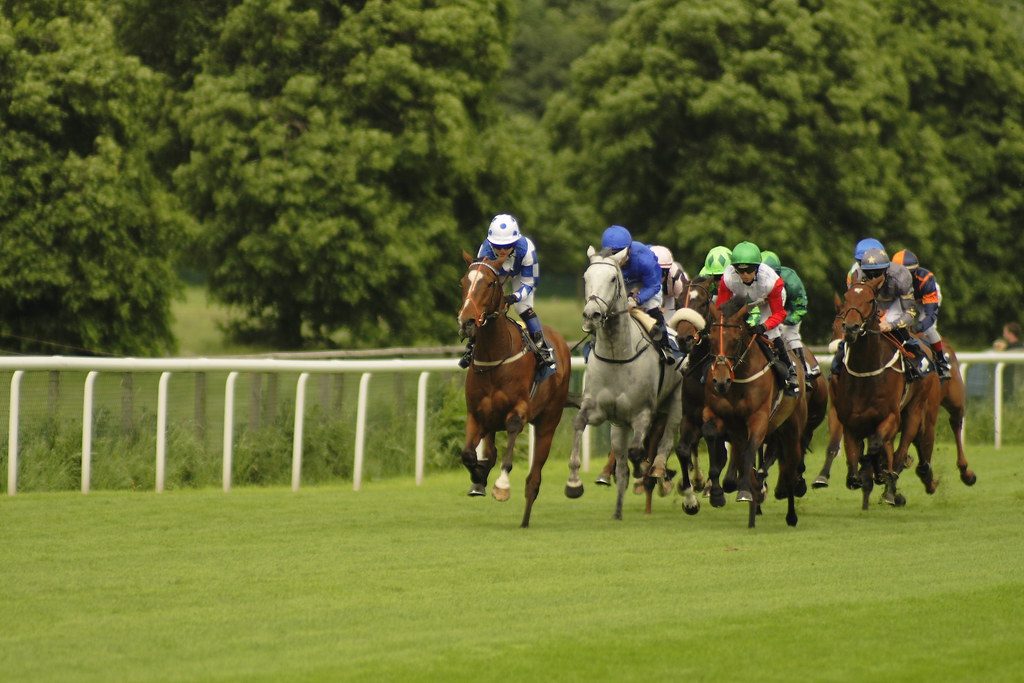
Doncaster St Leger Meeting: Tips, Form and Strategy
Pre-race analysis and staking guidance for Doncaster
This expanded guide complements our race-by-race observations and adds context for bettors seeking an informed approach to the Doncaster St Leger meeting.
It emphasises how to read form, manage stakes, and interpret market moves while keeping gambling responsible and limited to those aged 18 or over.
Evaluating January’s juvenile form, breeding and stamina
January’s pedigree and maiden performance provide a useful baseline for assessing her step up to a mile against fellow juveniles at Doncaster.
Look for improvement patterns across Aidan O’Brien juveniles and whether her speed figures and sectional times suggest a natural transition to the mile trip.
How course and distance suit January’s running style
Doncaster’s straight mile asks for a balance of speed and stamina, which January’s Tipperary win and Ballyhane form hint at.
Assess whether she settles off the pace or needs to lead, because positional bias can be decisive in juvenile mile heats.
Key form lines and what to trust in her profile
Prior runs against quality stablemates and horses who have gone on to place or win at Group level add credibility to her form line.
Weight carried, ground tested and the presence of returning rivals should be used to adjust expectations rather than relying on raw finishing position.
Assessing Night Sparkle’s stamina and race placement
Night Sparkle’s consistent staying performances give her a clear profile for the Park Hill Fillies’ Stakes over 1m6f at Doncaster.
Compare her recent runs at two miles and in Listed company to confirm whether the step back in trip will sharpen her finishing kick.
Trainer change impact and recent form trends
Recent form since joining Andrew Balding shows a pattern of improvement and adaptability that is worth weighing into any market assessment.
Consider how new training methods, wind surgery history and race placement decisions have influenced her recent finishing positions.
Who represents the main threats and why
Sumo Sam and other proven stayers with form at similar trips represent obvious dangers, especially if they return with a wind adjustment or first-time equipment.
Factor in head-to-head records, distance suitability and whether horses are on an upward or downward trend when sizing up the opposition.
Jorge Alvares: handicap debut and market expectations
Moving from sales-ring contests into handicap company is a notable shift for Jorge Alvares and requires scrutiny of his York run and subsequent form lines.
Use the handicap mark and recent horses to tighten up an expected finishing pattern rather than relying solely on market odds.
What the formbook says on his York performance
Finishing strongly from the rear at York suggests a late-closing style that can be advantaged or disadvantaged depending on pace and draw at Doncaster.
Examine whether rivals have franked the form and how the horse’s action handles Doncaster’s undulations to refine your view.
Defence Missile and the nursery handicap puzzle
Defence Missile’s debut and subsequent runs hint at a filly stepping up to a 0-80 handicap with scope for a first-time cheekpieces improvement.
On handicap debut look for weight, recent race fitness and whether the all-weather spin was a preparation run or a form indicator.
Interpreting handicap marks and cheekpiece effects
A mark of 79 and the application of cheekpieces can alter a horse’s racing pattern; note similar cases in the trainer’s record for guidance.
Compare how horses with small equipment switches historically behave and whether those changes yield immediate gains in tight handicaps.
Race day conditions, ground and draw considerations
Weather and going changes at Doncaster can reshuffle form lines quickly; verify official going and any forecast shifts before finalising bets.
Pay attention to draw trends for each trip and whether inside or outside stalls have produced favourable outcomes in comparable fields.
How to interpret soft and good to firm form
Winners on soft going do not always transfer form to good or firm, so index each horse’s performance by ground-specific runs rather than overall place records.
When a horse has run well on both extremes, treat that as a positive sign of adaptability rather than a reason for overconfidence.
Market moves and late money signals to watch
Significant market shifts late on can point to stable confidence or insider support, but they are not guarantees and should be weighed alongside form facts.
Use such moves to adjust stake size modestly rather than to chase prices aggressively, maintaining control over exposure.
Staking plans and risk management for meeting bets
Adopt a clear staking plan that limits stake sizes relative to your bankroll and treats each selection as an informational play rather than a money-making guarantee.
Split stakes across win and each-way where the field and price justify it, and avoid increasing stakes to recover losses.
Practical staking examples for novices and experienced users
A conservative approach is level stakes across selections; a more experienced bettor may use graded stakes based on confidence levels.
Always cap daily exposure and avoid staking more than a small, predefined percentage of your bankroll on any single race.
How to use bookmaker comparisons responsibly
Comparing bookmaker prices and terms can reduce value leakage but should be done without chasing marginal gains that encourage excessive betting.
Check firm terms, minimum odds, and payment methods, and use comparison tools to keep activity transparent and constrained to what you can afford.
Tips for comparing offers and reading terms carefully
Look beyond headline odds and free bet values to wagering requirements, expiry windows and bet restrictions before committing to an offer.
Remember that affiliate links may be displayed; you can explore offers through our comparison pages if you choose to bet responsibly.
Responsible gambling reminders and legal requirements
All betting activity covered here is for readers aged 18 or over and should be undertaken responsibly within local legal frameworks.
If betting is affecting your finances, mood or relationships, seek help from UK resources such as GamCare or GamStop and self-exclude if necessary.
You can explore current bookmaker offers through our comparison tools if you choose to bet responsibly: https://www.bestofbets.com/free-bets
For casino bonus offers and terms from our affiliated partners see: https://www.bestofbets.com/casino-bonus
Frequently asked questions about Doncaster tips and betting
How should I interpret juvenile form at Doncaster races?
Juvenile form is best read by looking at the pattern of improvement, pedigree clues and how horses performed against common rivals.
Give extra weight to debut horses that showed pace and to those from stablemates who have progressed afterwards.
What factors matter most when backing stayers like Night Sparkle?
Stamina indicators, recent races over similar distances and the ability to handle the likely ground are primary considerations for stayers.
Trainer form at staying trips and how the horse finishes races often provide more insight than early-season front-running form.
When is handicap debut form reliable for betting decisions?
Handicap debut form is useful when the horse has run competitively against durable opposition or has decent pedigree to suggest physical improvement.
Consider the assigned mark in context with how similar horses have fared off comparable openings from the stable.
How do I manage stakes when markets move late on race day?
Use late market moves as one data point and scale stakes modestly rather than increasing them substantially to chase value.
Apply pre-defined maximum stakes and avoid emotional betting based on short-term volatility.
Are equipment changes like cheekpieces a strong betting indicator?
Equipment changes can influence performance but should be assessed alongside trainer trends and whether the horse has previously responded to such changes.
Short-term improvement is possible but not guaranteed, so treat these as moderate influences on your selection confidence.
Where can I find trustworthy bookmaker comparisons and offers?
Use established comparison pages that list terms, odds and restrictions clearly and keep records of offers to verify conditions before placing bets.
Remember to gamble only if you are 18 or over and to keep staking within your personal limits.
What responsible gambling steps should I take if I feel at risk?
If you suspect gambling is a problem, set deposit and time limits, use self-exclusion tools like GamStop and contact UK support services for guidance.
Seeking help early reduces harm and keeps betting a recreational activity rather than a problematic one.