

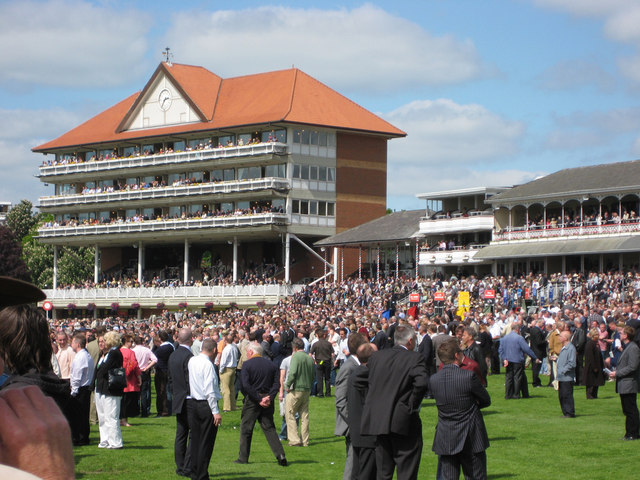

York Dante Festival — Expert Tips and Race Guide
The Dante Festival at York always throws up tricky results and rich betting puzzles, and this guide expands on the day’s selections with form context, trends and practical betting angles for serious readers. Please remember all betting is for those aged 18 and over; gamble responsibly and only stake what you can afford to lose.
Knavesmire Form Notes, Trends and Betting Angles
This section sets out how to read the racecard at York, with particular attention to draw, ground and trainer patterns that have influenced Priory and Knavesmire meetings in recent seasons. Use these notes alongside the original tips above to form an independent view rather than relying on any single source.
Clarendon House and Early Pace Map Analysis
Clarendon House looks well placed in the Lindum York Handicap when you combine a favourable draw with a return to good ground and a winning mark; those are textbook conditions for a front-running or prominent horse to capitalise. Consider how early speed maps from the racecard affect the run style of others in the field so you can assess whether pace will collapse or favour closers.
Pace, Draw and Ground: How They Shape Outcomes
Pace and draw interact strongly at York — inside stalls can be vulnerable if a fast early tempo sets up the race, while horses drawn wider often benefit when stalls force runners to find cover. Check official going reports and jockey comments pre-race to refine price expectations rather than chasing headline odds.
Hambleton Handicap: Form, Trainers and Tips
Northern Express brings reliable York form to the Hambleton and his record of multiple places and wins suggests a race where consistency is rewarded; trainers like Michael Dods have solid handicapping patterns at the course. When a horse runs consistently at a particular track, factor that reliability into your staking plan rather than over-valuing isolated wins elsewhere.
Trainer Form, Jockey Choices and Recent Patterns
Trainer and jockey combinations can indicate whether a horse has been specifically targeted at a race; look for entries where apprentices or experienced riders are booked for a specific assignment. A change in pilot or stable tactics can meaningfully alter a horse’s chance if it fits with ground, trip and intended running style.
Middleton Stakes: Free Wind and Race Chances
Free Wind’s record fresh is a major form line in the Middleton Stakes and underlines how conditioning and seasonal planning matter at the Group Two level; she has a strong record when resuming, which is an important trait to respect in selection. Always weigh the evidence of prep and how a horse has handled previous reappearances when assigning probability to favouritism.
Distance Suitability and Recent Seasonal Prep Explained
Group races often separate raw speed from stamina; look at a horse’s pedigree and past form over similar trips to assess whether a step up or down will suit. Horses that ran well late in the season often need specific prep to repeat those performances early the next year, so watch for clear signs of readiness at the track.
Dante Stakes: Derby Implications and Contenders
The Dante is an important trial for Classic prospects and Ancient Wisdom’s profile reads like a genuine Derby candidate given sire and dam lines, and a progressive juvenile season; consider how pedigree and race progression align for runners stepping up in trip. The race also offers a good guide to stamina potential among three-year-olds and helps separate likely Derby types from milers.
Derby Trail: What Dante Form Typically Predicts
Historically the Dante has produced horses who either stay the Derby trip or reveal they should remain at a mile-and-a-quarter, so interpret placings in the context of running style and how strongly a horse finishes. Avoid assuming every Dante performer is a Derby bolt-on; instead, identify those who improve noticeably for a step up and handle a testing tempo.
How to Identify Value on the Day at York Races
Value betting is about identifying where market odds diverge from your assessed chance of a horse finishing in the first three, based on form, conditions and race shape; stick to reasons rather than emotion when sizing bets. Use exchange markets, early prices and bookie movements to find where value appears to be available rather than chasing headline odds at the last minute.
Value Betting, Stakes and Bankroll Management Tips
Decide stake sizes as a proportion of your betting bank and avoid increasing stakes to chase losses; consistent, measured staking beats erratic increases over time. Consider fixed-percentage staking or smallest-unit staking to protect your bankroll through an unpredictable festival week.
Using Bookmaker Comparisons Sensibly and Safely
Comparing bookmakers helps locate best prices and offers in a competitive market, but comparison should be a tool for better value and transparency rather than a prompt to bet more. If you choose to use offers, read T&Cs carefully and factor expiry, minimum odds and wagering requirements into the decision.
Where to Look for Best Prices and Offer Details
Check multiple reputable bookmakers to get the best starting price or enhanced terms on a selection, and remember offers can move quickly so lock in decisions when you’ve verified the detail. Use bookmaker comparison pages to shortlist providers meeting your preferences, but avoid promotional pressure and bet only within your limits.
Key Trends, Weather and Ground Impact on Form
York’s turf is sensitive to rain and wind, and even small changes in going can transform a race from favouring front-runners to favouring closers; monitor forecast updates up to race time. Horses whose form shows a strong positive correlation with a particular going should be weighted more heavily when conditions match that preference.
Punting Smart: Adjusting to Late Weather Changes
When the going changes late, revise your position rather than sticking to an earlier analytic view that no longer applies; swapping a bet to a better-suited alternative is a legitimate strategy. Keep records of how your selection process performs under different conditions to refine future choices.
Final Notes and Responsible Gambling Reminder
This expanded guide aims to give readers practical ways to interpret form at the Dante Festival without promising returns; betting should be viewed as entertainment and not a method for income or solving financial issues. If gambling causes you concern, seek support from recognised UK organisations and use self-exclusion or deposit limits as needed.
You can explore current bookmaker offers through our comparison tools if you choose to bet responsibly; always check age and terms, and remember this site is for users aged 18 and over. If you need help, organisations such as GamCare provide confidential UK support and advice to protect your wellbeing.
Compare current free bet offers and bookmaker deals here to see the top recommended bookmakers and the latest newcomer incentives. For players interested in casino bonuses, you can compare offers and bonus terms at our casino bonus comparison page.
How should I read form and recent runs at York?
Read form with emphasis on track- and distance-specific performances, noting whether horses finish strongly or weaken in the closing stages; that often indicates suitability to York’s course. Also account for the quality of opposition in prior runs rather than raw finishing position alone.
What factors matter most for Knavesmire handicaps?
Key factors are the official handicap mark, recent form, how horses handle the going and the likely pace setup; trainers’ York records are a useful additional filter. Look for horses that have run competitively off similar marks and have shown an aptitude for the Knavesmire layout.
How to identify value on the day at York races?
Identify value by comparing your own probability estimate with the available odds across multiple bookmakers, and prefer bets where the gap is widest and justified by evidence. Avoid over-betting when value is marginal and instead save stakes for clearer opportunities.
Can race distance changes affect Derby prospects?
Yes, step-up races like the Dante reveal how a colt handles extra trip and often separate potential Derby stayers from those better at shorter trips. Consider pedigree, how they finished previous races and trainer patterns to assess Derby suitability.
What responsible betting steps should I follow today?
Set limits before you start, use deposit and time controls with your bookmaker and never stake more than you can afford to lose; if bets stop being fun, take a break. For children and vulnerable people, ensure betting accounts and marketing are blocked and seek support if you feel at risk.
Where can I compare bookmakers and offers safely?
Use reputable comparison pages to view standard odds, welcome offers and T&Cs; verify licence information and read customer reviews where available. Always ensure you are 18+ and check for responsible gambling tools offered by the operator before signing up.