

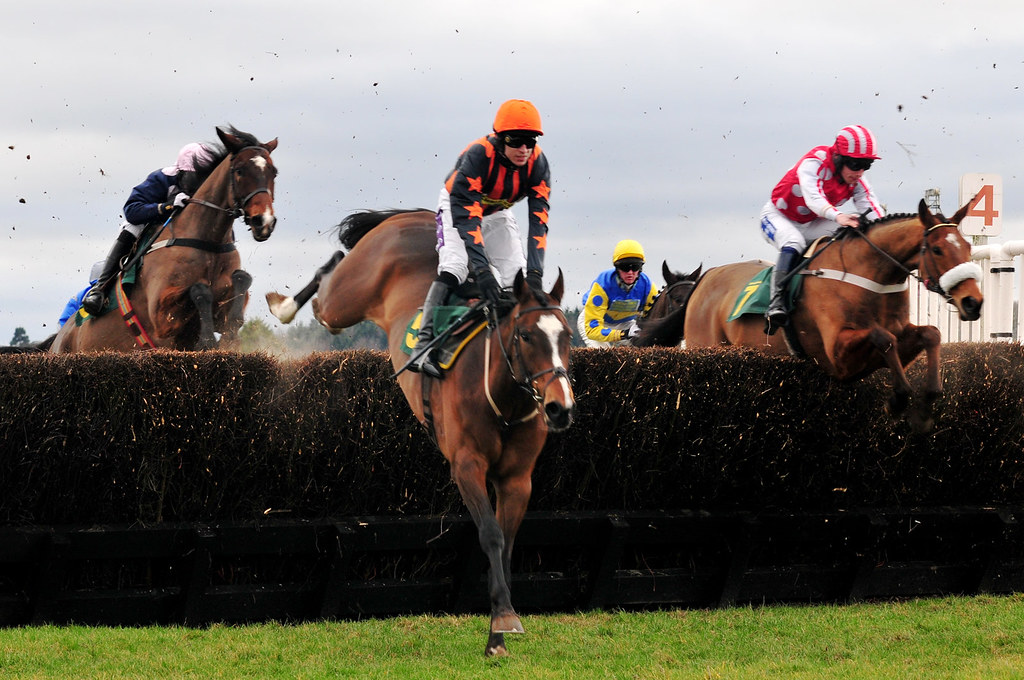
Irish Grand National and Easter Weekend Tips
Key Races, Form Notes and Betting Considerations
This expansion complements the race-by-race selections above with extra context on form, ground, trainers and market strategy for the Easter weekend meetings. It is written for information only and for readers aged 18+, and it encourages responsible gambling at all times.
Why Sea Invasion Appeals at Plumpton Today
Sea Invasion’s profile suggests a nice transition from points and a solid recent Kempton effort into a handicap hurdle where stamina and a steady pace matter, and his Flat-bred family hints at staying power. Backing him on the handicap debut as a 2pt win selection fits a cautious, evidence-based approach rather than an overconfident play.
When assessing similar horses look for clear course or distance suitability, recent headgear or wind-op reports, and whether their Kempton run was on comparable going to today’s race. Always avoid staking beyond what you can afford and treat selections as informed opinions, not certainties.
Assessing Loughglynn’s Chances at Fairyhouse
Loughglynn’s bumper and novice hurdle form gives a strong base, especially having beaten horses that went on to win at a high level, and the drop to 2m4f could sharpen his finishing kick. Willie Mullins’ record with improving types at Fairyhouse means this one is worth an each-way ticket at the quoted price if conditions stay testing.
Check the official going reports and any late rain, as a soundly-raced speed influence from his bumper days can either help or hurt depending on pace and ground. Remember 18+ only and that novelty distances require careful expectations about stamina and pace balance before committing stakes.
Plumpton Double: Aucunrisque and Our Champ Explained
Chris Gordon’s string has targeted these contests and both Aucunrisque and Our Champ bring different selling points — one saved for this mark and one proven at Cheltenham with a recent wind operation. The combination of course form, jockey claims and fitness indicators supports a split stake approach rather than an all-in on either pick.
Consider the advantage of concession claims and weight-for-age allowances when comparing their marks to rivals, and factor in how the early pace might play into Our Champ’s recent Cheltenham form. Keep stakes sensible and separate each selection’s stake to reflect differing confidence levels.
Why Cadatharla Is Attractive in the Novice Chase
Cadatharla’s transition to handicap chases follows pleasing jumping in beginners’ chases and clear hurdle form, and the presence of a soft-ground winner in his pedigree suggests today’s conditions should be acceptable. A 2pt win approach is a measured stance where improvement is anticipated but not guaranteed.
Monitor the market for any significant drift or support which can indicate trainer or stable confidence, and weigh that against pace and potential fallers in a novice chase. As ever, gamble responsibly and never treat a bet as a means to resolve financial pressures.
Evaluating Hartur D’Arc and Favori De Champdou in the Irish National
Both Hartur D’Arc and Favori De Champdou possess traits that appeal for a heavy ground, stamina-demanding contest and their recent profiles show progression or a return from a well-timed absence. In big handicaps like the Irish Grand National, consider experience over fences, jumping reliability and the trainer’s record over marathon trips.
Split stakes across a shortlist and consider small each-way percentages on longer-priced hopefuls while reserving larger stakes for proven staying types at shorter prices. This measured approach reflects the uncertainty innate to big-field handicap chases where luck and jumping still play huge roles.
How to Interpret Recent Form and Ratings
Handicap marks provide the starting point, but context matters: a rise of a few pounds after a clear defeat might still leave a horse well treated if the run was strong in defeat against improving rivals. Compare recent finishing positions, margins, and the quality of the horses beaten rather than relying solely on ratings tables.
Also pay attention to patterns such as consistent finishing efforts, improvement after wind surgery, or trainer comments that signal a peak effort. Always incorporate a sensible staking plan rather than reacting emotionally to market moves.
Choosing Stakes and Managing Bankroll Responsibly
Use a staking plan based on a fixed percentage of a dedicated betting bankroll and avoid chasing losses by staking more than planned. This preserves capital and reduces impulse decisions when a run of bad luck occurs.
Set maximum stakes for individual races and stick to them, and view tips as information to help make choices rather than directives. If gambling stops being enjoyable or causes stress, seek support and consider self-exclusion options with operators.
How Weather and Ground Conditions Affect Runners
Soft or heavy ground tends to favour proven mudlarks and strong-travelling types, while quicker ground suits speedier profiles; check how each selection has handled similar going in the recent season. Trainers often target specific ground types with horses that run their best under those conditions, so use recent seasonal form as a guide.
Also consider forecast changes: rain overnight can alter a race dramatically and late declarations or withdrawals may reshuffle dynamics. Make last-minute checks before placing bets and remember that betting markets adjust quickly to new information.
Understanding Market Movements and Late Support
Significant early money into a selection can reflect inside confidence or a syndicate move, while steady drift may suggest doubts that are worth investigating. Use bookmakers’ odds comparison tools to spot value and to ensure you get the best available price for a chosen selection.
Do not be swayed purely by sentiment; study the reasons behind market moves and follow a consistent staking plan rather than chasing probability illusions. Responsible play means accepting losses as part of betting and managing exposure accordingly.
Key Trainer and Jockey Angles to Watch This Weekend
Stable form and trainer targeting are especially relevant at big meetings, so note any horses declared for single seasonal targets and jockeys who know the course well. A change in rider to one with course or distance experience can be a subtle but meaningful advantage on race day.
Also pay attention to trainer strike rates in similar races and the use of tactical instructions such as front-running or hold-up plans. These factors often decide close finishes and should inform whether you back a selection to win or to place each way.
Bet Types, Each-Way Terms and Suitable Strategies
Each-way betting can extract value in large handicaps where the place terms and field size improve the chance of a return, while small win-only stakes suit short-priced favourites where the win probability is higher. Understand the bookmaker’s place terms and confirm whether they offer fraction-of-the-odds on 1–2–3 or 1–4 places for big fields.
When placing accumulator bets, prefer aligning selections by race shape rather than mixing speculative picks with heavy favourites, and retain a clear cap on the stake. Always treat accumulators as higher-risk ventures and avoid overexposure.
What To Watch Live: In-Running Signals and Race Flow
Early in-running signs such as a horse travelling well through halfway or jumping fluently often translate into improvement over its final stages, and watchers should observe whether a runner is finishing strongly or weakening. Live exchanges and replays can tip whether a horse handles race-day variables like starting stalls, crowd noise and tighter turns.
If a ride goes awry or there are visible signs of distress, be cautious about backing the same stable later in the card without checking the official veterinary updates and stewards’ notes. Betting should remain an informed hobby rather than a high-pressure income route.
Post-Race Analysis: Learning From Winners and Losers
After the races, review finishing sections, sectional times and stewards’ reports to extract lessons on pace, ground and trip suitability that inform future selections. Noticing patterns such as a trainer improving horses after breaks or switching to different types of races helps refine future choices.
Maintain a record of selections, stakes and outcomes to evaluate strategy over time rather than relying on short-term results, and revise staking levels accordingly. This measured approach builds expertise and helps maintain responsible play.
Where to Compare Prices and Shop for Value Offers
Use bookmaker comparison services to check prices and sign-up offers before placing bets, and always confirm terms and conditions for any free bet or enhanced price promotion. Compare not only headline odds but also the finer points like place terms, concession offers and withdrawal procedures.
You can explore current bookmaker offers through our comparison tools if you choose to bet responsibly and are 18 or over. For account security and fairness, prefer regulated UK operators and review their safeguarding and self-exclusion options.
Summary Recommendations and Practical Next Steps
Balance confidence across selections by splitting stakes reflecting differing evidence and by assessing ground, distance and trainer intent for each runner. Use each-way coverage for longer-priced hopefuls in big handicaps and limit win-only stakes to selections with a clear class or form advantage.
Always gamble responsibly, only bet if you are 18 or older and never treat betting as a way to make money or solve problems. If you feel gambling is affecting you, seek help from recognised UK support services and consider using operator safeguards.
Explore our current bookmaker offers and free bets with responsible terms if you want to compare what’s available. If you are also interested in casino promotions, see our list of affiliated casino bonus offers here: Casino bonus offers for new customers.
Frequently Asked Questions
How should I use these tips when betting this weekend?
Use the tips as informed analysis to help make your own decisions, and match any stake level to a pre-defined bankroll plan. Remember to gamble responsibly and that tips are opinions, not guarantees.
Are the odds shown likely to change before race time?
Yes, odds can shift with market money, weather updates or late declarations, so check prices close to your bet placement and compare across bookmakers. Changes are normal and reflect new information.
What is the recommended staking approach for these selections?
Consider fixed-percentage staking from a dedicated betting bankroll and split stakes across different types of bets to reflect confidence levels. Avoid chasing losses and stay within limits you can afford.
How much does ground condition influence each selection?
Ground is a major factor and can favour mudlarks or speedier types depending on the course and race distance; always cross-check a horse’s form on similar going. Trainers’ comments and pedigree notes often confirm suitability.
Should I use each-way bets in large handicaps?
Each-way bets can offer value in big-field handicaps where place terms are generous, particularly for longer-priced runners with a chance of being in the frame. Confirm the bookmaker’s place terms before placing the bet.
What resources should I use to compare prices and offers?
Use regulated bookmaker comparison tools to check odds, free bet offers and place terms, and prefer UK-licensed operators for protection and clear terms. Make sure you are 18+ before opening any accounts.
Where can I get help for problem gambling?
If gambling is causing problems, contact UK support services such as GamCare and consider self-exclusion tools provided by operators. Gambling should always be recreational and within affordable limits.
Can these tips guarantee a return on my bets?
No legitimate tip or strategy can guarantee returns; all horse racing and betting carries risk and outcomes are uncertain. Never stake more than you can afford to lose and avoid viewing betting as a way to make money.