

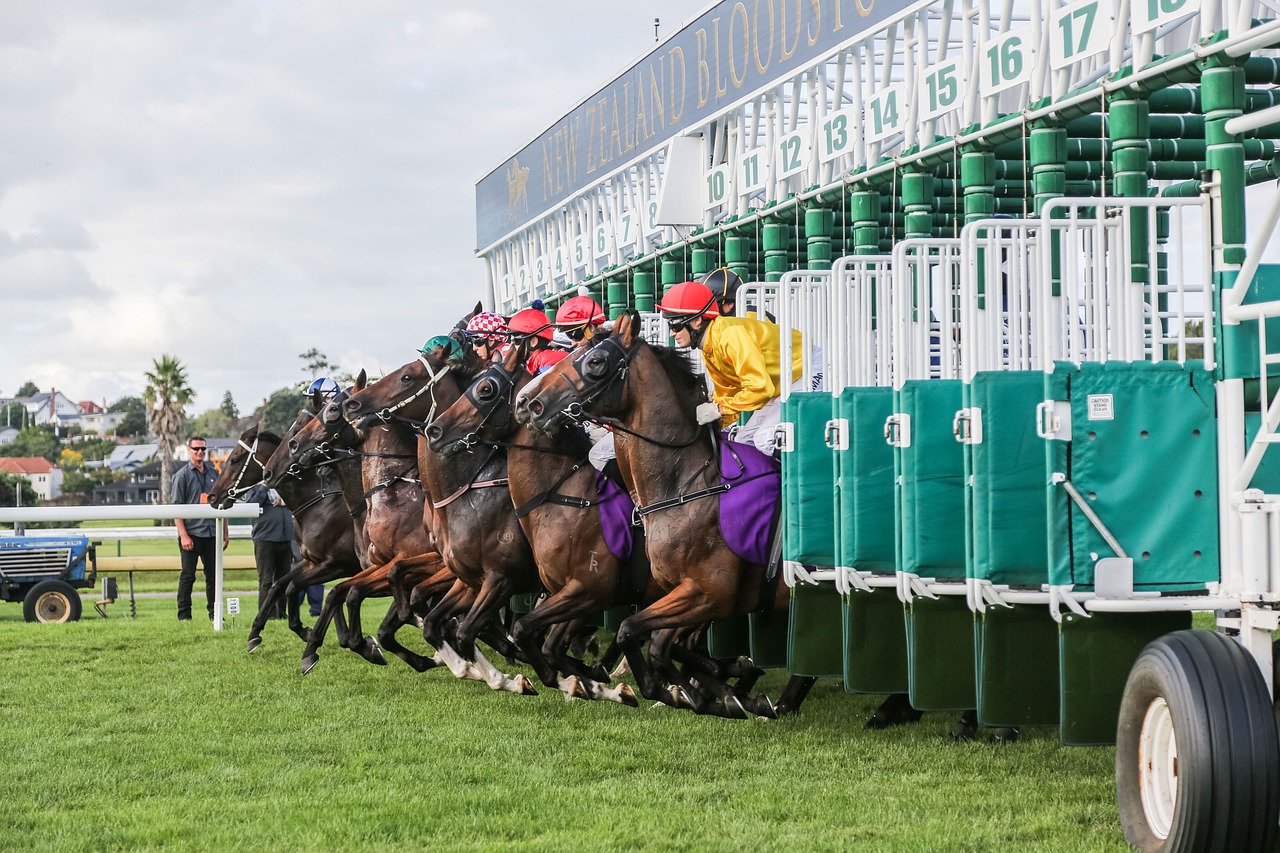
Sun Chariot Day: Expert Ascot and Newmarket Analysis
Form, Market Moves and Stakes for Today’s Races
This supplement builds on the race-by-race selections already published and offers deeper context on formlines, market signals and pragmatic staking for Ascot and Newmarket. The focus is to give readers clear, actionable analysis while keeping betting responsible and age-restricted to 18+ only.
Emaraaty Ana: Form, Draw and Sprint Suitability
Emaraaty Ana’s recent runs show he retains the raw sprinting class to be competitive over five furlongs, particularly when able to use tactical pace to his favour. His return to a straight five and the presence of an experienced trainer and jockey team point to a profile that can exploit a shallow pace or cosy race shape.
Ascot Five-Furlong Trends and Draw Analysis
Ascot’s straight course can favour high draws or those able to latch on to early leaders depending on the wind and track bias; recent cards have shown a subtle advantage for horses away from the stands rail. Emaraaty Ana’s stall two is a factor in the market and can be mitigated by race pace and cover, which is why close attention to the early stalls and intended ride is vital.
Queen Emma: Handicap Progression and Track Notes
Queen Emma arrives off two wins and a close second, showing progressive form in handicaps and an improving temperament that suits longer juvenile fillies’ contests. Her pattern of closing from a bit of a position and then sustaining a run over 1m4f suggests the step up in trip and the booking of a leading rider are meaningful positives.
Saxon Warrior Progeny and Trip Stamina Notes
Saxon Warrior progeny often mature into middle-distance types, and Queen Emma’s pedigree supports the extra mile-and-a-quarter here, especially on a sound surface. When assessing her chance, weigh the impact of ground and draw — a better surface should allow her to travel and deliver her sprint into the closing stages.
Existent: Handicapping, Weight and Each-Way Value
Existent’s decline through the handicap numbers is the primary reason he attracts each-way support at bigger odds, with the official mark now significantly below his earlier useful ratings. His course-and-distance form and a positive partnership with a familiar jockey make him a credible each-way proposition when the market offers expanded place terms.
Why the Current Handicap Mark Helps Existent
When a horse drops appreciably in the handicap it can indicate latent ability relative to the field, especially if recent runs show fitness and minor excuses rather than clear regression. Existent’s last few runs suggest he can exploit the weight relief and race conditions to threaten a place, making an each-way play a sensible risk-managed angle.
Race-by-Race Strategy and Stake Allocation Advice
Adopting a small, structured staking plan reduces volatility across a busy card and helps preserve bankroll discipline for the long term. Allocate units according to confidence levels — for example, back strong selections at 2–3 units, speculative each-way plays at 0.5–1 unit, and avoid overexposure on high-risk propositions.
Suggested Staking: Flat Bankroll and Unit Sizes
Decide on a flat-unit value that fits your personal bankroll and risk tolerance, and express all stakes in multiples of that unit to avoid emotional over-betting. Using a consistent unit makes performance transparent and prevents chasing losses after an unlucky result.
Each-Way Terms and When to Play Each-Way
Each-way betting is valuable when a runner has plausible place claims but shorter win prospects; always check a bookmaker’s place terms before committing to an each-way stake. Target each-way plays where the market shows respect and the horse has course or distance form suggesting it can be in the first three or four.
How To Monitor Markets and Shop For Best Odds
Small differences in starting price can materially affect returns, particularly with each-way bets and large multiples, so always compare prices across regulated UK bookmakers. Use odds-comparison tools and check exchanges for lay/liquid markets; early market moves or significant volume can indicate insider confidence or late declarations affecting race dynamics.
When To Back Early Versus Waiting For SP
Backing early can lock in value if a selection’s price looks short relative to form, while waiting can reveal last-minute market intelligence such as jockey changes or withdrawals. For horses with volatile markets, consider splitting stakes to capture both early value and SP exposure.
Interpreting Trainer and Jockey Indicators
Trainer patterns, stable form and jockey bookings often carry as much predictive weight as raw form; a strong stable with a targeted ride can elevate a horse’s chance beyond headline statistics. Monitor declarations and whether a top jockey is making a specific booking, as those moves frequently alter market perception and race tactics.
What Jockey Bookings Reveal About Intent
A leading jockey choice often signals a trainer’s confidence and planned ride; when a jockey is retained for an obvious front-runner or closer, that tells you how the race might be ridden. Conversely, last-minute bookings or replacements may reflect changing ground or fitness concerns and should be noted before staking.
Course Conditions and Their Tactical Impact
Good to firm versus good to soft can change the complexion of a race, rewarding horses with recent form on similar going while disadvantaging others who need true ground. Always check weather and going reports pre-race and consider how this interacts with the horse’s running style and previous performances.
Practical Tips for Multi-Race Cards and Accumulators
Accumulators offer attractive returns but multiply risk, so keep accumulators small and avoid combining too many speculative legs. If you do build a multi-leg bet, favour selections with solid each-way prospects and avoid doubling down on horses from the same trainer in high-variance races unless there is clear form justification.
Responsible Gambling: Limits, Time-Outs and Support
Betting should be undertaken for entertainment by adults aged 18 and over and must never be viewed as a way to solve financial problems or guarantee income. Set deposit, stake and time limits with your bookmaker, and use self-exclusion or time-out tools if gambling ever feels less enjoyable or begins to cause stress.
Practical Bankroll Rules and Session Limits
Decide in advance the maximum you will risk in a single session and adhere to it, separating entertainment funds from essential living money. Regularly review your betting activity and seek help from support services if you notice signs of harm or loss of control.
Where To Get Help and Confidential Support
If you believe your gambling is causing harm, contact UK-based support organisations such as GamCare or use your bookmaker’s responsible gambling help resources. These services offer confidential advice, tools for control and pathways to self-exclusion where needed.
Post-Race Review: What To Learn From The Day
After the card, examine whether race tactics, ground or late market moves justified outcomes and update your notes on trainers, jockeys and horses accordingly. Keeping a short diary of selections, stakes and reasoning improves future decisions and helps identify systemic edge or recurring mistakes.
Frequently Asked Questions About Today’s Races
How should I size stakes for short-priced favourites today?
Maintain a small, consistent stake for short-priced favourites to protect bankroll and reduce variance, and avoid over-backing because of perceived certainty. Consider scaled units where shorter-priced selections receive lower unit multiples than longer-priced punts.
What are sensible each-way choices on a busy Ascot card?
Sensible each-way choices are horses with clear course or distance form and recent fitness evidence, priced big enough to offer value for a place return. Confirm place terms and compare with other bookmakers before committing funds.
When is it best to hedge or cash-out a bet?
Hedging can protect profits or limit losses when a live position looks vulnerable, but cash-outs often come at a price and should be used sparingly. Consider hedging when a substantial guaranteed return preserves bankroll and when market movement suggests an unfavourable late change.
How do ground conditions affect stamina-heavy fillies like Queen Emma?
Softer ground can blunt pace and favour stayers, which may hinder horses that rely on turn-of-foot; Queen Emma prefers a better surface to exploit her finishing burst. Check going for changes and how her recent wins were achieved to gauge suitability.
Are each-way bets always the safer option for outsiders?
Each-way bets provide a middle ground by paying out for places, but they still carry risk and are not inherently “safer” if place terms are tight or the race is small. Use each-way when the market and form genuinely indicate a realistic place chance.
How should I use bookmaker promotions when betting today?
Promotions can add value when used responsibly; always read terms and restrict stakes to what you would otherwise afford. Do not chase offers beyond your planned bankroll and treat promotions as secondary to sound staking principles.
What steps can I take if betting stops being enjoyable or feels problematic?
If gambling becomes stressful or impacts daily life, seek help immediately from organisations such as GamCare and use bookmaker self-exclusion tools. Set firm limits, discuss concerns with trusted individuals, and consider a temporary break from all gambling activity.
You can explore current bookmaker offers and compare free bets responsibly on our bookmaker offers page at https://www.bestofbets.com/free-bets. For players interested in casino bonuses, you can view available new-customer offers on our casino bonuses page at https://www.bestofbets.com/casino-bonus.